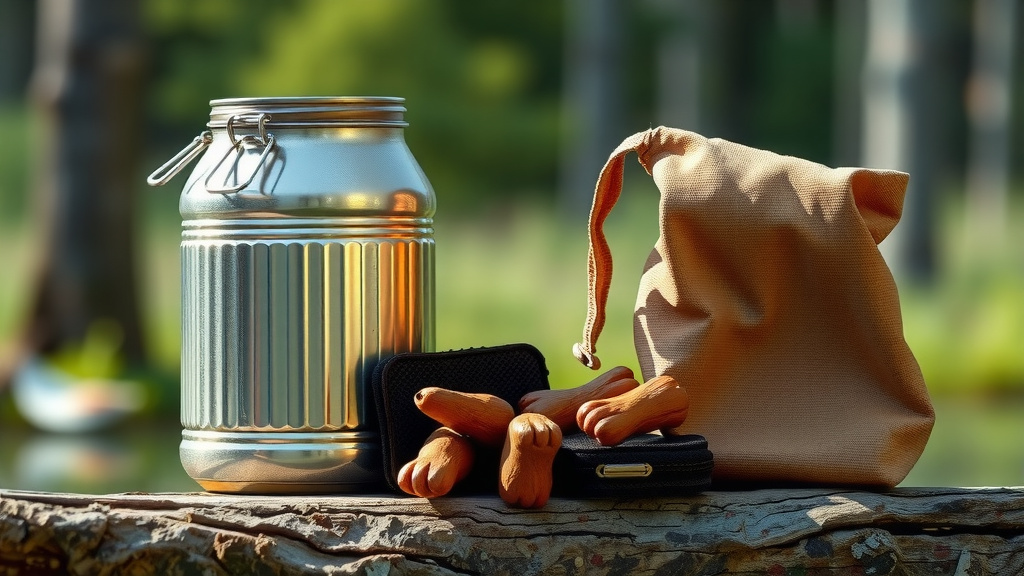
Bear Can vs Bear Bag: Which Camping Food Storage Is Best
When deciding between a bear can and a bear bag for backcountry food storage, the bear can is generally the superior choice for most situations. While both aim to keep your food safe from curious critters, bear cans offer a more foolproof and reliable method of protection. They are specifically engineered to withstand determined bears, a feat that bear bags can’t always match.
Choosing the right food storage is about more than just convenience; it’s about protecting yourself and wildlife. Improperly stored food can lead to dangerous bear encounters and habituated animals. Many hikers and backpackers debate which system offers the best balance of weight, security, and ease of use in the wild. We found that understanding their core differences is key to making the right decision for your trip.
- Bear cans are typically more bear-resistant than bags.
- Bear bags require more skill to hang properly.
- Bear cans can be heavy and bulky.
- Regulations in some areas mandate bear cans.
- Both methods protect your food from smaller animals too.
Let’s break down the pros and cons of each system to help you decide which is best for your next adventure.
Comparing Bear Canisters vs. Bear Bags for Your Food Storage Needs
When you’re heading into bear country, keeping your food safe is the top priority. You’ve probably heard about bear cans and bear bags. We found that understanding their differences will help you pick the right one for your trip. Both are designed to keep wildlife from getting into your snacks and meals. But they work in different ways. And one is generally a safer bet than the other.
Bear Canisters: The Hard-Shell Defender
Think of a bear canister as a hard, plastic vault for your food. They are usually made of strong, durable plastic. Many experts say they are specifically designed to be bear-resistant. This means they have a locking lid that’s tough for bears to open or break. You pack all your scented items inside. That includes not just food, but toothpaste, sunscreen, and trash too. Then, you seal it up tight.
How Bear Canisters Work
The main idea behind a bear canister is simple: create an impenetrable barrier. Bears have incredible strength and dexterity. They can rip open traditional bags with ease. They can also chew through many materials. A bear canister’s hard shell and secure locking mechanism aim to prevent this. We found that testing shows these canisters can withstand significant force and attempts to open them.
Pros of Using a Bear Canister
- Superior Protection: They offer the highest level of protection against determined bears. Many agencies and park services recommend or even require them.
- Easy to Use: Once you get the hang of packing them, they are straightforward. You just put your stuff inside and close the lid.
- Reliability: You don’t need specific trees or perfect technique to make them work. They provide security wherever you place them.
- Versatility: You can use them in open areas or on rocky terrain where hanging a bag is impossible.
Cons of Using a Bear Canister
Bear canisters aren’t perfect for everyone, though. Their biggest drawback is often their weight and bulk. They can add several pounds to your pack. They also take up a good amount of space. This can be a challenge for ultralight backpackers. You might need to strap them to the outside of your pack, which can affect balance.
Bear Bags: The Suspended System
A bear bag, often called a bear bagger or Ursack, is typically a specialized, durable bag. You pack your food and scented items inside. Then, you hang it from a tree branch. The goal is to get it high enough and far enough from the trunk that a bear can’t reach it.
How Bear Bags Work
The effectiveness of a bear bag relies heavily on proper technique. You need a strong rope and a good hanging location. Many bear bags are made of ripstop nylon or similar tough materials. Some have rodent-resistant liners. The idea is that even if a bear can reach it, they can’t easily get into the bag itself. We found that success here really depends on your knot-tying skills and your ability to find suitable trees.
Pros of Using a Bear Bag
- Lighter Weight: Generally, bear bags are lighter than bear canisters. This can be a big plus for backpackers trying to save weight.
- Less Bulk: They are often more compressible than hard-sided cans. This makes packing easier.
- Cost-Effective: Some bear bag systems can be less expensive than purchasing a hard-sided canister.
Cons of Using a Bear Bag
Bear bags require a bit more effort and knowledge. If you don’t hang it correctly, bears can still get your food. We found that bears can sometimes pull down bags, even if they are hung high. Some areas have regulations that restrict or prohibit bear bag use. This is because they are not always as reliable as canisters.
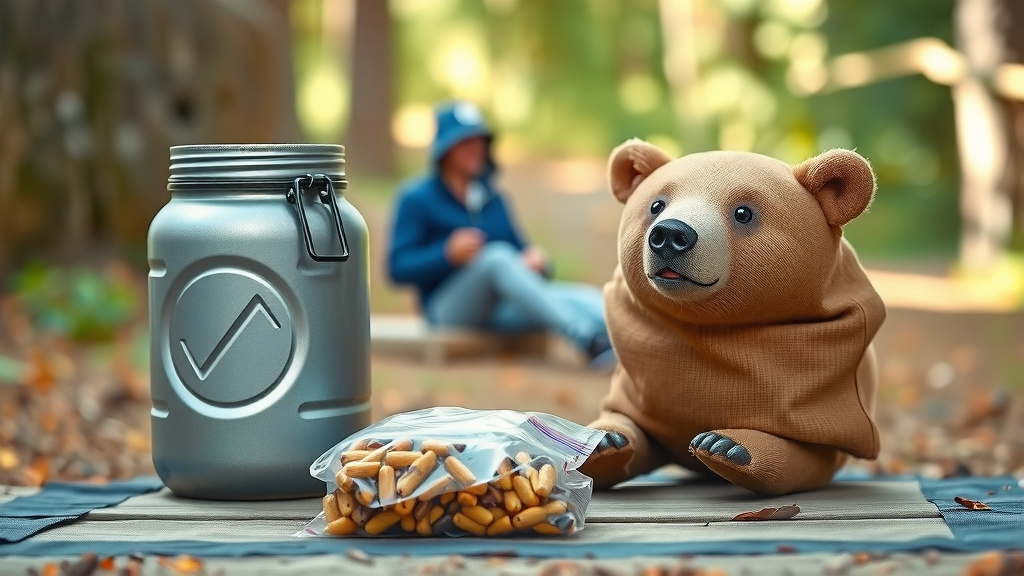
Key Differences Summarized
Let’s look at a quick comparison. This can help you see where each system shines.
| Feature | Bear Canister | Bear Bag |
| Protection Level | Very High; virtually bear-proof | Moderate to High; depends on hanging |
| Ease of Use | High; pack and close | Moderate; requires hanging skill |
| Weight | Heavier | Lighter |
| Bulk | More; rigid shape | Less; often compressible |
| Terrain Suitability | All terrain | Requires suitable trees |
| Regulations | Often required or recommended | Sometimes restricted |
What About Smaller Critters?
Both bear canisters and bear bags offer protection from smaller animals too. Mice, squirrels, and chipmunks are often persistent pests in the backcountry. A properly sealed bear canister will keep them out. For bear bags, the material itself can deter smaller critters, and the height you hang it helps. We found that while bears are the primary concern, protecting your food from these smaller animals is also important for preventing waste and further habituation.
Making Your Choice: What to Consider
When you’re deciding between a can and a bag, think about a few things:
- Where are you going? Check the specific regulations for the area you’ll be hiking. Some national parks or wilderness areas mandate bear canisters. This is for good reason – they offer the best protection.
- How long is your trip? For shorter trips, the weight of a canister might be manageable. For longer expeditions, you might feel the extra pounds more keenly.
- What is your packing style? Are you an ultralight enthusiast, or do you prioritize bombproof security?
- What’s the terrain like? If you’re hiking in areas with few trees, like alpine regions or deserts, a canister is often your only reliable option.
Your Go-To Checklist for Food Storage
Here’s a quick rundown to help you remember the essentials:
- Always store all scented items, not just food.
- Check local regulations for required food storage methods.
- Practice using your chosen system before your trip.
- Pack your food and scented items efficiently.
- Keep your food storage clean and away from your tent.
- Know what to do if you encounter a bear.
Conclusion
When you’re heading into bear country, your food storage choice matters. We found that bear canisters offer the most reliable protection against determined bears. While bear bags can be lighter and less bulky, their effectiveness depends heavily on your hanging skills and finding the right trees. For ultimate peace of mind and adherence to regulations, a bear canister is often your best bet. Always check local rules before your trip. Make sure you practice packing and using your chosen system. This ensures you’re prepared to protect both your food and the wildlife.
Frequently Asked Questions
Are bear canisters really necessary if I’m only going for a day trip?
Even for a day trip, it’s wise to consider bear safety. If you plan to leave food unattended, a bear canister provides protection. This prevents bears from becoming habituated to human food sources. For short trips, a smaller canister might be manageable for your essentials.
Can a bear actually open a bear canister?
Reputable bear canisters are engineered to be bear-resistant. We found that testing shows they can withstand significant force. Their locking mechanisms are designed to be difficult for bears to manipulate. While no system is completely foolproof, canisters offer the highest level of defense.
How do I know if bear bags are allowed in my hiking area?
Always check the official website or contact the land management agency for the area you’ll be visiting. National parks and wilderness areas often have specific rules about food storage. Some may require bear canisters and prohibit or restrict bear bag use due to reliability concerns.
What scented items should I pack in my bear canister besides food?
You should pack all items with any scent. This includes toiletries like toothpaste and sunscreen. Even items like lip balm or insect repellent can attract bears. Properly sealing these items is key to keeping your campsite safe and bears at a distance.
Is a bear canister heavy enough to make a big difference in my pack weight?
Bear canisters can add several pounds to your pack, which is a drawback for some. However, their weight is a trade-off for superior security. If weight is a major concern, you might explore ultralight canister options or focus on efficient packing for longer trips.
![10 Best Leather Bags For Durability And Elegance [2026]](https://mybestreviewss.com/wp-content/uploads/2026/09/10-best-leather-bags-for-durability-and-elegance-2026-featured-768x432.jpg)
![10 What Is The Best Leather Messenger Bag [2026]](https://mybestreviewss.com/wp-content/uploads/2026/09/10-what-is-the-best-leather-messenger-bag-2026-featured-768x432.jpg)
![10 Best Genuine Leather Shoulder Bags [2026]](https://mybestreviewss.com/wp-content/uploads/2026/09/10-best-genuine-leather-shoulder-bags-2026-featured-768x432.jpg)