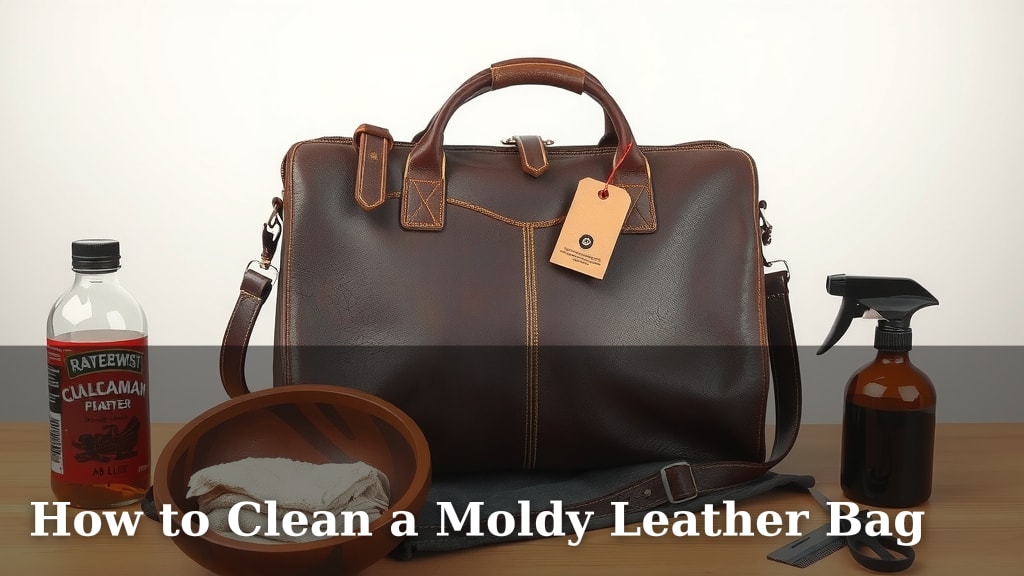
How to Clean a Moldy Leather Bag
The easiest way to clean a moldy leather bag is to gently wipe it down with a solution of equal parts water and rubbing alcohol. This common household item is effective at killing mold spores without damaging most leather types. Always test a small, inconspicuous area first to ensure it doesn’t discolor your bag. You can also use mild soap and water for less stubborn mold.
Mold can be a real nuisance on your favorite leather goods. If left untreated, mold can not only look unsightly but also cause permanent damage to the leather’s texture and strength. Many experts recommend acting quickly to prevent it from spreading. Don’t worry, though; most mold issues on leather bags are completely fixable with the right approach and a little patience.
- Use a 50/50 mix of water and rubbing alcohol.
- Test on a hidden spot first.
- Wipe gently, don’t scrub.
- Condition the leather afterward.
- Let it air dry completely.
Let’s get your beloved leather bag looking and feeling fresh again, mold-free! Below, we’ll guide you through the steps to tackle this problem safely and effectively.
Mold on a leather bag can feel like a disaster. That fuzzy green or black patch is more than just an eyesore. It can actually eat away at the leather’s fibers. But before you panic and toss your beloved bag, take a deep breath. You can likely save it. Many leather care professionals agree that prompt action is key. The good news is, with a few simple steps and common household items, you can often restore your bag to its former glory.
Tackling Leather Bag Mold: A Step-by-Step Guide
Getting rid of mold requires a gentle touch and the right materials. We want to kill the mold without harming your bag’s beautiful finish. Think of it like giving your bag a spa treatment. A little care goes a long way here.
Step 1: Prepare Your Workspace and Gather Supplies
First things first, find a well-ventilated area. Open a window or step outside if possible. Mold spores can become airborne, and you don’t want them spreading around your home. Gather your supplies before you begin. This makes the process much smoother.
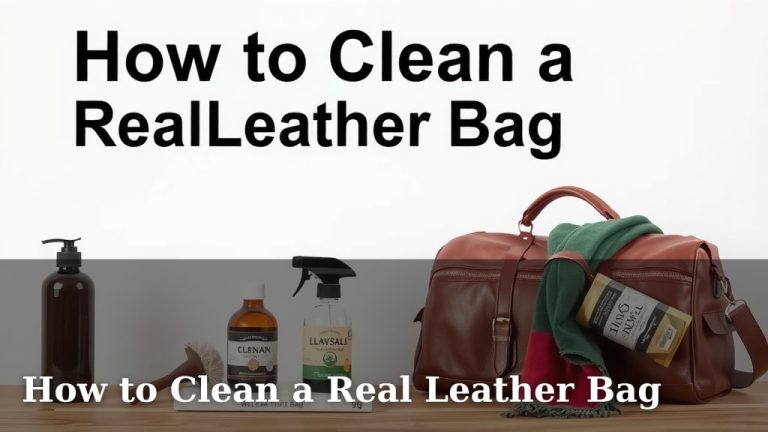
Essential Supplies You’ll Need:
- Rubbing alcohol (isopropyl alcohol)
- Distilled water
- Two clean, soft cloths (microfiber works well)
- A small bowl or container
- A soft brush or old toothbrush (optional, for textured leather)
- Leather conditioner
Step 2: Test the Cleaning Solution
This is a critical step you shouldn’t skip. Not all leather reacts the same way to cleaning agents. Before applying anything to the main part of your bag, test your cleaning solution on an inconspicuous area. The inside of a pocket flap or the very bottom of the bag works well. Apply a small amount of your chosen solution to this hidden spot with a cotton swab. Let it dry completely. Check for any discoloration, staining, or damage to the leather’s texture. If you see any adverse effects, you may need to try a different approach or consult a professional leather cleaner.
Step 3: Gently Wipe Away the Mold
Once you’ve confirmed your solution is safe, it’s time to clean the mold. You’ll want to be very gentle here. The goal is to lift the mold, not scrub it deeper into the leather.
The Alcohol and Water Method:
Mix equal parts rubbing alcohol and distilled water in your small bowl. So, if you use 1/4 cup of alcohol, add 1/4 cup of water. Dip one of your clean cloths into the solution. Wring it out well so it’s damp, not dripping wet. Gently wipe the moldy areas. Work in small sections. Don’t scrub aggressively. For textured leather, a soft brush or an old toothbrush can help get into crevices, but again, be very gentle. As you wipe, you should see the mold coming off onto the cloth. Switch to a clean part of the cloth or a new cloth as it becomes soiled with mold.
What If the Mold Is Stubborn?
If the alcohol solution isn’t completely removing the mold, or if you’re concerned about using alcohol on your specific leather type, you can try a mild soap and water solution. Use a very mild, pH-neutral soap (like a tiny drop of dish soap or a specialized leather cleaner). Mix it with distilled water. Use the same damp-cloth technique. Remember, less is more with soap. You don’t want to saturate the leather.
Many experts recommend avoiding harsh chemicals, bleach, or abrasive cleaners. These can strip the leather of its natural oils and cause permanent damage. The CDC also notes that proper ventilation is important when dealing with mold to prevent respiratory issues (CDC).
Step 4: Let Your Bag Air Dry Completely
After wiping away the mold, let your bag air dry naturally. Do not use a hairdryer, place it near a heater, or leave it in direct sunlight. Heat can dry out and crack the leather. Humidity can encourage mold growth. Find a cool, dry place with good air circulation. Stuff the bag loosely with plain paper (not newspaper, as the ink can transfer) to help it keep its shape while it dries. This drying process can take several hours, or even overnight, depending on humidity levels. Patience is key here.
Step 5: Condition Your Leather Bag
Cleaning, especially with alcohol, can strip the leather of its natural oils. Once your bag is completely dry, it’s essential to replenish these oils. This step helps keep the leather supple and prevents it from drying out and cracking. Use a good quality leather conditioner. Apply a small amount to a clean, soft cloth. Gently rub it into the leather in a circular motion. Cover the entire bag, paying attention to areas that were moldy. Let the conditioner absorb for a few minutes, then buff off any excess with another clean, dry cloth.
We found that regular conditioning makes leather more resistant to future mold growth. Think of it as adding a protective layer.
Step 6: Prevent Future Mold Growth
Now that your bag is mold-free, you’ll want to keep it that way. Mold thrives in damp, dark environments. Preventing mold is much easier than removing it.
Tips for Mold Prevention:
- Store Properly: Always store your leather bag in a cool, dry place. Avoid humid basements or garages.
- Use Dust Bags: Keep your bag in its original dust bag or a breathable fabric bag. This allows air circulation while protecting it from dust.
- Avoid Overcrowding: Don’t cram your bag into a closet with other items. Give it some breathing room.
- Wipe Down Regularly: If you live in a humid climate, or after exposure to moisture, gently wipe your bag down with a dry cloth.
- Condition Periodically: Regular conditioning, every 3-6 months, helps maintain the leather’s health and natural resistance.
If you notice any dampness, always dry your bag thoroughly before storing it. Many sources, like the National Park Service, emphasize that controlling humidity is crucial for preventing mold and mildew on any material, including leather (National Park Service).
| Step | Action | Notes |
|---|---|---|
| 1 | Ventilate | Work in a well-aired space. |
| 2 | Test Solution | Always test on an hidden spot first. |
| 3 | Wipe Gently | Use a damp cloth; don’t scrub. |
| 4 | Air Dry | Let it dry naturally, no heat. |
| 5 | Condition | Replenish oils after drying. |
| 6 | Store Smart | Keep in a dry, cool location. |
Conclusion
Dealing with mold on your leather bag might seem daunting, but you’ve learned it’s manageable with care. Remember, the key is a gentle approach using common household items like a rubbing alcohol and water mix. Always test first and let your bag air dry completely to avoid damage. Conditioning afterward is a vital step for restoring its suppleness. Now, you’re equipped to tackle mold and keep your leather looking its best. Your next step is to grab your supplies and give your bag the attention it deserves to restore it to its former glory!
Frequently Asked Questions
How often should I condition my leather bag after cleaning mold?
After successfully cleaning mold and letting the bag dry, you should condition it immediately. For general maintenance, plan to condition your leather bag every 3-6 months, or more often if you live in a dry climate or use the bag frequently. This keeps the leather healthy and less susceptible to future issues.
Can I use vinegar to clean mold off my leather bag?
While vinegar is a natural mold killer, it’s generally not recommended for leather. The acidity in vinegar can be too harsh and may lead to discoloration or damage the leather’s finish. Sticking to the rubbing alcohol and water solution is a safer bet for most leather types.
What if the mold has left permanent stains on my leather bag?
Sometimes, mold can leave behind faint stains even after cleaning. In many cases, these can be lightened with repeated, gentle conditioning over time. For very stubborn stains, you might need to consult a professional leather repair specialist who has access to specialized cleaning agents.
Is it safe to use mold-killing sprays on my leather bag?
It’s best to avoid commercial mold-killing sprays unless they are specifically formulated for leather. Many general-purpose mold removers contain harsh chemicals that can strip the leather’s natural oils, cause discoloration, or make the material brittle.
How can I tell if the mold is gone completely?
After cleaning and drying, visually inspect the bag thoroughly in good lighting. Look for any remaining fuzzy or discolored patches. If you can’t see any signs of mold and the area feels normal to the touch, it’s likely gone. A final conditioning step also helps protect the cleaned area.