
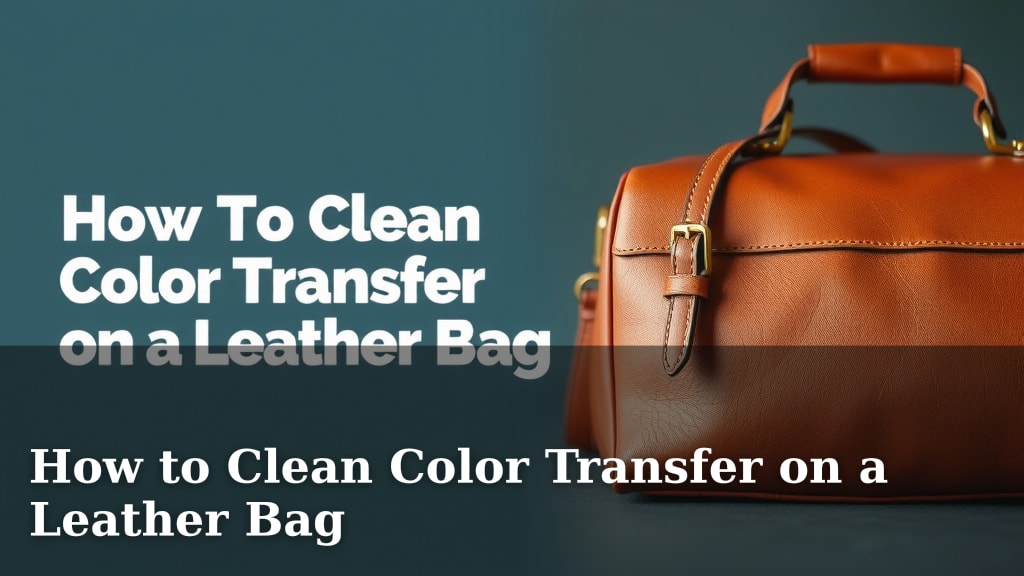
How to Clean Color Transfer on a Leather Bag
The easiest way to clean color transfer on a leather bag is by using a gentle saddle soap or a dedicated leather cleaner. Many people worry about damaging their beautiful bags, but with the right approach, you can effectively remove those unwanted marks. You’ll want to act quickly to prevent the dye from setting permanently into the leather. We’ll show you how to tackle this common problem.
Color transfer, often from dark denim or brightly colored accessories, can be a real headache for leather bag owners. It happens when dyes from one material rub off onto another. Thankfully, most transfers aren’t permanent if treated properly. We’ve found that consistent, gentle cleaning is key to restoring your bag’s original look without causing harm to the delicate leather material.
- Act fast to remove color transfer.
- Use saddle soap or a leather cleaner.
- Test any cleaning product in an inconspicuous spot first.
- Be gentle to avoid damaging the leather.
- Consider a leather protector after cleaning.
Below, we’ll walk you through the simple steps to safely remove color transfer from your favorite leather bag.
Tackling Color Transfer Stains on Your Leather Bag
When a bit of dye from your favorite jeans or a colorful scarf decides to make an unwanted home on your leather bag, it can be a little disheartening. You might be wondering if that vibrant mark is there to stay. The good news is, most color transfer isn’t a permanent resident. With the right approach, you can often restore your bag to its former glory. We’ve found that gentle methods and quick action are your best allies here.
Understanding Color Transfer on Leather
Color transfer, sometimes called dye transfer, happens when loose dyes from one item rub off onto another. This is common with porous materials like leather. Dark denim is a frequent culprit, but colorful accessories, printing on clothing, or even some packaging can leave their mark. The dye penetrates the surface of the leather. The longer it sits, the harder it can be to remove.
Why Does Color Transfer Happen?
Several factors can contribute to color transfer. New or poorly dyed fabrics tend to bleed more. Moisture is also a big factor; when leather gets wet, its pores open up, making it more susceptible to absorbing dyes. Friction plays a role too. Constant rubbing between your bag and a colorful item can create the perfect storm for dye transfer. You might notice it more on lighter-colored bags, as the contrast is usually starker.
The Importance of Acting Quickly
We can’t stress this enough: act fast! The longer a dye stain sits on your leather, the deeper it can penetrate. Think of it like spilling red wine on a white carpet; the sooner you blot it, the better your chances of avoiding a permanent stain. For color transfer, this means addressing it as soon as you notice it. This significantly increases your odds of a successful cleanup.
Gathering Your Cleaning Supplies
Before you dive in, let’s make sure you have everything you need. You don’t want to start and then realize you’re missing a key item. Having the right tools can make the process smoother and safer for your bag.
Essential Cleaning Products
The primary tools for this job are gentle and designed for leather care. We recommend having these on hand:
- Mild soap or saddle soap: A good quality saddle soap is specifically designed for cleaning and conditioning leather. Look for one that is pH-balanced.
- Dedicated leather cleaner: Many brands offer cleaners formulated for color transfer or general stain removal on leather. These are often a safe bet.
- Soft, clean cloths: You’ll need a few! Microfiber cloths are excellent because they are absorbent and won’t scratch the leather.
- Cotton swabs or balls: Useful for targeted application and detailing.
What to Avoid
Some common household cleaners might seem like a quick fix, but they can do more harm than good. Harsh chemicals, abrasive scrubbers, or even excessive water can strip the leather’s natural oils, leading to dryness, cracking, or discoloration. Stay away from things like nail polish remover, harsh detergents, or alcohol-based products unless specifically recommended by the bag’s manufacturer for a particular issue.

Step-by-Step Guide to Removing Color Transfer
Now, let’s get down to business. Remember, patience and a gentle touch are key. You’re aiming to lift the dye, not scrub it deeper into the leather.
Step 1: The Spot Test
This is non-negotiable! Before applying any cleaning solution to the visible stain, always perform a spot test. Find an inconspicuous area on your bag, like the underside of a flap or a seam allowance. Apply a small amount of your chosen cleaner to this hidden spot. Let it sit for a few minutes, then wipe it clean and let it dry completely. Check for any adverse reactions, such as discoloration or damage. If the spot test is successful, you can proceed.
Step 2: Gentle Application of Cleaner
Dampen a clean, soft cloth slightly with your chosen cleaner (saddle soap or leather cleaner). You don’t want it dripping wet. Gently dab or wipe the stained area. Work from the outside of the stain inward. This helps prevent spreading the color further. Don’t scrub aggressively. Think of it as a gentle massage for your leather.
Step 3: Wiping and Rinsing
Use a separate, clean, slightly damp cloth (with plain water) to wipe away any cleaner residue. Again, be gentle. You want to remove the cleaner and the lifted dye. Follow up immediately with a dry, soft cloth to absorb any excess moisture. Allow the area to air dry completely away from direct heat or sunlight.
Step 4: Repeat if Necessary
For stubborn marks, you might need to repeat the cleaning process a few times. It’s better to do multiple light applications than one harsh scrubbing session. Let the leather dry completely between each attempt. You should see the color transfer gradually fading. If you’re not seeing improvement after several attempts, it might be time to consult a professional.
Stubborn Stains and Advanced Techniques
If the basic method isn’t fully effective, some experts suggest trying a leather eraser or a specialized color transfer remover. These products are often formulated to be more potent but still require a careful spot test. Always follow the product’s instructions precisely. We found that many people have success with these targeted solutions.
Aftercare for Your Leather Bag
Once the color transfer is gone, your bag needs a little TLC to keep the leather healthy and protected.
Conditioning the Leather
Cleaning can sometimes strip the natural oils from your leather. Applying a good quality leather conditioner after cleaning is essential. This replenishes the oils, keeping the leather supple and preventing it from drying out or cracking. Use a small amount and buff it gently into the bag. Always condition the entire panel you cleaned, not just the spot, to ensure an even finish.
Protecting Against Future Stains
Prevention is always better than cure! Once your bag is clean and conditioned, consider applying a leather protector spray. These sprays create a barrier on the surface of the leather, making it more resistant to future stains and color transfer. Reapply the protector periodically, as its effectiveness can diminish over time.
Checklist for Color Transfer Removal:
- Gather your supplies: mild soap, leather cleaner, soft cloths.
- Test your cleaner in an hidden spot first.
- Apply cleaner gently with a soft cloth.
- Wipe away residue with a damp cloth.
- Dry thoroughly with a soft, dry cloth.
- Condition the leather after cleaning.
Conclusion
Tackling color transfer on your leather bag doesn’t have to be a daunting task. By acting swiftly and employing gentle cleaning methods, you can effectively remove those unsightly marks. Remember to always perform a spot test before applying any cleaner to the main area. After successful cleaning and drying, conditioning your leather will restore its suppleness and protect it. For lasting peace of mind, consider using a leather protector spray to prevent future dye transfers. Your favorite leather bag can look its best with a little mindful care!
Frequently Asked Questions
Can I use baby wipes to clean color transfer?
Generally, we advise against using baby wipes. They can contain chemicals or alcohol that might dry out or damage the leather’s finish. It’s always best to use products specifically designed for leather care, like saddle soap or a dedicated leather cleaner, ensuring a safer and more effective cleaning process.
How often should I condition my leather bag after cleaning?
After cleaning color transfer, condition your bag as soon as it’s dry. For regular maintenance, conditioning every 3-6 months is usually sufficient, depending on your climate and how often you use the bag. This helps maintain the leather’s natural moisture and flexibility.
What if the color transfer is from a pen mark?
Pen marks on leather are trickier than dye transfer. For fresh ink, some recommend a specialized leather ink remover or a very gentle leather eraser, always testing first. For older or stubborn ink stains, professional cleaning is often the safest route to avoid damaging the leather.
Is it safe to use a magic eraser on leather?
Magic erasers are abrasive and can strip the finish from your leather, leading to discoloration or damage. We do not recommend using them for cleaning color transfer. Stick to soft cloths and gentle, leather-specific cleaners to protect your bag’s surface.
My bag still has a faint mark after cleaning. What should I do?
If a faint mark remains after a few gentle cleaning attempts, you might need to try a specialized color transfer remover product, following its instructions carefully. If you’re hesitant or the mark persists, it’s best to consult a professional leather cleaner to prevent any further damage.

![10 Best Leather Laptop Bags For Women [2026]](https://mybestreviewss.com/wp-content/uploads/2026/08/10-best-leather-laptop-bags-for-women-2026-featured-768x432.jpg)