
How to Clean Oil From a Leather Bag
The quickest way to clean oil from a leather bag is to gently blot the fresh stain with a clean cloth, then apply a natural absorbent like cornstarch or baking soda. Let it sit for a few hours or overnight to soak up the grease. This method works well for most types of leather when done carefully.
Leather bags can be tricky to clean, especially when faced with oily splotches. You want to act fast to prevent the stain from setting in. We found that knowing the right products and techniques can save your favorite bag from looking less than its best. It’s all about being gentle and patient.
- Blot fresh oil stains immediately with a clean cloth.
- Use cornstarch or baking soda to absorb the grease.
- Let the absorbent sit for several hours or overnight.
- Gently brush off the powder and inspect the bag.
Let’s walk through the best ways to tackle those pesky oil stains on your leather bag, step by step.
Tackling Oil Stains on Your Leather Bag
An oil stain on your favorite leather bag can feel like a fashion emergency. But don’t panic! With the right approach, you can often remove these greasy marks. The key is to act fast and use gentle methods. We found that understanding your leather type is also important for success. Let’s get your bag looking good as new.
Understanding Leather and Oil Stains
Leather is a natural material. It can absorb liquids, including oil. When oil hits your bag, it soaks into the pores. The longer it sits, the deeper it penetrates. This makes the stain harder to remove. Some leathers are more delicate than others. Suede and nubuck, for instance, are very porous. Finished leathers, like those with a protective coating, might resist stains better. But even finished leather can absorb oil.
Different Leather Types Require Different Care
Before you start cleaning, try to identify your bag’s leather type. This helps prevent damage. Smooth, finished leather is the most common. It often has a slight sheen. Unfinished leather, like suede or nubuck, has a velvety texture. These types are more sensitive. Always test any cleaning method on an inconspicuous area first. A small spot on the inside flap or bottom edge is ideal.
Why Acting Quickly is So Important
Think of oil stains like water on a paper towel. The longer they sit, the further they spread. Leather is similar. Fresh oil can be blotted away. Once it dries or sets, it becomes much harder to lift. We found that immediate action is your best defense. It dramatically increases your chances of a clean getaway. Don’t wait for a “better time” to deal with it.
Your Go-To Absorbent Powders
For tackling oil stains, nature provides some great tools. Certain powders are fantastic at drawing out grease. They work by absorbing the oil. This process is gentle on the leather. It’s a far better option than harsh chemicals. Many leather care professionals recommend this method.
Cornstarch: The Kitchen’s Stain-Fighting Hero
Cornstarch is a staple in many kitchens. It’s also a superstar for leather stains. Its fine texture allows it to penetrate the leather’s surface. It then soaks up the oily residue. We found this to be one of the most effective and widely available options. You likely already have some at home.
How to Use Cornstarch Effectively
First, make sure the stained area is dry. If the oil is fresh, blot it gently. Don’t rub. Then, generously sprinkle cornstarch directly onto the oil spot. You want to create a thick layer. Let it sit for at least 6-8 hours, or preferably overnight. The longer it sits, the more oil it can absorb. After the time is up, gently brush the cornstarch away. A soft brush or a dry cloth works well.
Baking Soda: Another Powerful Absorber
Baking soda is another common household item. It works much like cornstarch. It’s a natural deodorizer too. This can be a bonus if the oil has left any lingering smell. Many guides suggest baking soda as a primary tool for grease stains. We found it to be equally effective as cornstarch for most situations.
Applying Baking Soda for Best Results
The application is very similar to cornstarch. Ensure the spot is dry. Apply a thick layer of baking soda over the entire oily area. Gently press it down slightly. Let it work its magic for several hours. Overnight is best for stubborn stains. Use a soft brush to remove the baking soda. Check if the stain has lightened. You might need to repeat the process.
Gentle Cleaning and Maintenance Tips
Once you’ve used an absorbent powder, the stain should be much less noticeable. Sometimes, a single treatment is enough. For tougher stains, you might need a few rounds. Patience is key here. We found that repeating the absorbent treatment works better than aggressive scrubbing.
Using a Damp Cloth for Lingering Marks
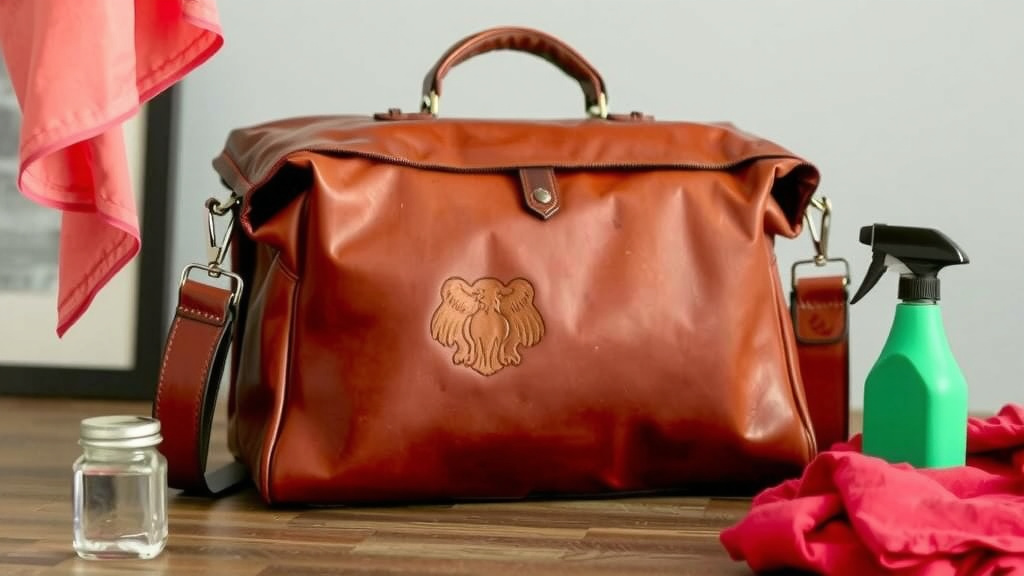
If a faint mark remains after the powder treatment, you can try a damp cloth. Use a clean, white cloth lightly dampened with water. Gently wipe the affected area. Avoid soaking the leather. You don’t want to create a new water stain. Always allow the leather to air dry completely. Never use heat to speed up drying.
Leather Conditioners: The Finishing Touch
After cleaning, your leather might feel a bit dry. This is normal. Cleaning can strip some of its natural oils. Applying a good quality leather conditioner can help. It restores moisture. It also protects the leather. This step is essential for keeping your bag supple. Research suggests regular conditioning prolongs leather life (American Leather Association).
Here’s a quick checklist to help you:
- Act Fast: Blot fresh oil immediately.
- Choose Absorbent: Cornstarch or baking soda are great.
- Apply Generously: Cover the entire stain.
- Be Patient: Let it sit for hours, or overnight.
- Brush Off Gently: Use a soft brush.
- Condition Later: Restore moisture after cleaning.
Conclusion
Tackling oil stains on your leather bag doesn’t have to be stressful. You’ve learned that quick action and the right gentle methods are your best allies. Using common household items like cornstarch or baking soda can effectively lift grease without harming your leather. Remember to always test on a hidden spot first and be patient with the process. Regular conditioning after cleaning will keep your bag looking its best for years to come. So, don’t let an oil stain ruin your day – follow these steps, and you’ll have your bag looking great again.
Frequently Asked Questions
What if the oil stain is old and dried?
For older, dried oil stains, you might need to repeat the absorbent powder treatment. We found that multiple applications, left overnight each time, are often necessary. Gently scraping off some of the dried residue before applying fresh powder can also help.
Can I use baby powder instead of cornstarch or baking soda?
Yes, baby powder can also work as an absorbent in a pinch. It’s made from talc, which can absorb oils. However, cornstarch and baking soda are generally considered more effective for grease. Always ensure the baby powder is pure talc without added scents or colors.
How do I know if my bag is finished or unfinished leather?
Finished leather typically has a smooth surface with a protective coating, often with a slight sheen. Unfinished leather, like suede or nubuck, has a soft, velvety nap and is more absorbent. If you’re unsure, look for a manufacturer’s tag or test a tiny amount of water in an inconspicuous spot; if it beads up, it’s likely finished.
Can rubbing alcohol remove oil stains from leather?
While rubbing alcohol can clean some stains, it’s generally not recommended for oil on leather. It can be too harsh and strip the leather’s natural oils, leading to dryness and potential damage. The absorbent powder method is a much safer choice for oil.
Should I condition my bag after every cleaning?
It’s a good practice to condition your leather bag after any cleaning that might have stripped its natural oils, especially if you used an absorbent powder. Conditioning helps restore moisture, keeping the leather supple and preventing it from cracking. Even without a stain, occasional conditioning is great for maintenance.

![10 Best Leather Paint For Bags [2026]](https://mybestreviewss.com/wp-content/uploads/2026/08/10-best-leather-paint-for-bags-2026-featured-768x432.jpg)
![10 Best Leather Bags For Work [2026]](https://mybestreviewss.com/wp-content/uploads/2026/09/10-best-leather-bags-for-work-2026-featured-768x432.jpg)