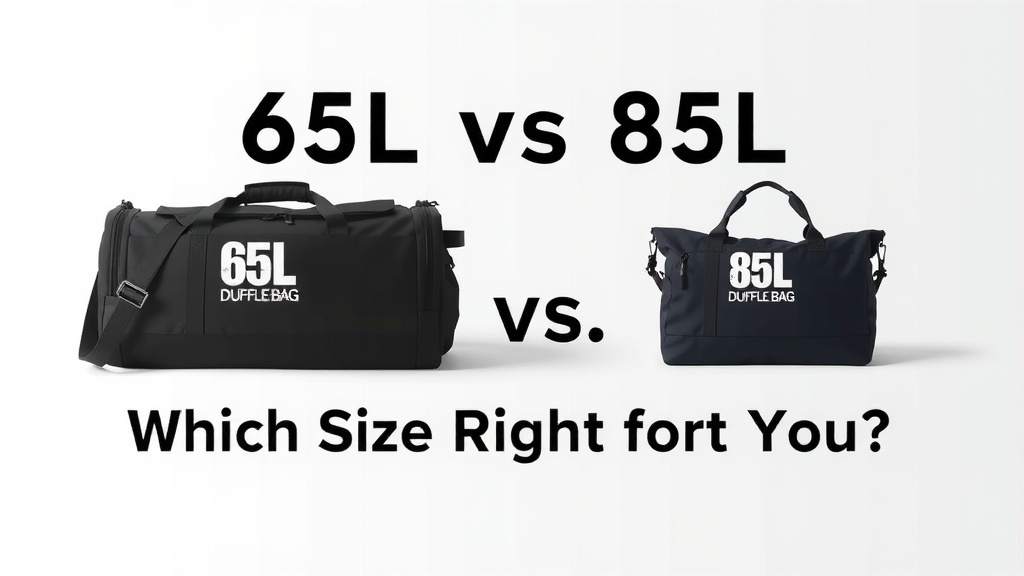
65L vs 85L Duffle Bag: Which Size Is Right for You
Choosing between a 65L and an 85L duffle bag really depends on your packing style and trip length. A 65L bag is great for longer weekend trips or shorter week-long adventures. An 85L bag offers significantly more space for extended travel or if you tend to pack bulky items.
Think of it this way: the extra 20 liters in the 85L bag can mean the difference between squeezing everything in and having room to spare. We found that many travelers prefer the 85L for international trips where they might need more layers or souvenirs. The 65L is a solid all-arounder for domestic travel and shorter getaways.
- 65L is ideal for 3-7 day trips.
- 85L suits trips longer than a week or for bulkier gear.
- Consider your packing habits: minimalist vs. comprehensive packer.
- An 85L bag might be too large as a carry-on.
Ready to figure out which size is your perfect travel companion? Let’s dive into the details of the 65L versus the 85L duffle bag.
“`htmlComparing Duffle Bag Sizes: 65L vs. 85L
So, you’re standing at a crossroads, trying to decide between a 65-liter and an 85-liter duffle bag. It might seem like a small difference, but that extra 20 liters can make a big impact on your travels. Let’s break down which size is the better fit for you.
How Much Can You Actually Fit?
Think of liters as buckets for your stuff. A 65-liter bag is like a medium-sized bucket. An 85-liter bag is a much larger bucket. It’s more than just a few extra inches; it’s a noticeable increase in packing capacity.
The 65L Duffle Bag: Your Go-To for Shorter Trips
A 65-liter duffle bag is a fantastic workhorse. We’ve found it’s often the sweet spot for many travelers. It’s large enough to pack for a good chunk of time but not so big that it becomes a burden.
Perfect for Extended Weekends and Short Weeks
Are you planning a long weekend getaway? Or maybe a week-long trip where you can pack efficiently? A 65L bag is likely your best bet. You can fit clothes, toiletries, and a few extras without feeling like you’re stuffing a sausage casing.
Packing for Different Climates in a 65L
What if your trip involves changing weather? With careful planning, a 65L bag can handle it. You’ll want to focus on layers. Think thin sweaters, moisture-wicking shirts, and a versatile jacket. We found that smart packing cubes are a lifesaver here. They compress your clothes and keep things organized, maximizing the space you have.
The 85L Duffle Bag: For the Serious Traveler or Gear Enthusiast
Now, let’s talk about the 85-liter option. This is for when you need serious space. Imagine needing to pack for longer expeditions or carrying bulkier items. This bag is designed for that kind of load.
Extended Vacations and International Journeys
Planning a trip that stretches beyond a week? Or perhaps an international adventure where you might need more clothing options? The 85L bag gives you that breathing room. You can pack more outfits, bring those extra shoes, or even leave space for souvenirs. We’ve seen many travelers opt for this size for longer international trips where access to laundry might be limited.
Handling Bulky Gear and Hobbies
Do you have a hobby that requires specific gear? Maybe you’re a camper, a skier, or a sports enthusiast. An 85L duffle bag can often accommodate bulky items like sleeping bags, ski boots (if disassembled or soft), or sports equipment. It saves you from needing multiple smaller bags.
The Size Consideration for Airlines
One major factor to consider with an 85L bag is airline restrictions. Most airlines have size and weight limits for checked baggage. While an 85L bag is typically meant for checked luggage, it’s always wise to check with your specific airline. Some oversized bags might incur extra fees. A 65L bag is much more likely to fit within standard checked baggage dimensions.
Key Differences at a Glance
To help you visualize, let’s compare them side-by-side.
| Feature | 65L Duffle Bag | 85L Duffle Bag |
|---|---|---|
| Typical Trip Length | 3-7 days | 7+ days or longer expeditions |
| Best For | Weekend trips, shorter vacations, minimalist packers | Extended travel, international trips, bulky gear, souvenir hunters |
| Airline Carry-on Potential | Sometimes, depending on airline and how full it is | Rarely, almost always a checked bag |
| Packing Style Suitability | Efficient packers, those who prefer fewer items | Those who pack more, bring extra gear, or anticipate needing more |
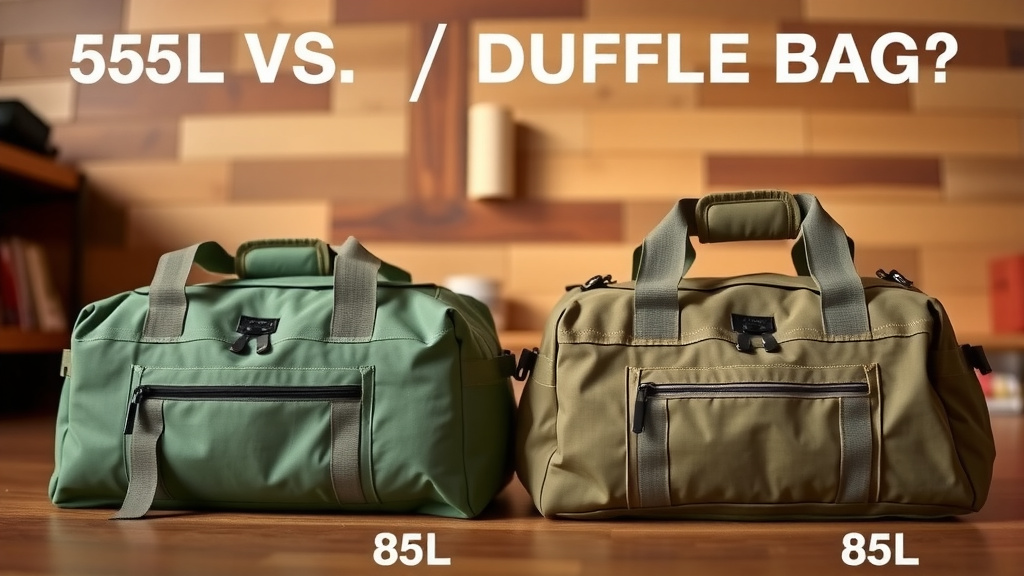
Your Packing Personality Matters
Are you the type of person who meticulously plans every outfit? Or do you prefer to throw in a few essentials and buy what you need? Your packing personality plays a huge role. If you’re a minimalist, a 65L might serve you well even for longer trips. If you like having options and packing for various scenarios, the 85L will likely feel more comfortable.
The Minimalist Packer
If your goal is to pack light and move fast, the 65L bag is probably your best friend. You’ve mastered the art of versatile clothing. A few well-chosen items can be mixed and matched. We found that travelers who pack light often feel more freedom on their journeys.
The “Just in Case” Packer
Do you ever pack something “just in case”? If your answer is yes, then the 85L might be calling your name. This size gives you the confidence to bring those extra sweaters, a secondary pair of shoes, or that emergency kit. It’s about peace of mind and having everything you might need.
Making the Final Decision: A Checklist
Still on the fence? Ask yourself these questions. Checking these off will help you decide:
- How long are your typical trips?
- Do you often travel internationally or domestically?
- Do you pack bulky items like coats or sports gear?
- Are you trying to pack lighter or do you prefer having more options?
- What are your airline’s baggage size restrictions?
- Do you have space to store a larger bag?
We found that considering these points can really clarify which duffle bag size will serve you best. It’s about matching the bag to your adventures, not the other way around.
“`Conclusion
Deciding between a 65L and an 85L duffle bag boils down to your unique travel style and trip demands. If you’re packing for a week or less and prefer to travel light, the 65L offers smart capacity. For longer adventures, international travel, or when bulky gear is a must, the 85L provides that essential extra space. We found that understanding your packing personality—whether minimalist or a ‘just in case’ packer—is key. Take a moment to consider your typical trip length and the types of items you usually bring.
Your next step? Visualize your belongings and imagine them packed. Then, make your choice and get ready for smoother travels!
Frequently Asked Questions
Can an 85L duffle bag be used as a carry-on?
Generally, no. An 85L duffle bag is almost always too large for standard airline carry-on requirements. You should plan to check this size bag to avoid issues at the gate. Always verify your airline’s specific dimensions and weight restrictions before you fly.
How many days worth of clothes can I fit in a 65L bag?
For most travelers, a 65L bag can comfortably hold clothes for about 3 to 7 days. This depends heavily on your packing efficiency and the types of clothing you bring. Using packing cubes and choosing versatile, layerable items will help you maximize space.
Is an 85L bag too heavy to carry comfortably?
An 85L bag can become very heavy when fully packed, especially with dense items like gear or multiple outfits. Many 85L duffles come with shoulder straps or handles designed for easier carrying. However, you might need to consider its weight for longer distances.
What if I’m traveling for exactly one week? Should I get the 65L or 85L?
For a one-week trip, it’s a close call. If you pack efficiently and plan to do laundry, the 65L might suffice. If you prefer options, bring extra shoes, or anticipate needing warmer layers, the 85L offers more breathing room without being excessively large.
Can I fit camping gear in either bag?
It depends on the gear. A 65L bag is likely too small for extensive camping equipment. An 85L bag has a better chance of fitting essential camping items like a sleeping bag and some clothing, though larger tents or specialized equipment might still require separate bags.
![10 Best Leather Messenger Bag Brown [2026]](https://mybestreviewss.com/wp-content/uploads/2026/09/10-best-leather-messenger-bag-brown-2026-featured-768x432.jpg)