How to Get Marks Off a Leather Bag
Getting marks off your leather bag is totally doable! You can often remove common blemishes by gently cleaning the affected area with a damp cloth and a mild soap, like a bit of diluted dish soap or a specialized leather cleaner. For tougher marks, a leather eraser or even a white pencil eraser can work wonders on certain types of leather. Always test any cleaning method on an inconspicuous spot first to ensure it doesn’t damage your bag’s finish.
Leather bags can pick up all sorts of marks, from ink and grease to simple scuffs. The best method often depends on the type of stain and the finish of your leather. Understanding your bag’s material, whether it’s finished, unfinished, or suede, is key to avoiding damage. We’ve found that a gentle touch and the right products make all the difference when trying to restore your bag’s pristine look.
- Gently clean marks with a damp cloth and mild soap.
- Use a leather eraser for tougher stains.
- Always test cleaning methods first.
- Know your leather type for best results.
- Act quickly to prevent stains from setting.
Ready to say goodbye to those unsightly marks? Let’s walk through the most effective ways to get them off your beloved leather bag.
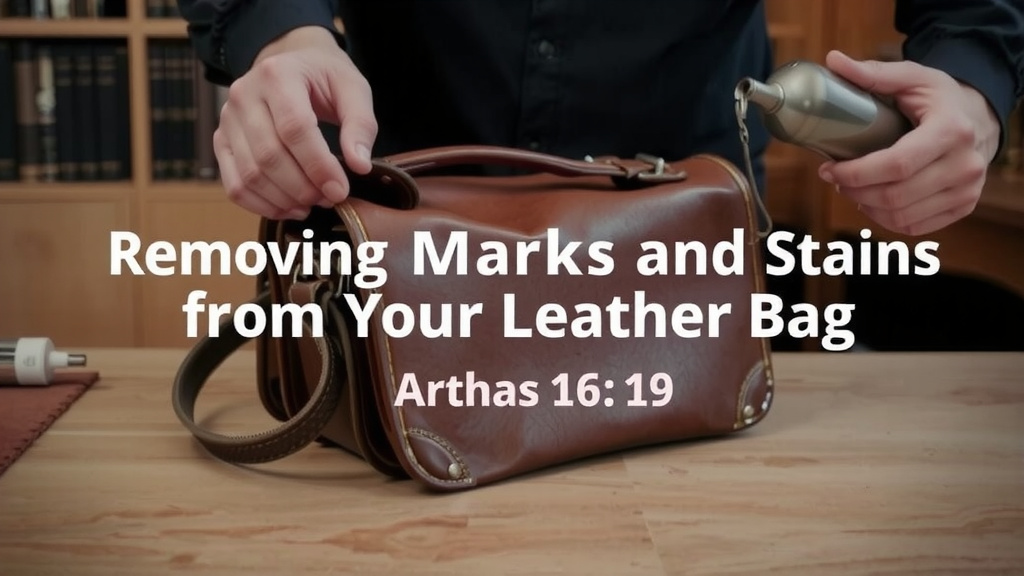
Removing Marks and Stains from Your Leather Bag
Your favorite leather bag is a statement piece. Unfortunately, it’s also a magnet for scuffs, ink, and other marks. Don’t despair! Many common blemishes can be gently removed. The key is to act fast and use the right method for your bag’s specific leather type. We found that a little patience goes a long way in restoring its original beauty.
Understanding Your Leather Type Matters
Before you grab any cleaner, it’s vital to know what kind of leather you’re dealing with. Different finishes react differently to cleaning agents. Treating unfinished leather like finished leather can cause permanent damage. We’ve learned that identifying your bag’s material is the first step to successful stain removal.
Finished vs. Unfinished Leather
Finished leather, often called protected leather, has a protective coating. This makes it more resistant to stains and easier to clean. You can usually identify it by its uniform color and slight sheen. Unfinished leather, like nubuck or suede, has no protective coating. These leathers are more porous and absorb liquids quickly. They require specialized care and gentle methods.
Suede and Nubuck: Delicate Beauties
Suede and nubuck have a soft, velvety texture. They are beautiful but very sensitive to moisture and harsh chemicals. For these materials, dry methods are usually best. We recommend using a suede brush or a specialized suede eraser first.
General Cleaning for Everyday Marks
Most everyday marks aren’t serious stains. Think light scuffs or minor dirt buildup. A simple cleaning routine can keep your bag looking fresh. We found that consistent, gentle care prevents small issues from becoming big problems.
The Damp Cloth Method
For light dirt and scuffs, a slightly damp cloth is often all you need. Use a clean, soft cloth, preferably microfiber. Dampen it with cool water, but don’t soak it. Gently wipe the affected area in a circular motion. Always wipe in the direction of the leather’s grain if visible.
Mild Soap Solution
If water alone doesn’t do the trick, a very mild soap can help. Mix a tiny amount of pH-neutral soap, like gentle dish soap, with distilled water. You only need a drop or two of soap. Use a clean cloth dipped in the solution and wrung out thoroughly. Wipe gently. Afterward, use a separate damp cloth (water only) to rinse away any soap residue. Finally, pat the area dry with a clean, dry cloth.
Important Note: Always test any cleaning solution on a hidden spot first, like the bottom or inside flap of your bag. Let it dry completely to ensure it doesn’t alter the color or texture.
Tackling Specific Types of Stains
Some marks are tougher than others. Grease, ink, and water spots require slightly different approaches. We found that knowing the stain type helps you choose the most effective removal method.
Grease and Oil Stains
Grease stains are tricky because they penetrate the leather. For fresh grease marks, immediately blot the area with a clean, dry cloth. Do not rub, as this can spread the stain. Then, generously sprinkle an absorbent powder over the spot. Cornstarch or talcum powder works well. Let it sit for several hours, or preferably overnight. The powder should absorb the oil. Gently brush off the powder. Repeat if necessary. Many experts suggest this method for its effectiveness on oils (Cleveland Clinic).
Ink Marks
Ink stains are notorious for being difficult. For ballpoint pen marks on finished leather, a leather ink remover stick or a specialized leather cleaner might be your best bet. Some people find success with a white pencil eraser or a leather eraser, gently rubbing the mark. Be very careful with unfinished leathers, as ink can be almost impossible to remove.
We found that for stubborn ink, professional cleaning is often the safest route. It prevents you from potentially damaging your bag further.
Water Spots and Rings
Water spots can leave unsightly marks, especially on lighter-colored leather. If your bag gets wet, blot it immediately with a dry cloth. Then, let it air dry naturally away from direct heat or sunlight. If water spots have already formed, try to dampen the entire panel of leather evenly with a slightly damp cloth. This can help blend the spot into the surrounding leather as it dries. Allow it to dry slowly.
Scuffs and Scratches
Minor scuffs often buff out easily. For finished leather, a soft cloth can often remove light scuffs with gentle rubbing. If the scuff is a bit deeper, a leather conditioner can help. Applying conditioner can sometimes make minor scratches less visible by restoring moisture and flexibility to the leather. For tougher scuffs, a leather repair kit designed for your bag’s color might be necessary.
Specialized Tools and Products
Sometimes, general methods aren’t enough. Specialized products can make a big difference. We found that investing in a few quality leather care items is wise for any bag owner.
Leather Erasers
Leather erasers are designed to lift dirt and marks from leather surfaces without damaging them. They work similarly to regular erasers but are formulated for leather. We found they are particularly useful for scuffs and light surface marks on finished leather.
Leather Cleaners and Conditioners
A good quality leather cleaner is essential. Look for cleaners specifically designed for the type of leather your bag is made from. Follow the product instructions carefully. Leather conditioners are also important. They help keep the leather moisturized and prevent it from drying out and cracking, which can make it more susceptible to marks. Many experts recommend conditioning your bag every 6-12 months (Leather Manufacturer’s Association).
The Table of Stain Types and Solutions
| Stain Type | Recommended Solution | Cautions |
|---|---|---|
| Light Dirt/Scuffs | Damp cloth; mild soap and water solution | Test first; use minimal water. |
| Grease/Oil | Absorbent powder (cornstarch, talcum); blot | Act fast; do not rub. |
| Ink | Leather ink remover stick; leather eraser (use gently) | May be permanent; professional cleaning often best. |
| Water Spots | Dampen entire panel; air dry naturally | Avoid direct heat; blot excess moisture. |
| Scratches | Leather conditioner; buffing | Deeper scratches may need professional repair. |
A Quick Checklist for Stain Removal
Here’s a handy list to keep in mind when you notice a mark on your bag:
- Identify the type of stain and your leather.
- Blot fresh spills immediately.
- Test any cleaner on a hidden area first.
- Use the gentlest method that works.
- Work from the outside of the stain inward.
- Allow leather to air dry completely.
Conclusion
You’ve learned that getting marks off your leather bag is absolutely achievable with the right approach. Remember, knowing your leather type is the first step, followed by gentle cleaning methods. For everyday dirt, a damp cloth or mild soap works wonders. Tougher stains like grease and ink require specific treatments, and don’t forget specialized tools like leather erasers. By acting quickly and using these techniques, you can keep your leather bag looking its best for years to come. Your next step? Keep a microfiber cloth and a small amount of mild soap handy for immediate attention to any new marks.
Frequently Asked Questions
Can I use baby wipes to clean my leather bag?
Generally, it’s best to avoid baby wipes on leather bags. Many contain chemicals and alcohol that can dry out or damage the leather’s finish over time. Stick to a slightly damp cloth or a specialized leather cleaner for safer and more effective cleaning.
How often should I condition my leather bag?
We recommend conditioning your leather bag every 6 to 12 months, depending on its use and the climate. Regular conditioning keeps the leather moisturized, preventing it from drying, cracking, and becoming more susceptible to marks and damage.
What’s the best way to remove a fresh ink stain?
For fresh ink stains on finished leather, act fast. Gently blot the area with a clean, dry cloth. You can then try a leather ink remover stick or a specialized leather cleaner, always testing on an inconspicuous spot first. For very stubborn ink, professional cleaning might be necessary.
Will a pencil eraser work on leather scuffs?
A clean, white pencil eraser or a dedicated leather eraser can be effective for light scuffs and surface marks on certain types of finished leather. Gently rub the scuff mark. Be cautious, as excessive rubbing could potentially alter the leather’s finish, so always test first.
My leather bag got wet. What should I do about water spots?
If your bag gets wet, blot away excess moisture with a dry cloth immediately and let it air dry naturally away from heat. If water spots have already formed, try dampening the entire leather panel evenly with a slightly damp cloth to help blend the spot as it dries slowly.