
Bag Gloves vs Sparring Gloves: What’s the Difference
When choosing between bag gloves and sparring gloves, you’ll want to use sparring gloves for hitting the heavy bag. While both look similar, they’re designed for different purposes. Sparring gloves offer better padding and support to protect your hands and your training partner.
Bag gloves are more about speed and feel when striking. They provide less cushioning, making them ideal for developing technique on the bag. Using bag gloves for sparring could lead to hand injuries. We found that most trainers recommend dedicated gloves for each activity to ensure safety.
- Sparring gloves are best for heavy bag work.
- They offer superior padding for hand protection.
- Bag gloves are lighter and better for speed drills.
- Using the wrong gloves can cause injury.
Let’s break down the key differences between bag gloves and sparring gloves so you can make the best choice for your training needs.
“`htmlBag vs. Sparring Gloves: What’s the Real Difference?
It can get confusing when you’re starting out. You see different gloves and wonder which one is right for what. Let’s clear things up about bag gloves and sparring gloves. They look alike, but they have very distinct jobs. Using the wrong one can mean ouchies for your hands.
Understanding Glove Construction: Padding and Protection
The Core Purpose: Why Gloves Are Designed Differently
Think of it like tools in a toolbox. You wouldn’t use a hammer to screw in a bolt, right? Gloves are the same. They’re built with specific training activities in mind. Your training partner’s safety is just as important as your own.
Padding: The Big Differentiator
The biggest difference lies in the padding. Sparring gloves have more padding. This is to protect both your hands and the person you’re training with. It absorbs more impact when you land a punch.
Bag gloves have less padding. They’re designed to let you feel the bag more. This helps you refine your technique. Less padding means more direct impact on the bag, but also more shock to your knuckles if used improperly.
Materials and Fit
Both types of gloves usually come in leather or synthetic materials. Leather is more durable and breathes better. Synthetic materials are often cheaper.
Fit is also key. You want gloves that feel snug but not too tight. Your fingers should reach the top of the glove. There should be room for a hand wrap underneath.
When to Use Which Glove Type
Sparring Gloves: Your Training Partner’s Best Friend
These are your go-to for sparring sessions. They offer that extra layer of protection. This is super important when you’re hitting another person. The increased padding helps distribute the force of impact. This is according to many boxing and martial arts training guides.
We found that trainers consistently recommend sparring gloves for anything involving contact with another person. This includes light sparring, heavy sparring, and even pad work where you’re holding pads for someone else.
Why Sparring Gloves for the Heavy Bag?
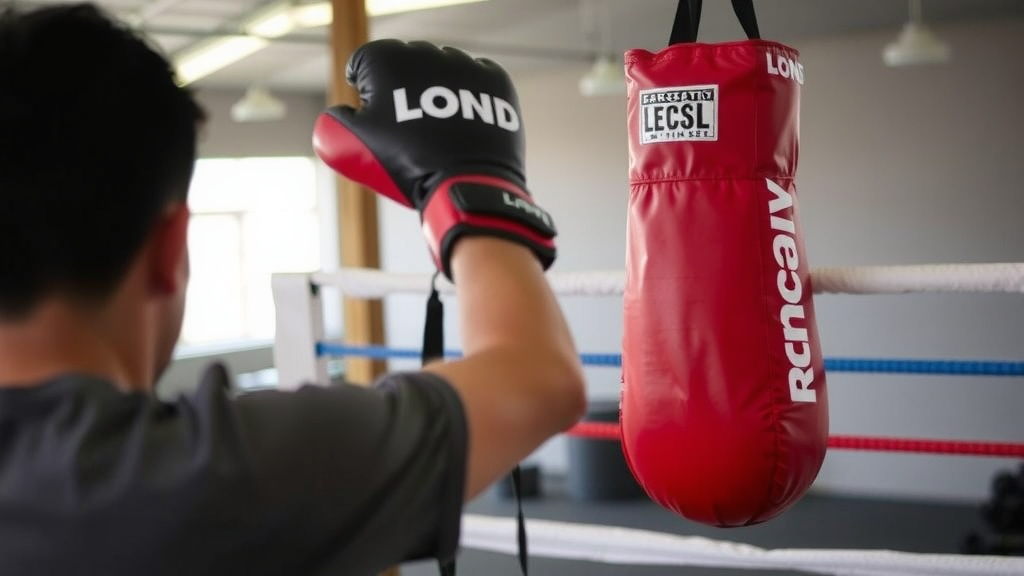
This might sound counterintuitive. You might think bag gloves are for bags. But for heavy bag workouts, especially if you’re hitting hard, sparring gloves are often better. They protect your hand joints and bones from the repetitive, forceful impacts.
Your hands are complex structures. They have many small bones and ligaments. Repeated heavy impact without adequate padding can lead to injuries like boxer’s fracture or wrist sprains (Cleveland Clinic).
Bag Gloves: For Precision and Speed Drills
Bag gloves are leaner and meaner for specific tasks. They are designed for speed work and technique development on punching bags, focus mitts, and other training equipment. You get a better feel for the impact.
This allows for more focused training on your form. You can really feel where your punches are landing. This helps build muscle memory for accurate strikes.
What About Heavy Bag Work?
While you can use bag gloves on the heavy bag, it’s generally not recommended for power shots. If you’re just doing light drills or working on speed, they might be okay. But if you’re throwing haymakers, you’re risking injury. We’ve seen too many people skip the proper gear.
Focus Mitts and Speed Bags
Bag gloves shine here. Their lighter feel and less bulk allow for quicker hand movements. This is crucial when working with a partner holding focus mitts. You need to be fast and precise. They also work well for speed bag training.
A Quick Comparison Table
| Feature | Sparring Gloves | Bag Gloves |
|---|---|---|
| Primary Use | Sparring, Heavy Bag Work | Heavy Bag (light/speed), Focus Mitts, Speed Bag |
| Padding | Thicker, More Protective | Thinner, Less Protective |
| Hand Protection | Higher | Moderate |
| Feel/Feedback | Less direct feel of impact | More direct feel of impact |
| Wrist Support | Generally better | Moderate |
| Weight | Heavier | Lighter |
Common Training Mistakes to Avoid
We see this a lot in gyms. People grab the first pair of gloves they see. Or they think one glove type does it all. This is a recipe for disaster. Your hands and wrists will thank you for being smart.
Overusing Bag Gloves for Sparring
This is the most dangerous mistake. Sparring involves direct impact on another person. Bag gloves just don’t have enough padding. This can lead to serious hand injuries for both you and your training partner. Many experts strongly advise against this practice.
Underusing Sparring Gloves for Heavy Bag Work
If you’re hitting the heavy bag with force, wear your sparring gloves. You might think you’re tougher, but your bones aren’t. Repeatedly jarring your hands can cause long-term damage. It’s better to be safe than sorry down the road.
Making the Right Choice for Your Training
So, what’s the takeaway? Invest in both if you plan on doing a variety of training. One pair won’t serve all your needs effectively. Think of it as an investment in your health and longevity in the sport.
For general heavy bag work and sparring, get a good pair of sparring gloves. For speed drills, focus mitt work, and lighter bag sessions, a pair of bag gloves can be useful.
Your Essential Glove Checklist
- Assess Your Training: What do you do most? Sparring, bag work, or both?
- Prioritize Protection: Always put hand and wrist safety first.
- Consider Weight: Lighter for speed, heavier for power and protection.
- Check the Fit: Gloves should be snug, not tight.
- Material Matters: Leather lasts longer and breathes better.
- Don’t Mix and Match Uses: Use the right glove for the right job.
Conclusion
You’ve learned that bag gloves and sparring gloves aren’t interchangeable. Sparring gloves offer the crucial padding needed to protect yourself and your training partners during contact. Bag gloves, on the other hand, are designed for precision and speed work on equipment. Investing in the right pair for each activity is key. This protects your hands from injury and supports your long-term training journey.
So, make the smart choice for your hands. If you’re sparring or hitting the heavy bag hard, reach for your sparring gloves. For drills and focus mitts, your bag gloves are ready. Your future self, free from hand pain, will thank you!
Frequently Asked Questions
Can I use sparring gloves for heavy bag work?
Yes, you absolutely can, and it’s often recommended. Sparring gloves provide ample padding to absorb the repetitive impact of the heavy bag. This helps protect your knuckles, wrists, and hands from potential injury over time.
Will bag gloves protect my hands on the heavy bag?
Bag gloves offer less padding, which means they provide moderate protection for your hands on the heavy bag. They’re best for lighter drills or when you’re focusing purely on speed and technique, not power shots.
What happens if I spar with bag gloves?
Sparring with bag gloves is risky because they lack sufficient padding. You significantly increase the chance of injuring your hands or your training partner’s face and ribs due to the direct, unabsorbed impact.
Are bag gloves good for focus mitts?
Yes, bag gloves are excellent for focus mitt training. Their lighter design allows for quicker hand speed and a better feel for the mitts, which is essential for drills that require precision and responsiveness.
How do I know if my gloves fit correctly?
Your gloves should feel snug around your hands but not uncomfortably tight. Your fingers should reach the end of the glove, and there should be enough space to comfortably wear hand wraps underneath without feeling too constricted.
![10 Best Hanging Wash Bag Leather [2026]](https://mybestreviewss.com/wp-content/uploads/2026/09/10-best-hanging-wash-bag-leather-2026-featured-768x432.jpg)

![10 Best Leather Work Bags Women [2026]](https://mybestreviewss.com/wp-content/uploads/2026/08/10-best-leather-work-bags-women-2026-featured-768x432.jpg)