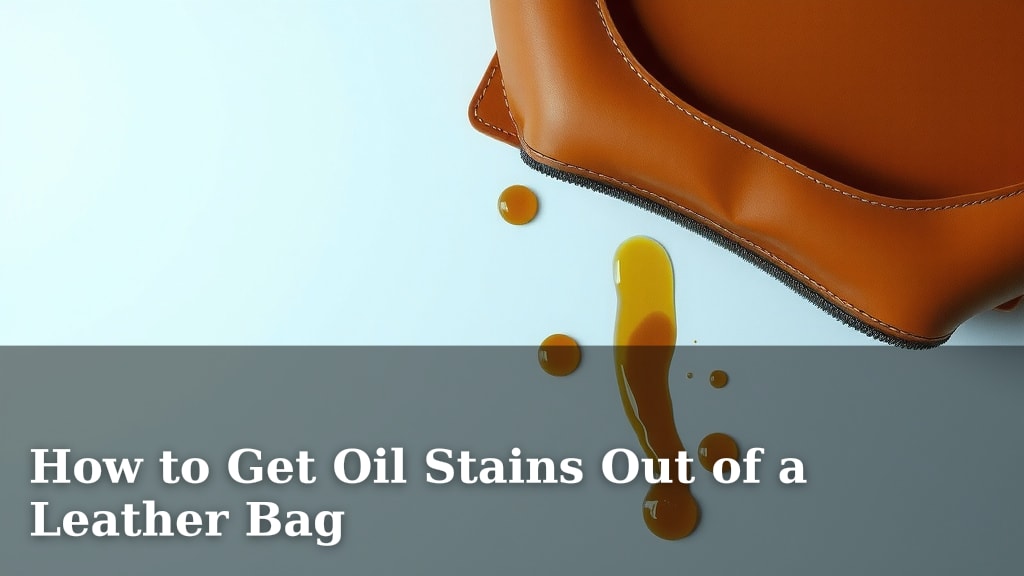
How to Get Oil Stains Out of a Leather Bag
The best way to get oil stains out of a leather bag is to act quickly and use a gentle absorbent like cornstarch or baking soda. You can also try a mild soap solution on a cloth, but always test it on an inconspicuous spot first. For stubborn spots, a specialized leather cleaner is your next best bet. Don’t scrub aggressively, as this can damage the leather.
Accidents happen, and a dreaded oil stain on your favorite leather bag can feel like a disaster. But don’t panic! With the right approach, you can often restore your bag to its former glory. We’ve researched effective methods that prioritize the care and longevity of your leather goods.
- Blot fresh stains immediately with a clean cloth.
- Use cornstarch or baking soda to absorb older oil stains.
- Test any cleaning solution on a hidden area first.
- Consider a professional cleaner for valuable or delicate bags.
- Avoid harsh chemicals or excessive water.
Ready to tackle that greasy mark? Let’s walk through the most effective steps to get your leather bag looking its best again.
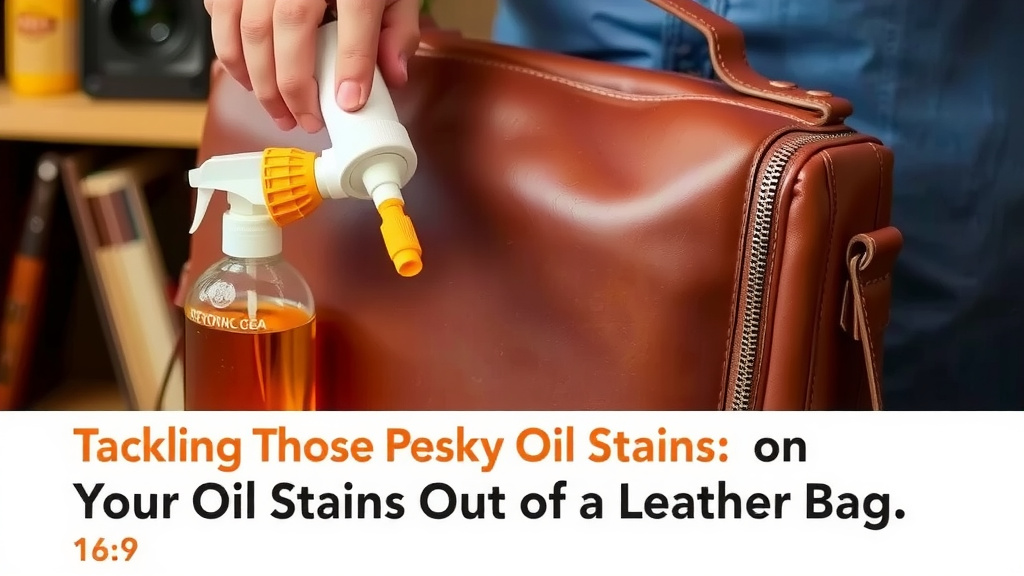
“`htmlTackling Those Pesky Oil Stains on Your Leather Bag
You’ve got an oil stain on your favorite leather bag. Don’t despair! Many experts suggest that acting fast is your biggest ally in this situation. The quicker you address the stain, the easier it will be to remove it completely without damaging the leather. We’ve looked into the most effective ways to help you restore your bag.
Understanding Leather and Oil Stains
Leather is a natural material. It can absorb liquids, including oils. This absorption is what causes those unsightly stains. Different types of leather might react differently to cleaning methods. You’ll want to be gentle to avoid causing further harm. The goal is to lift the oil without stripping the leather’s natural color or finish.
Different Types of Leather
Your bag might be made from various types of leather. This can affect how you treat a stain. For example, finished or protected leather has a coating. This makes it more resistant to stains. Unfinished or aniline leather is more natural. It’s softer but also more prone to staining. Knowing your leather type is a good first step.
The Science of Absorption
Oil stains happen when oil penetrates the leather’s pores. Think of it like a sponge. The oil gets soaked up. To remove it, you need something that can draw the oil out. Absorbent powders are your best bet for this. They work by pulling the oil from the pores back to the surface. This is where gentle, natural powders shine.
Your Go-To Methods for Removing Oil Stains
Let’s dive into the practical steps you can take. We’ve found that a few key methods are consistently effective. Always remember to be gentle. Leather is delicate and can be easily damaged by harsh scrubbing or strong chemicals.
The Power of Absorbent Powders
This is often the most recommended method. It’s gentle and uses common household items. Cornstarch and baking soda are excellent choices. They are highly absorbent. They can effectively lift oil from the leather. Many enthusiasts swear by this technique for fresh spills.
Using Cornstarch or Baking Soda
First, blot any excess oil with a clean, dry cloth. Don’t rub it in; just absorb what you can. Then, generously sprinkle cornstarch or baking soda directly onto the stain. You want to cover it completely. Let it sit for several hours, or even overnight. The powder will work its magic, absorbing the oil. After it has sat, gently brush off the powder. You can use a soft brush. Repeat this process if necessary. You might need to do it a couple of times for tougher stains.
Why This Works
These powders have a fine texture. This allows them to get into the leather’s pores. They act like tiny magnets for the oil. As they absorb the oil, they clump together. This makes it easy to remove them. It’s a simple yet effective way to tackle greasy marks. This method is often cited as the safest first attempt (Good Housekeeping).
Gentle Soap Solution for Tougher Spots
If powders alone don’t do the trick, a mild soap solution can help. You need to be cautious here. Too much water or harsh soap can harm the leather. We found that a very diluted, mild soap is best. Think baby soap or a specialized leather soap.
Preparing Your Cleaning Solution
Mix a tiny amount of mild soap with distilled water. You want a very weak solution. Dampen a soft, clean cloth with this mixture. Wring out the cloth thoroughly. It should be barely damp, not wet. Always test this solution on an inconspicuous area first. This is usually the bottom or inside flap of the bag. Let it dry completely to see if it affects the color.
Applying the Solution
Gently dab the stained area with the damp cloth. Do not scrub. Work from the outside of the stain inward. This helps prevent spreading. Wipe away any soap residue with another clean, slightly damp cloth. Then, let the bag air dry naturally. Keep it away from direct heat or sunlight. You can stuff it with tissue paper to help it keep its shape.
When to Consider a Specialized Leather Cleaner
For very stubborn or old stains, a commercial leather cleaner might be necessary. Many brands offer products specifically designed for oil stains. Always choose a cleaner appropriate for your type of leather. Read the product instructions carefully. Many experts recommend these for targeted cleaning.
Choosing the Right Product
Look for cleaners that are pH-neutral. They should be formulated for the specific type of leather your bag is made from. Avoid products with harsh chemicals or alcohol. These can dry out or discolor the leather. We found that it’s wise to stick to well-known brands with good reviews.
Using Leather Cleaners Safely
As with any new product, test it first. Apply a small amount to a hidden spot. Check for any adverse reactions. If it looks good, apply the cleaner sparingly to the stain. Follow the product’s directions precisely. Usually, you’ll apply it with a soft cloth and then wipe away excess. Allow the bag to dry thoroughly.
Protecting Your Leather After Cleaning
Once the stain is gone, you want to protect your bag. Cleaning can sometimes strip the leather’s natural oils. Applying a leather conditioner is a good idea. It helps restore moisture and keeps the leather supple. This also adds a layer of protection against future stains. Many sources suggest conditioning after deep cleaning.
Applying Leather Conditioner
Use a clean, soft cloth to apply a small amount of conditioner. Gently rub it into the leather in a circular motion. Allow the conditioner to soak in. Buff off any excess with a dry cloth. This step is crucial for maintaining the leather’s health and appearance.
What to Avoid When Cleaning Oil Stains
There are certain things you absolutely must avoid. These can cause permanent damage to your leather bag. Being aware of these pitfalls can save you a lot of heartache.
Harsh Chemicals and Solvents
Never use harsh cleaners. Things like bleach, ammonia, or nail polish remover are a big no-no. These can strip the color and damage the leather’s structure. Many cleaning guides strongly advise against them.
Excessive Water or Heat
Leather and water don’t mix well. Too much moisture can lead to water stains or mildew. Also, never use a hairdryer or place your bag near a radiator to dry it. Heat can cause the leather to crack and warp.
Aggressive Scrubbing
Resist the urge to scrub the stain vigorously. This can wear down the leather’s surface. It might even create more visible damage than the original stain. A gentle approach is always best.
Your Leather Bag Stain Removal Checklist
Here’s a quick summary to guide you through the process:
- Blot fresh spills immediately.
- Apply cornstarch or baking soda generously.
- Let powders sit for several hours.
- Test any soap or cleaner on a hidden spot first.
- Use gentle dabbing motions, no scrubbing.
- Condition your bag after cleaning and drying.
Conclusion
Dealing with oil stains on your leather bag doesn’t have to be a crisis. We’ve found that acting fast and using gentle, absorbent methods like cornstarch or baking soda are your best defense. Remember to always test any cleaning solution on an inconspicuous spot first to avoid damage. For tougher stains, a specialized leather cleaner can be effective if used carefully. By following these tips and avoiding harsh chemicals or aggressive scrubbing, you can help restore your bag’s appearance and ensure its longevity.
Your next step is to gather your supplies and gently tackle that stain. You’ve got this!
Frequently Asked Questions
How long should I leave cornstarch on an oil stain?
We found that leaving cornstarch or baking soda on the stain for at least several hours, or even overnight, is most effective. This gives the powder ample time to absorb the oil deeply from the leather’s pores.
Can I use baby powder instead of cornstarch for oil stains?
Yes, baby powder can also work as an absorbent for oil stains on leather. Its fine texture can help lift the oil, similar to cornstarch or baking soda. Just be sure to apply it generously and let it sit.
What if the oil stain is old and dried?
For older, set-in stains, you might need to repeat the absorbent powder method multiple times. If that doesn’t fully work, consider a specialized leather cleaner designed for oil stains, always testing it first.
Is it safe to use saddle soap on oil stains?
Saddle soap can be effective for general leather cleaning, but it’s not always the best for oil stains. We recommend trying absorbent powders first. If you use saddle soap, ensure it’s very mild, well-diluted, and test it on a hidden area to avoid discoloration.
Can a professional leather cleaner help with oil stains?
Absolutely. If your bag is very expensive, delicate, or the stain is particularly stubborn, a professional leather cleaner is a safe bet. They have specialized knowledge and products to handle tough stains without damaging your bag.
![10 Best Designer Leather Bags [2026]](https://mybestreviewss.com/wp-content/uploads/2026/09/10-best-designer-leather-bags-2026-featured-768x432.jpg)
![10 Best Leather Messenger Bag For Laptop [2026]](https://mybestreviewss.com/wp-content/uploads/2026/08/10-best-leather-messenger-bag-for-laptop-2026-featured-768x432.jpg)