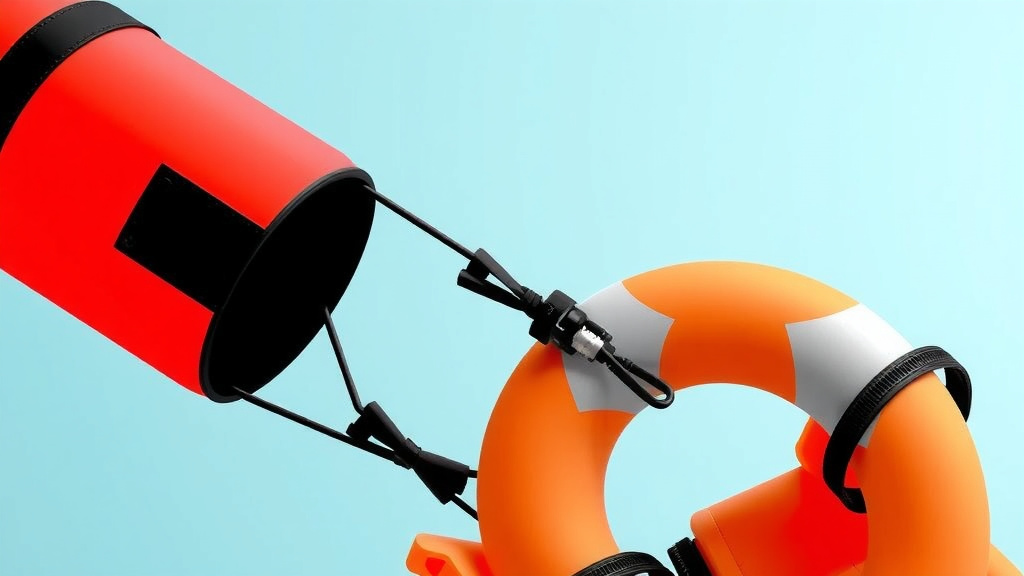
Aqua Bag vs Buoy: Which Is Best For Your Training
When choosing between an aqua bag and a buoy for your water activities, think about stability and visibility. An aqua bag is designed for deeper water and offers excellent stability. A buoy, on the other hand, is generally more visible and serves as a marker. Your best choice depends on whether you need a stable platform or a clear indicator in the water.
We found that both tools serve distinct purposes in water sports and safety. An aqua bag is often used for training or as a portable anchor. A buoy is frequently used to mark hazards or swimming areas. Understanding their primary functions will help you pick the right gear for your needs.
TL;DR:
- Aqua bags offer stability, often for training.
- Buoys provide visibility, acting as markers.
- Choose based on your activity’s primary goal.
- Stability vs. visibility is the main difference.
Below, we’ll break down the key differences between aqua bags and buoys so you can make an informed decision for your next water adventure.
So, you’re out on the water, maybe swimming, paddling, or diving, and you’re wondering about the difference between an aqua bag and a buoy. It’s a fair question! They both float, and they both serve a purpose, but they do it in very different ways. Think of it like comparing a sturdy anchor to a bright flag. You wouldn’t use a flag to hold your boat steady, right? It’s similar with these water tools. We’ve done the research, and the core difference boils down to what you need them to do for you in the water.
Aqua Bag Versus Buoy: What’s the Real Difference?
When you’re deciding between an aqua bag and a buoy, the main thing to consider is stability versus visibility. An aqua bag is often designed to be filled with water, giving it weight and substance. This makes it great for keeping things in place. A buoy, on the other hand, is usually lighter and more focused on being seen from a distance. You’ll find them used for different tasks, and understanding their strengths will help you pick the right one.
Understanding Aqua Bags: Your Water Anchor
An aqua bag is essentially a portable weight. You fill it with water right before you need it. This makes it surprisingly heavy and stable. Many people use them for fitness training in the water. The instability of the water-filled bag forces you to engage more muscles to stay balanced. It’s a fantastic way to add a challenge to your workout.
The Benefits of Aqua Bag Training
We found that aqua bags are excellent for building core strength. Because the water shifts inside, your body constantly works to stabilize. This is different from a fixed weight. It really helps you develop better proprioception, which is your body’s awareness of its position in space. This can translate to better balance and control in other activities too.
Aqua Bags as Anchors
Beyond fitness, aqua bags can serve as temporary anchors. Heading out for a short paddleboard session and need to keep your gear from drifting? An aqua bag can do the trick. It’s also useful for holding down tarps or covers on boats or docks when you need a temporary, water-based solution. They are less permanent than traditional anchors but offer surprising holding power when filled.
Aqua Bag Limitations
However, aqua bags aren’t always the best choice if you need something highly visible. Once filled, they can look like many other floating objects. If your main goal is to mark a spot or ensure you’re seen, an aqua bag might not be sufficient on its own. Also, they require filling and emptying, which adds a step to your setup and pack-up.
Exploring Buoys: Markers in the Water
Buoys are the bright, attention-grabbing markers you see on the water. Their primary purpose is to provide visibility. They come in all shapes and sizes, from small lane markers to large channel markers. Their construction is generally lightweight, allowing them to float easily and be seen.
The Visibility Factor
When you’re in open water, being seen is crucial. Buoys are designed with bright colors, often fluorescent orange or yellow, to stand out against the water. This makes them ideal for marking swimming areas, diving spots, or potential hazards like submerged rocks or shallow areas. Many safety organizations recommend using buoys for these purposes (CDC).
Types of Buoys and Their Uses
There are many different kinds of buoys. You have:
- Mooring buoys: Large buoys where boats can tie up.
- Channel markers: Used to guide boats through safe waterways.
- Safety buoys: Often brightly colored and used to indicate hazards or no-wake zones.
- Swim buoys: Smaller, personal buoys that make swimmers more visible to boats.
We found that the variety means there’s a buoy for almost any marking need on the water.
Buoys for Safety and Navigation
Think about kayaking or paddleboarding in an area with boat traffic. Attaching a bright buoy to your kayak can significantly increase your visibility to boaters, reducing the risk of an accident. They act as an early warning system for others on the water. Many recreational boaters rely on buoys to navigate safely and understand the limits of marked areas.
Buoy Drawbacks
While great for visibility, most buoys aren’t designed for stability. They can be easily moved by waves or currents. You wouldn’t use a typical buoy as a weight or anchor for anything. If the wind picks up, a small buoy can get tossed around quite a bit. Their lightweight nature is their strength for visibility, but a weakness for stability.
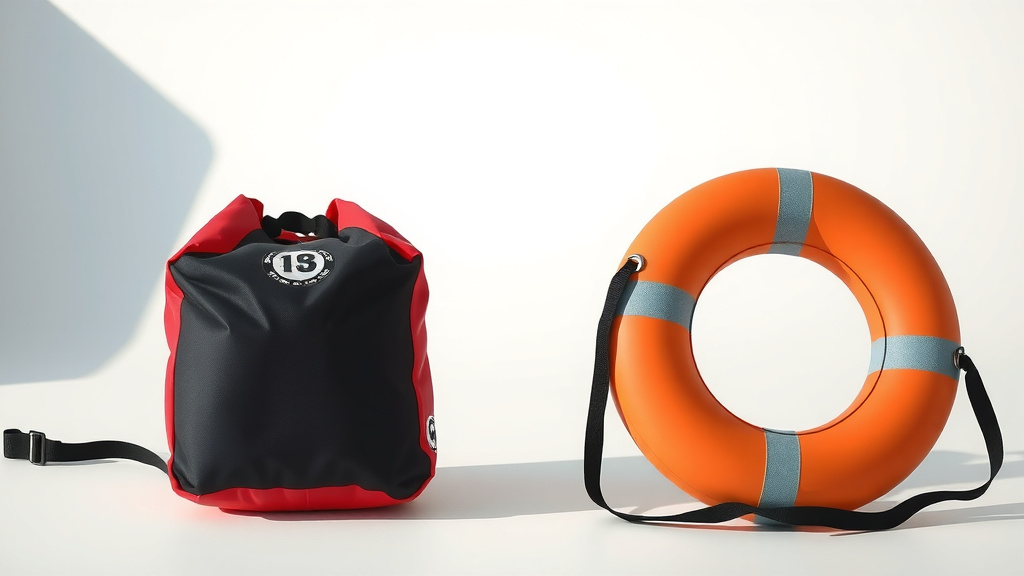
Aqua Bag vs. Buoy: A Quick Comparison
Let’s lay it out side-by-side. It helps to see the core differences clearly. We created this simple table to show you the main points:
| Feature | Aqua Bag | Buoy |
|---|---|---|
| Primary Function | Stability, Weight, Training | Visibility, Marking |
| Key Benefit | Grounding, Core Workout | Being Seen, Hazard Warning |
| How it Works | Filled with water for mass | Lightweight and colorful |
| Best For | Fitness, temporary anchoring | Marking areas, safety warnings |
| Main Limitation | Low visibility | Low stability |
Choosing the Right Gear for Your Activity
So, which one is right for you? It really depends on your activity. Ask yourself: What is the main job I need this item to do?
When to Grab an Aqua Bag
You’ll want an aqua bag if you are looking to:
- Intensify your water fitness routine. The shifting water makes for a challenging workout.
- Need a temporary, movable anchor. It’s perfect for light-duty anchoring needs.
- Train balance and core strength. It’s like a personal trainer in the water!
When to Opt for a Buoy
A buoy is your go-to if you need to:
- Increase your visibility to others. Safety first when you’re on the water.
- Mark a specific area. Like a safe swimming zone or a dive site.
- Warn others of potential hazards. Keep everyone safe from submerged dangers.
- Ensure your location is known. For rescue or just for peace of mind.
Many water sports enthusiasts find having both can be incredibly useful. You might use a buoy to mark your general location while using an aqua bag for a workout in that area.
Conclusion
You’ve learned that the choice between an aqua bag and a buoy really comes down to what you need them to do. An aqua bag offers stability and weight, making it perfect for water fitness or as a temporary anchor. Think of it as your personal water trainer or a handy weight. A buoy, on the other hand, is all about visibility. It’s your bright flag on the water, designed to mark areas or warn others. For your next water outing, simply ask yourself: do you need to stay put and work out, or do you need to be seen and mark a spot? Your answer will guide you to the right gear.
Frequently Asked Questions
Can I use an aqua bag as a permanent anchor?
Aqua bags are best for temporary anchoring needs. While they provide surprising weight when filled with water, they are not designed for long-term or heavy-duty anchoring. For permanent mooring, you’ll need a traditional anchor system.
Are buoys visible at night or in poor weather?
Many buoys are designed with bright colors for daytime visibility. For low-light conditions or night use, look for buoys with reflective tape or consider adding a small, waterproof light to ensure you remain visible.
Is an aqua bag good for learning to swim?
An aqua bag isn’t typically used for learning to swim. Its purpose is to add instability for workouts or to act as a weight. For swim training, you might consider flotation aids like kickboards or swim noodles.
Can I fill an aqua bag with something other than water?
While you could technically fill an aqua bag with sand or other heavy materials, water is its intended and most practical filler. Water is readily available and offers a dynamic instability that is key to its training benefits.
Are there different sizes of buoys for different needs?
Yes, buoys come in a wide range of sizes and designs. Small personal swim buoys are great for individual swimmers, while larger channel markers guide boats. The size you need depends on the specific purpose, such as marking a personal swim area versus a navigational channel.
![10 Best Leather Weekender Bag For Women [2026]](https://mybestreviewss.com/wp-content/uploads/2026/08/10-best-leather-weekender-bag-for-women-2026-featured-768x432.jpg)