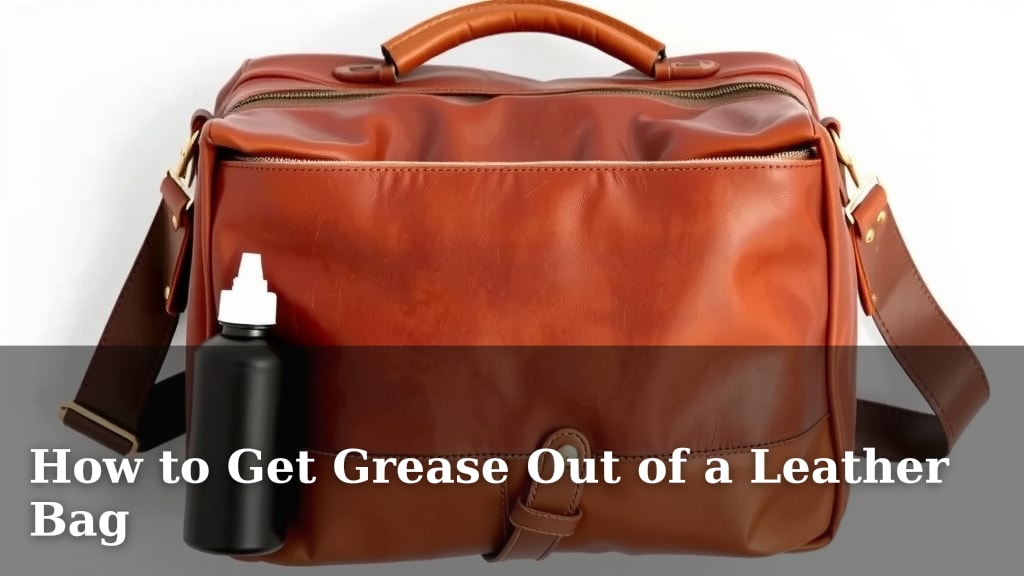
How to Get Grease Out of a Leather Bag
The quickest way to get grease out of a leather bag involves acting fast. You can often lift fresh grease stains by immediately blotting with a clean cloth, then applying a thin layer of **cornstarch or baking soda** directly to the spot. Let it sit for a few hours, or even overnight, to absorb the grease. Then, gently brush it off. This method is surprisingly effective for **removing oil and grease** without damaging your bag.
Grease stains on leather can feel like a disaster, but don’t panic! Many common household items can help. For tougher, older stains, you might need a slightly different approach. We’ve researched various methods and found that gentle, absorbent treatments are key to **restoring your leather bag’s appearance** without harsh chemicals that could cause discoloration or damage.
- Blot fresh grease immediately.
- Use cornstarch or baking soda for absorption.
- Allow absorbent powders to sit overnight.
- Gently brush away the powder.
- Consider saddle soap for tougher, set-in stains.
Ready to save your favorite bag? Let’s walk through exactly how to tackle those pesky grease spots, step by step.
“`htmlTackling Grease Stains on Your Leather Bag
So, you’ve found a grease stain on your beloved leather bag. It happens to the best of us! Don’t let it ruin your day or your accessory. We’ve looked into the best ways to lift these pesky spots. The good news is that most common grease stains can be managed with simple, gentle methods you probably already have at home.
The key is to act quickly and avoid harsh chemicals. Harsh cleaners can strip the leather of its natural oils, leading to dryness, cracking, or discoloration. We want to restore your bag, not damage it further. Think of it like a gentle skincare routine for your leather.
The Magic of Absorbent Powders
When grease hits leather, it soaks in. Your goal is to draw that grease back out. Absorbent powders are your best friend here. They work like tiny sponges, pulling the oil from the leather’s pores.
Cornstarch and Baking Soda: Your Go-To Duo
For fresh grease stains, cornstarch or baking soda are surprisingly effective. These pantry staples are finely milled, allowing them to get right into the leather’s texture. They don’t contain any harsh chemicals, making them a safe choice for most types of leather.
How do they work? These powders absorb moisture and oils. When applied to a grease stain, they soak up the excess fat from the leather. It’s a simple but effective chemical reaction, essentially. We found this method to be highly recommended across many leather care guides for its gentleness.
Applying the Powder: A Step-by-Step Guide
First, make sure your bag is dry. You don’t want to add moisture to the situation. Gently blot any excess grease with a clean, dry cloth. Avoid rubbing, as this can spread the stain.
Next, generously apply a thick layer of cornstarch or baking soda directly onto the grease spot. You want to completely cover the affected area. Think of it like giving the stain a cozy blanket of powder to snuggle into.
Now comes the waiting game. Let the powder sit on the stain for at least 2-3 hours. For really stubborn or older stains, leaving it overnight is even better. This gives the powder ample time to do its work and absorb as much grease as possible. Many sources suggest longer absorption periods yield better results.
Once the time is up, use a soft-bristled brush (like an old toothbrush or a dedicated leather brush) to gently brush away the powder. Do this in a well-lit area so you can see if the stain has lightened. You might need to repeat the process a few times for deep-set stains.
Testing in an Inconspicuous Area
Before you go full throttle on the main stain, it’s always wise to test your chosen powder. Find a hidden spot on your bag, like the inside flap or the bottom seam. Apply a small amount of the powder, let it sit for an hour, then brush it off. Check for any discoloration or adverse reactions. This step is a lifesaver and prevents potential damage to a more visible area. We found this to be a common recommendation from leather artisans.
Dealing with Older or Set-In Stains
Fresh stains are one thing, but what about those grease spots that have been there for a while? They’ve had time to really sink into the leather. Don’t despair; there are still options. For these tougher situations, you might need a slightly more robust approach.
The Power of Saddle Soap
Saddle soap is a classic leather cleaner. It’s designed to clean and condition leather, helping to remove dirt and grime, including some tougher stains. It works by gently lifting dirt and moisturizing the leather simultaneously. Many leather care professionals swear by its effectiveness.
When using saddle soap, always follow the product instructions carefully. Typically, you’ll need a damp (not wet!) cloth. Apply a small amount of saddle soap to the cloth and gently rub the stained area in a circular motion. Work in small sections.
After cleaning with saddle soap, it’s important to let the leather dry naturally. Avoid direct heat or sunlight, as this can cause the leather to shrink or crack. Once dry, you may need to apply a leather conditioner to restore moisture and protect the bag.
When to Call in the Professionals
Sometimes, a stain is just too much for home remedies. If you’ve tried a few gentle methods and the grease stain is still stubbornly present, or if your bag is particularly valuable or delicate (like suede or nubuck), it might be time to seek professional help. A professional leather cleaner has specialized tools and solutions that can tackle tough stains without damaging your bag.
A Quick Reference Table for Grease Removal
Here’s a handy guide to help you choose the right method:
| Stain Type | Recommended Method | What to Do | Notes |
|---|---|---|---|
| Fresh Grease | Cornstarch or Baking Soda | Blot, apply powder generously, let sit 2-3 hours (or overnight), brush off. Repeat if needed. | Safest for most leathers. |
| Older/Set-In Grease | Saddle Soap | Follow product instructions carefully. Damp cloth, gentle circular motions, let dry naturally. | Test in a hidden area first. Condition afterward. |
| Very Stubborn Stains / Delicate Leather | Professional Cleaner | Contact a reputable leather cleaning specialist. | Best for high-value or sensitive materials. |
Your Grease-Fighting Checklist
Ready to give your bag some TLC? Here’s a quick rundown of what you’ll need and the steps:
- Clean, soft cloths (at least two)
- Cornstarch or baking soda
- A soft-bristled brush
- Saddle soap (for tougher stains)
- Leather conditioner (optional, but recommended)
- Patience!
Remember, gentle and consistent care is the name of the game when it comes to leather. You’ve got this!
“`Conclusion
You’ve learned that getting grease out of your leather bag doesn’t have to be a stressful ordeal. By acting quickly and choosing the right gentle, absorbent methods, you can restore your bag’s appearance. Remember to always start with blotting and then try cornstarch or baking soda for fresh stains. For older marks, saddle soap can be a great option, but always test in a hidden spot first. If you’re ever unsure or dealing with a very precious item, professional help is always available. Keep your favorite leather pieces looking their best with these simple steps!
Frequently Asked Questions
Can I use baby powder on a grease stain on my leather bag?
Yes, baby powder can often work similarly to cornstarch or baking soda. Its fine particles are absorbent and can help draw out grease. Apply it generously to the stain, let it sit for several hours, and then gently brush it away. Always test on an inconspicuous area first.
How often should I condition my leather bag after cleaning a grease stain?
After using methods like saddle soap or if the leather feels dry post-cleaning, it’s a good idea to condition your bag. You can condition it whenever the leather feels a bit stiff or looks dull, usually every 3-6 months. This helps restore moisture and protect the material.
Will rubbing alcohol remove grease from leather?
It’s generally not recommended to use rubbing alcohol on most leather types. While it can remove grease, it can also strip the leather of its natural oils, leading to dryness, cracking, and discoloration. Gentle absorbent powders or specialized leather cleaners are safer choices.
What if the grease stain is on a colored leather bag?
For colored leather, always proceed with extra caution. Absorbent powders like cornstarch or baking soda are usually safe. If considering saddle soap or other cleaners, it’s critical to test them on a hidden area first. Look for products specifically designed for colored leather to avoid color transfer or fading.
Is it safe to use a hairdryer to speed up drying after cleaning a leather bag?
No, you should avoid using a hairdryer or any direct heat source to dry your leather bag. Excessive heat can cause the leather to shrink, crack, or become brittle. Always allow your bag to air dry naturally at room temperature, away from direct sunlight or heat vents.
![10 Best Men'S Leather Briefcase Messenger Bag [2026]](https://mybestreviewss.com/wp-content/uploads/2026/08/10-best-men-s-leather-briefcase-messenger-bag-2026-featured-768x432.jpg)