
Bag Depth vs Height: Which Dimension Matters Most
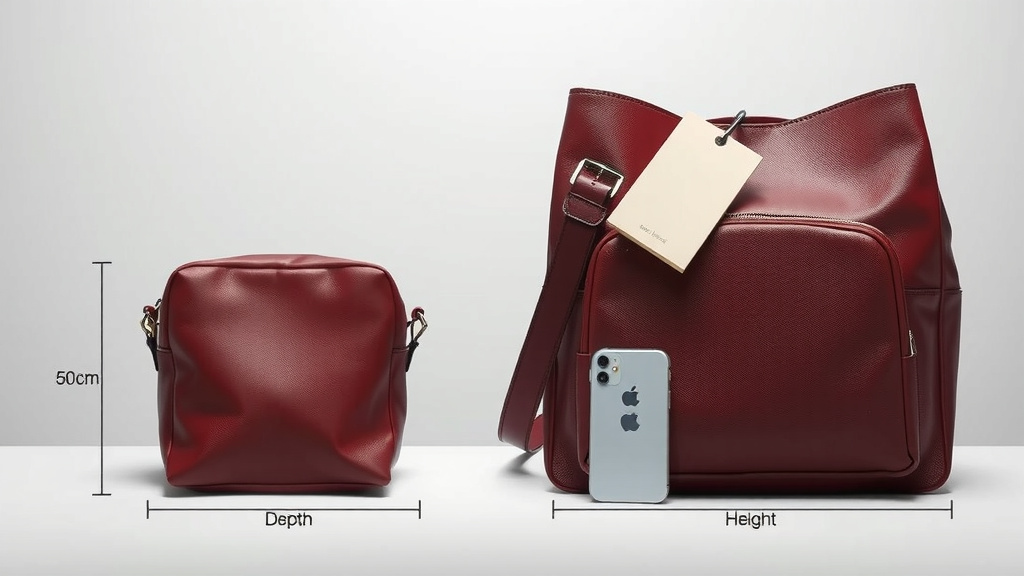
When choosing a bag, understanding bag depth vs height is key. Bag height measures the vertical distance from the top to the bottom. Bag depth measures the horizontal distance from the front to the back. You need to consider both for your perfect fit.
Thinking about how much stuff you carry helps. A taller bag might fit more items stacked vertically. A deeper bag can hold bulkier items side-by-side. Many find considering bag width alongside these two also helps.
- Height is top to bottom.
- Depth is front to back.
- Width is side to side.
- Consider your carrying needs.
- Depth matters for bulky items.
Let’s break down exactly what bag depth and height mean for you and your everyday carry.
Understanding Your Bag’s Dimensions: Height and Depth
When you look at bag dimensions, you’ll see three main numbers: height, width, and depth. We’re focusing on two key players today: bag height and bag depth. They might sound similar, but they tell very different stories about how your bag will perform. Getting these right means your bag fits your lifestyle. Let’s make sure you understand what each measurement means for your carrying needs.
What Exactly is Bag Height?
Bag height is the vertical measurement. Imagine your bag standing upright on a flat surface. The height is the distance from the very bottom of the bag to the very top opening. Think of it as how tall your bag is. This measurement helps you understand if longer items will fit standing up inside. It’s like checking if your umbrella will fit standing in a tote bag.
What Exactly is Bag Depth?
Bag depth, on the other hand, is the horizontal measurement from front to back. Picture your bag sitting on a shelf. The depth is how far it sticks out. This tells you how much space there is for bulkier items or for things to spread out sideways. A deeper bag can often hold more items that aren’t flat, like a thick book or a toiletry kit.
Height vs. Depth: How They Impact Your Carry
These two dimensions work together, but they serve different purposes. Your choice between prioritizing height or depth depends entirely on what you plan to carry. It’s a bit like choosing between a tall, narrow vase and a short, wide bowl. Both hold things, but they hold them differently.
When Bag Height is Your Priority
You’ll want a bag with good height if you often carry items that are long and slim. Think about things like a rolled-up yoga mat, a laptop, a large notebook, or even a water bottle that stands upright. If these items are a regular part of your load, a taller bag means they can slide in easily without bending or getting squished. We’ve found that for students or professionals with lots of documents, height is a key feature.
Examples of Height-Focused Needs:
- Carrying a 15-inch laptop
- Transporting rolled posters or blueprints
- Keeping a full-size water bottle upright
- Fitting an umbrella or a standard-sized textbook
When Bag Depth is Your Priority
Bag depth becomes more important when you carry items that are wide or have a significant thickness. Consider things like a chunky sweater you might shed later, a lunchbox with a lot of containers, or even a camera with a bulky lens. If your items tend to be more three-dimensional and less flat, a deeper bag will accommodate them better. We found that parents often need more depth for things like diapers and snacks.
Examples of Depth-Focused Needs:
- Packing a thick toiletry bag
- Storing a pair of spare shoes
- Carrying a bulky winter scarf or gloves
- Fitting a sandwich container or a bento box
Comparing Height and Depth with Width
While we’re talking about height and depth, it’s impossible to ignore bag width. Width is the measurement from side to side. Together, these three dimensions paint a complete picture of your bag’s capacity and how it will hold your belongings. Many manufacturers list all three, so you can get a good sense of the interior space.
Consider your items. Are they long and thin, like papers? Height is your friend. Are they thick and bulky, like a helmet? Depth is your focus. Do you need to fit many items side-by-side, like a collection of small pouches? Then width comes into play.
Let’s look at how these might play out in common bag types.
| Bag Type | Primary Dimension Focus | Why? |
|---|---|---|
| Laptop Backpack | Height & Width | Needs to fit a standard laptop vertically or horizontally, and also accommodate other essentials side-by-side. |
| Duffel Bag | Depth & Width | Designed for bulkier items, gym clothes, or travel gear that needs space to spread out. |
| Tote Bag | Height & Width | Often used for groceries or general shopping, where items can be stacked or placed side-by-side. |
| Messenger Bag | Width & Depth | Carries items like books, tablets, or lunches, which need to lie flat or fit snugly across the bag. |
What Does This Mean for Your Daily Pack?
Think about what you take with you every single day. Do you pack a lunch? A camera? A change of clothes? If so, you might lean towards a bag with more depth. If your daily carry is mostly flat items like notebooks, a tablet, and a wallet, a bag with good height and width might be more suitable. Many experts suggest thinking about the “shape” of your items as much as the quantity.
Sometimes, a bag might have great height but be quite shallow. This is perfect for carrying tall, thin items but won’t hold much else. Conversely, a bag could be very deep but not very tall. This could be good for a few bulky items but might not fit a standard notebook standing up.
Making the Right Choice for You
Ultimately, the best bag dimensions are the ones that match your personal needs. It’s not about one being universally better than the other. It’s about understanding what you’ll be putting in your bag and how those items will fit best.
Consider these quick questions to help you decide:
- What are the longest items I regularly carry?
- What are the bulkiest items I need to fit?
- Do I need to keep items upright or can they lie flat?
- How important is it for my bag to stand on its own?
- What kind of items do I carry most often?
By asking yourself these questions, you can better evaluate whether a bag’s height or depth will serve you better. You can often find these dimensions listed on product pages or on the bag’s tag. Looking at these numbers will give you a much clearer picture than just the overall size.
Conclusion
You’ve learned that bag height and depth are more than just numbers; they define how your bag actually works for you. Height helps with long, slim items, while depth is your best friend for bulkier gear. We found that pairing these dimensions with width gives you the full picture of your bag’s capacity. Don’t just look at bag size; consider the shape of your everyday items. Now, take a moment to assess what you carry daily. Your next bag purchase should be guided by this clear understanding of your needs. Go forth and find that perfect fit!
Frequently Asked Questions
Does bag depth matter more than height for travel?
It depends on what you pack for travel. If you tend to carry larger, bulkier items like toiletry bags or shoes, depth will be more important. However, if you pack longer items like umbrellas or rolled-up posters, height might be your priority.
Can a bag be too deep?
Yes, a bag can be too deep if it makes it hard to find items at the bottom. If a bag is very deep but not very wide or tall, your belongings might get buried. You might have to dig around to find what you need.
How do I measure my bag’s depth if it’s soft?
For soft bags, gently stuff the bag with items to give it shape. Then, measure the distance from the front exterior to the back exterior. You can also push the sides in to get a sense of its true depth when it’s not fully packed.
Will a taller bag always hold more than a deeper bag?
Not necessarily. A taller bag is better for long items, but a deeper bag can hold more bulky items. Imagine a tall, thin box versus a short, wide one; each holds a different volume of items. The total capacity depends on all three dimensions: height, depth, and width.
Should I prioritize height or depth for a work bag?
For a work bag, consider what you carry daily. If you need to fit a laptop, notebooks, and pens upright, height is key. If you often bring a lunchbox, a change of shoes, or gym clothes, you’ll want more depth. Many work bags balance all three dimensions well.
![10 Best Leather Quality Bags [2026]](https://mybestreviewss.com/wp-content/uploads/2026/08/10-best-leather-quality-bags-2026-featured-768x432.jpg)
![10 Best Leather Duffel Bag Men'S [2026]](https://mybestreviewss.com/wp-content/uploads/2026/09/10-best-leather-duffel-bag-men-s-2026-featured-768x432.jpg)