
Bag vs Backpack Which Is Better for You
When deciding between a bag versus a backpack, it often comes down to your specific needs and how you plan to carry your belongings. A backpack is generally better for distributing weight evenly across your back and shoulders, making it ideal for heavier loads or longer distances. Bags, like totes or messenger bags, might offer easier access but can strain one shoulder with weight.
The choice between a bag and a backpack impacts comfort and practicality. While bags can be stylish and quick to grab, backpacks are designed for ergonomic carrying. We found that understanding the difference helps you pick the right option for commuting, travel, or daily use, preventing discomfort and improving your carrying experience.
- Backpacks distribute weight evenly, ideal for heavy loads.
- Bags can strain one shoulder with significant weight.
- Backpacks are better for long distances and comfort.
- Bags offer easier access for quick item retrieval.
- Consider your daily activities when choosing.
Let’s dive into the specifics of each and help you figure out which one is your perfect match.
Choosing the right way to carry your stuff is a bigger deal than you might think. It impacts your comfort, your posture, and how easily you can get to what you need. Let’s break down the world of bags and backpacks to help you find your perfect match.
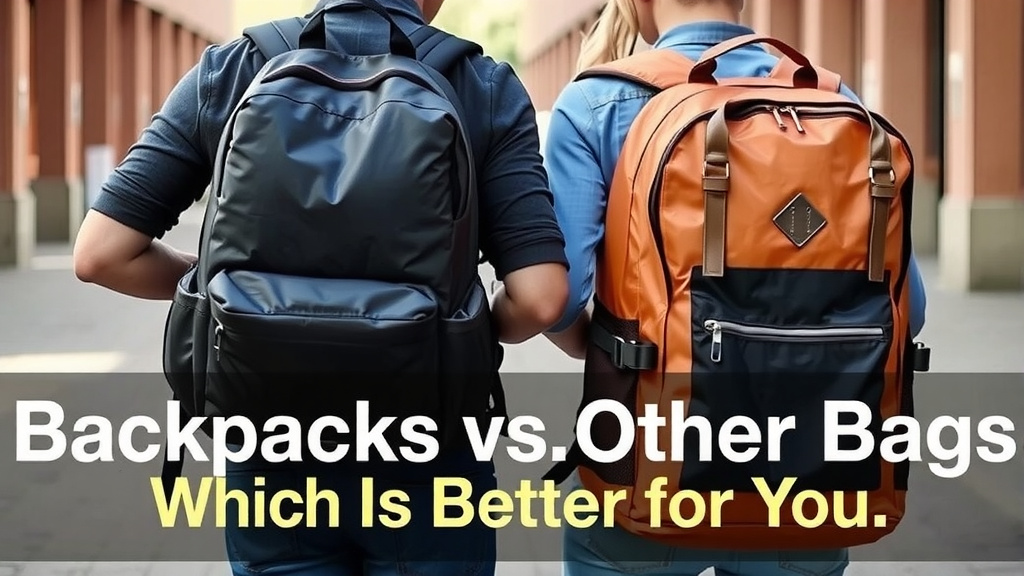
Backpacks vs. Other Bags: What’s Your Carrying Style?
When you’re thinking about a bag versus a backpack, you’re really deciding on how you want to distribute weight and access your items. We found that this choice significantly affects your comfort, especially if you carry a lot or for extended periods.
The Power of the Backpack: Even Distribution is Key
A backpack is designed to hug your back. It has two shoulder straps that distribute weight evenly across both your shoulders and your back. This is why they are often recommended for carrying heavier loads.
Ergonomics for Your Everyday
Many experts say that distributing weight evenly is **better for your spine and posture** (Cleveland Clinic). When you use a backpack, the load is centered over your body’s strongest muscles. This can prevent muscle strain and fatigue. Research suggests that this even distribution can **reduce the risk of back pain** for frequent carriers.
Comfort Over Long Distances
Planning a hike, a long commute, or a day trip? Backpacks shine here. We found that their design makes them ideal for carrying items for **extended periods without discomfort**. You can walk further and feel less strain compared to other bag types.
Storage and Organization
Most backpacks come with multiple compartments. This helps you **organize your belongings** efficiently. You can have a specific spot for your laptop, your water bottle, your lunch, and smaller items. Many bags offer this, but backpacks often do it better for bulkier items.
The Versatility of Bags: Style and Quick Access
Bags, a broad category including totes, messenger bags, and crossbody bags, offer a different set of advantages. They often prioritize style and quick access to your essentials.
The Shoulder Strain Factor
A common issue with bags is that they are typically carried on one shoulder. When you add weight, this can lead to **imbalance and strain** on that one side. Over time, this can contribute to neck and shoulder pain. Many sources suggest alternating shoulders if you use a single-strap bag regularly.
Easy Access for Busy Lives
Need to grab your phone or wallet in a hurry? A messenger bag or a tote bag often provides **quicker access** to your items than digging through a backpack. You can swing a messenger bag around to your front or reach into a tote bag with ease. This is a big plus for daily commutes or when you’re on the go.
Style and Fashion Statements
Let’s be honest, bags can be incredibly stylish. A chic tote bag can complete an outfit. A sleek messenger bag can look very professional. While backpacks have certainly become more fashionable, bags have long been a **fashion accessory** in their own right.
Comparing Carry Options: When to Choose What
Your daily routine and the items you carry are the biggest factors. We found that understanding these differences helps you make a smarter choice.
Daily Commute: Finding Your Balance
For your daily work commute, think about what you carry. If you have a laptop, lunch, and perhaps a change of clothes, a backpack might be your best bet for comfort. If you only carry a few essentials like your wallet, keys, and a small notebook, a messenger bag or a large tote could work well.
Many commuters find that a backpack helps keep their hands free. This is useful for navigating crowded public transport or holding onto a coffee cup. We found that a well-designed backpack can even include padded compartments for electronics, offering both comfort and protection.
Travel: Durability and Capacity Matter
When traveling, especially for longer trips, a backpack is often the preferred choice. Why? Because it distributes the weight of your luggage evenly. This makes navigating airports, train stations, and city streets much easier. Many travel backpacks are designed with **excellent organization and security features**.
However, for shorter trips or if you prefer to keep items easily accessible, a duffel bag or a rolling suitcase might be more suitable. We found that a combination, like a backpack for essentials and a rolling suitcase for bulkier items, works for many travelers.
Fitness and Outdoor Activities: Performance and Ease
Heading to the gym? A gym bag or a small, specialized backpack is common. Many gym bags offer separate compartments for shoes and wet items. For hiking or camping, a larger, properly fitted backpack is essential for carrying gear comfortably over long distances. We found that hydration packs, a type of backpack, are very popular for runners and hikers.
Consider this comparison table:
| Feature | Backpack | Bag (Tote, Messenger) |
|---|---|---|
| Weight Distribution | Excellent (even across back/shoulders) | Fair to Poor (concentrated on one shoulder) |
| Comfort for Heavy Loads | High | Low |
| Access to Items | Moderate (may need to remove) | Excellent (easy to reach) |
| Style Versatility | Good (increasingly stylish) | Excellent (wide range of fashion options) |
| Ideal Use Cases | Heavy loads, long distances, school, travel, hiking | Light loads, quick access, fashion, short errands |
Making Your Final Choice: A Quick Checklist
To help you decide, ask yourself these questions:
- How much weight will you typically carry?
- How long will you be carrying it?
- Do you need quick access to your items?
- What is your primary use case (work, gym, travel)?
- What is your personal style preference?
- Are you concerned about posture or back strain?
Conclusion
Choosing between a bag and a backpack boils down to your everyday life. You’ve learned how backpacks excel at even weight distribution, making them ideal for heavier loads and longer treks, preventing strain and promoting good posture. Bags, on the other hand, offer quick access and style, perfect for lighter essentials and when fashion takes priority. Consider your typical day – what you carry, how long you carry it, and your need for easy access. By matching the carrying style to your activities, you can ensure maximum comfort and practicality. Now, make that informed choice and carry with confidence!
Frequently Asked Questions
Can a messenger bag cause back pain?
Yes, a messenger bag can contribute to back pain if you carry it with a heavy load for extended periods. The weight is concentrated on one shoulder, leading to an imbalance that can strain your neck, shoulders, and back over time. It’s often recommended to switch shoulders regularly or choose a backpack for heavier items.
Are backpacks always better for travel?
Backpacks are generally preferred for travel, especially for longer trips, due to their ability to distribute weight evenly across your back. This makes navigating airports and cities more comfortable. However, for shorter trips or if you prioritize quick access, a duffel bag or rolling suitcase might be more convenient for you.
How do I choose the right size backpack?
The right backpack size depends on what you plan to carry. For daily commutes with a laptop and essentials, a 20-30 liter backpack is usually sufficient. For travel or hiking, you might need 40-60 liters or more, depending on the duration and gear. Always try to pack your typical items before buying if possible.
Is it okay to use a tote bag for work?
Absolutely! A tote bag can be a great choice for work if you only carry lighter items like a notebook, wallet, and phone. They offer excellent style and easy access to your essentials. If you need to carry a laptop, lunch, and other heavier items regularly, you might want to consider a more supportive option like a backpack to avoid shoulder strain.
Can I use a backpack for the gym?
Yes, many people use backpacks for the gym. Look for a backpack with compartments to keep your gym clothes separate from your street clothes and your shoes from everything else. Some gym-specific backpacks are designed with ventilation for sweaty gear. Alternatively, a traditional gym duffel bag also works well for this purpose.


![10 Best Men'S Leather Sling Bag [2026]](https://mybestreviewss.com/wp-content/uploads/2026/08/10-best-men-s-leather-sling-bag-2026-featured-768x432.jpg)