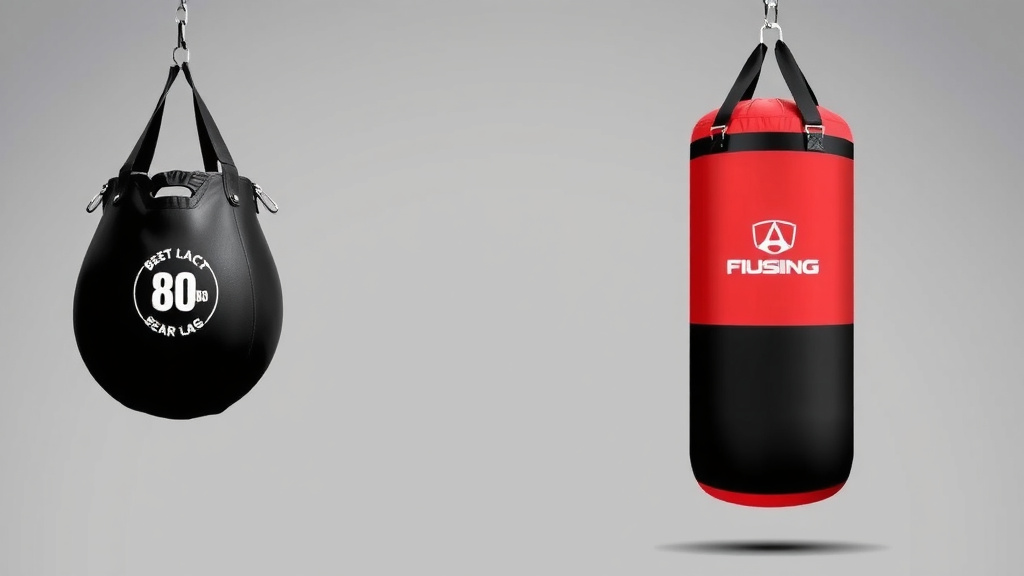
80 vs 100 lb Heavy Bag: Which is Right for You
Choosing between an 80 lb and 100 lb heavy bag really comes down to your personal training goals and current strength. A lighter 80 lb bag is great for improving speed and technique, while a heavier 100 lb bag offers more resistance for developing power and endurance. Both are excellent tools, but they serve slightly different purposes in your workout.
Many fighters and fitness enthusiasts find that the weight of the bag directly impacts the type of training they can do. Heavier bags demand more from your body, requiring you to generate more force for each strike. Lighter bags allow for quicker combinations and more dynamic movement, helping you hone your agility.
TL;DR:
- 80 lb bags are best for speed and technique.
- 100 lb bags are ideal for power and endurance training.
- Choose based on your fitness level and goals.
- Both offer great workout benefits.
Let’s break down the key differences to help you decide which heavy bag is the right fit for your home gym.
Choosing Your Heavy Bag Weight: 80 lbs vs. 100 lbs
When you’re ready to step up your training game, selecting the right heavy bag weight is a big deal. You’re looking at an 80 lb bag versus a 100 lb bag. Both can whip you into shape, but they do it in different ways. Let’s figure out which one will be your new best workout buddy.
Understanding Heavy Bag Dynamics
The weight of your heavy bag affects how it moves and how you interact with it. Think of it like a sparring partner. A lighter bag will swing more dramatically with each punch. A heavier bag will absorb more impact and move less. This difference changes the kind of workout you get. It’s not just about hitting something; it’s about how you hit it and what your body does in response.
The Physics of Impact
When you strike a heavy bag, you’re applying force. The bag’s weight plays a key role in how that force is distributed. A lighter bag will recoil more, meaning you’ll need to adjust your balance and footing more frequently. This can be great for developing quick footwork and reaction time.
On the other hand, a heavier bag offers more resistance. When you hit it, it tends to stay put more. This means your punches need to carry more power to get a satisfying “thud.” This resistance builds strength and power in your strikes. You’ll feel the difference in your shoulders and arms after a few rounds.
Bag Movement and Your Training Style
How much a bag swings can guide your training. If you want to work on landing fast combinations and keeping your distance, an 80 lb bag might be your go-to. Its lively swing encourages quick follow-up strikes and dynamic movement around the bag.
If your goal is to develop raw power and practice striking through your targets, a 100 lb bag is more suitable. It won’t move as much, forcing you to commit fully to each punch. This trains your body to generate and transfer power effectively, much like hitting a real opponent who doesn’t give much ground.
80 lb Heavy Bag: The Speed and Technique Specialist
An 80 lb heavy bag is often recommended for those focusing on speed, accuracy, and technical skills. It’s a fantastic tool for practicing fluid combinations and maintaining a quick pace during your workouts.
Benefits for Speed and Agility
With an 80 lb bag, you can throw punches faster. The bag’s lighter weight means it will swing back toward you more quickly. This allows you to practice rapid-fire punch combinations without waiting for the bag to settle. You can string together jabs, crosses, hooks, and uppercuts in a smooth, continuous flow. This kind of training sharpens your reflexes and improves your hand speed.
Studies in sports science suggest that training with lighter, more reactive equipment can enhance motor skill learning. This means your brain and body get better at coordinating movements. The 80 lb bag is like a demanding dance partner; you have to stay light on your feet and move precisely.
Focusing on Form and Accuracy
Because the 80 lb bag moves more, it forces you to be precise. If your punches are off-target or lack snap, the bag’s movement will show it. You’ll learn to throw straight, crisp punches to get the best feedback. This makes it ideal for beginners or those refining their technique. It helps you understand where to place your shots for maximum effect, without getting overwhelmed by sheer resistance.
100 lb Heavy Bag: The Power and Endurance Builder
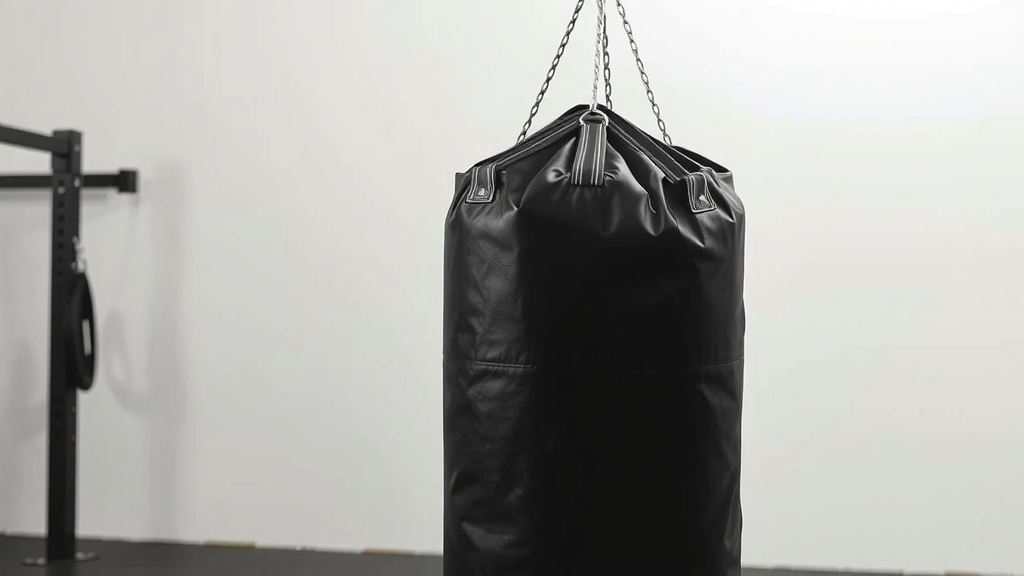
The 100 lb heavy bag is where you go when you want to build serious power, strength, and stamina. It provides a more substantial challenge, pushing your body to its limits.
Developing Striking Power
Hitting a 100 lb bag requires more force. When you connect, you’ll feel a solid impact. This resistance is key for developing the muscles involved in punching. Research shows that training against resistance helps build muscle mass and increases explosive strength (National Institutes of Health). Your shoulders, arms, and core will get a serious workout.
You’ll learn to drive your punches from the ground up. This means engaging your legs, hips, and core to transfer power. The 100 lb bag doesn’t move much, so you have to put your whole body into each strike. This trains you to deliver truly impactful blows.
Enhancing Cardiovascular Endurance
Working with a heavier bag is a fantastic cardiovascular exercise. The increased resistance means your muscles work harder, demanding more oxygen. This elevates your heart rate and keeps it there for longer periods. A typical round on a 100 lb bag can feel like a sprint. You’ll find your stamina improving significantly over time.
Many athletes use heavier bags to simulate the demands of late rounds in a fight or a prolonged intense workout. It pushes your endurance, helping you last longer and maintain your power when you’re tired. It’s a true test of your conditioning.
Making Your Final Decision: What Fits You?
So, how do you choose between these two excellent training tools? It really comes down to where you are now and where you want to go with your fitness.
Consider Your Current Fitness Level
If you’re new to heavy bag training or martial arts, an 80 lb bag might be a better starting point. It allows you to focus on learning proper form and technique without being overpowered. Trying to hit a bag that’s too heavy can lead to bad habits or even injuries.
If you’ve been training for a while and have a solid foundation of strength and technique, a 100 lb bag will offer a greater challenge. It’s for those looking to push their power and endurance to the next level. You should be able to comfortably strike an 80 lb bag before moving up.
Align with Your Training Goals
What do you want to achieve? If your primary focus is improving speed, accuracy, and technical skills for sports like boxing or kickboxing, the 80 lb bag is a great choice. It helps you develop the quick hands and footwork needed.
If you’re aiming to build raw power, increase muscle strength, or maximize your cardiovascular workout, the 100 lb bag is likely the better option. It’s excellent for general strength training, conditioning, and developing powerful, heavy-hitting strikes.
A Quick Comparison Table
Here’s a snapshot to help you compare:
| Feature | 80 lb Heavy Bag | 100 lb Heavy Bag |
|---|---|---|
| Primary Benefit | Speed, Technique, Agility | Power, Strength, Endurance |
| Bag Movement | More swing, reactive | Less swing, more stable |
| Best For | Beginners, skill refinement, fast combos | Intermediate to advanced, power development, conditioning |
| Impact Feel | Lighter, quicker rebound | Heavier, more solid impact |
Your Personal Checklist
Before you decide, ask yourself these questions:
- Do I want to improve my speed and footwork?
- Am I focused on developing raw punching power?
- What is my current strength and conditioning level?
- What are my long-term fitness or fighting goals?
- Do I prefer a bag that swings a lot or one that stays put?
- How much space do I have for the bag and my movement around it?
By answering these, you’ll get a clearer picture of which bag, the 80 lb or 100 lb, is the perfect match for your home gym and your fitness journey.
Conclusion
You’ve learned that the choice between an 80 lb and 100 lb heavy bag isn’t just about weight. It’s about targeting your specific training goals. An 80 lb bag is your partner for quick combos and sharp technique. A 100 lb bag is your challenge for building brute strength and serious stamina. Think about your current fitness and what you want to achieve next. Your perfect heavy bag awaits to help you hit your next milestone. Go ahead, make that choice and start training smarter!
Frequently Asked Questions
Can a beginner use a 100 lb heavy bag?
While possible, it’s generally recommended that beginners start with a lighter bag, like the 80 lb option. A heavier bag can make it harder to learn proper technique and may lead to bad habits or even injury if your form isn’t solid yet.
Will an 80 lb bag move too much for power training?
An 80 lb bag will certainly move more than a 100 lb bag, making it less ideal for pure power development. If your main goal is to feel that solid, thudding impact and train to punch through a stable target, the 100 lb bag is better suited for that purpose.
What happens if I choose a bag that’s too light or too heavy?
If a bag is too light for your goals, you won’t build much power. If it’s too heavy, you might develop poor technique or risk injury. The right weight ensures you get the most effective workout for your specific needs.
Is the bag’s filling material important for weight perception?
Yes, the filling material can affect how a bag feels and how it absorbs impact. While both bags are rated by weight, the type of filling can make one feel slightly different than another of the same advertised weight.
Can I switch between bag weights as I progress?
Absolutely! As your strength and technique improve, you might find yourself ready for a heavier bag. Many people start with an 80 lb bag and later upgrade to a 100 lb or even heavier option to continue challenging themselves.
![10 Best Soft Leather Messenger Bag [2026]](https://mybestreviewss.com/wp-content/uploads/2026/08/10-best-soft-leather-messenger-bag-2026-featured-768x432.jpg)
![10 Best Leather Bags Mens [2026]](https://mybestreviewss.com/wp-content/uploads/2026/09/10-best-leather-bags-mens-2026-featured-768x432.jpg)
![10 Best Designer Leather Bags [2026]](https://mybestreviewss.com/wp-content/uploads/2026/09/10-best-designer-leather-bags-2026-featured-768x432.jpg)