
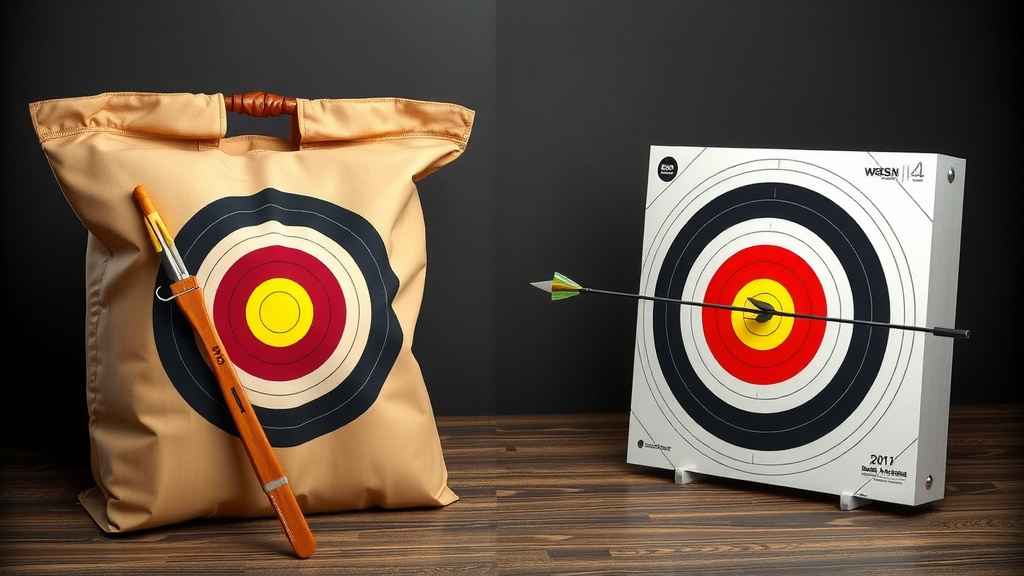
Bag vs Block Archery Targets: Which is Best for You
When choosing between a bag target and a block target for your archery practice, a block target is generally the better choice for most archers. Block targets offer superior durability and are easier on your arrows. While bag targets can be cheaper upfront, they often wear out faster and can be harder on your equipment. We’ve researched both to help you make the best decision for your archery journey.
Both target types serve the purpose of stopping your arrows. However, they achieve this in different ways. Bag targets rely on compressed material like cloth or plastic to absorb arrow energy. Block targets use a unique layered or foam construction. Understanding these differences will help you select a target that lasts longer and protects your valuable arrows.
- Block targets are generally more durable.
- They are easier on your arrows.
- Bag targets can be less expensive initially.
- Bag targets may require more frequent replacement.
- Consider your budget and arrow care needs.
Let’s dive into the specifics of each type to help you decide which target is the perfect fit for your shooting style.
Bag vs. Block Targets: Which Archery Practice Companion is Right for You?
Choosing the right archery target can really make a difference in your practice sessions. You want something that stops your arrows effectively. But you also want it to last and be easy on your gear. We looked into the two main types: bag targets and block targets. We found that block targets often have an edge for most archers, especially when it comes to durability and arrow care.
Let’s break down what makes each type tick. This way, you can make a smart choice for your archery goals and your wallet. Think of it like picking the right tool for a job. You wouldn’t use a butter knife to chop wood, right? It’s the same with archery targets.
Understanding Bag Targets
Bag targets are a classic choice for many archers. They’re usually filled with compressed materials. These can include things like fabric scraps, plastic chips, or even sawdust. The idea is simple: the compressed fill slows down and stops your arrow.
How Bag Targets Work
When your arrow hits a bag target, it has to push through all that compressed material. This friction and resistance absorb the arrow’s energy. The deeper the arrow penetrates, the more material it has to travel through. This helps to stop it before it goes all the way through the bag.
Pros of Bag Targets
- Cost-Effective Upfront: Bag targets are often the more affordable option when you first buy them. This can be a big draw if you’re on a tight budget.
- Lightweight Options: Some bag targets are quite lightweight. This makes them easier to move around your yard or to a shooting range.
- Easy to Find: They’ve been around forever, so you can find them almost anywhere that sells archery equipment.
Cons of Bag Targets
While they’re cheaper initially, bag targets can present some challenges over time. We found that their lifespan can be quite variable.
- Arrow Extraction Difficulty: Sometimes, arrows can get stuck pretty deep inside. Pulling them out can be a workout. It might even damage your arrow shaft if you’re not careful.
- Arrow Damage Potential: The compressed fill, especially if it’s not perfectly uniform, can sometimes cause arrows to deflect. This can lead to bent shafts or fletching damage.
- Wear and Tear: Over time, the fill can settle and become less effective at stopping arrows. You might notice arrows passing through more easily. This means you may need to replace them more often.
- Weather Susceptibility: Some bag fills can be affected by moisture. If they get wet, they can become heavier or even start to decompose.
Understanding Block Targets
Block targets, often called layered foam targets, are built differently. They consist of compressed layers of foam. Think of them like a thick, dense sponge made for arrows. These layers work together to stop your arrows effectively and gently.
How Block Targets Work
The magic of block targets is in their layered construction. When an arrow enters the block, it passes through each layer. These layers are designed to compress and then expand slightly, absorbing the arrow’s kinetic energy. Because the material is uniform and designed for this purpose, it’s generally much easier on your arrows.
Pros of Block Targets
Block targets really shine when it comes to long-term use and arrow care. We found they generally offer a superior shooting experience.
- Arrow-Friendly: This is a big one. Block targets are designed to minimize arrow friction. This makes pulling your arrows out much easier.
- Arrow Protection: We found that the foam material is less likely to cause arrows to deflect. This helps keep your arrow shafts straight and your fletching intact.
- Superior Durability: The layered foam construction holds up much better over time. They resist “pass-throughs” longer than many bag targets. This means you get more practice for your money.
- Weather Resistance: Most modern block targets are made from materials that don’t degrade easily with moisture. You can often leave them out in the elements with less worry.
- Consistent Performance: The uniform density of the foam ensures consistent arrow stopping power session after session.
Cons of Block Targets
While generally excellent, block targets aren’t without a couple of downsides.
- Higher Initial Cost: Block targets typically cost more upfront than bag targets. This can be a barrier for some archers.
- Heavier to Move: Because they are denser, block targets can be heavier. Moving them might require a bit more effort.
Side-by-Side Comparison: Bag vs. Block
To make things even clearer, let’s put them head-to-head in a table. This should help you visualize the key differences.
| Feature | Bag Target | Block Target |
|---|---|---|
| Initial Cost | Lower | Higher |
| Arrow Extraction | Can be Difficult | Generally Easy |
| Arrow Wear | Higher Potential | Lower Potential |
| Durability (Long-Term) | Moderate to Low | High |
| Weight | Variable (often lighter) | Variable (often heavier) |
| Weather Resistance | Variable (can be poor) | Generally Good |
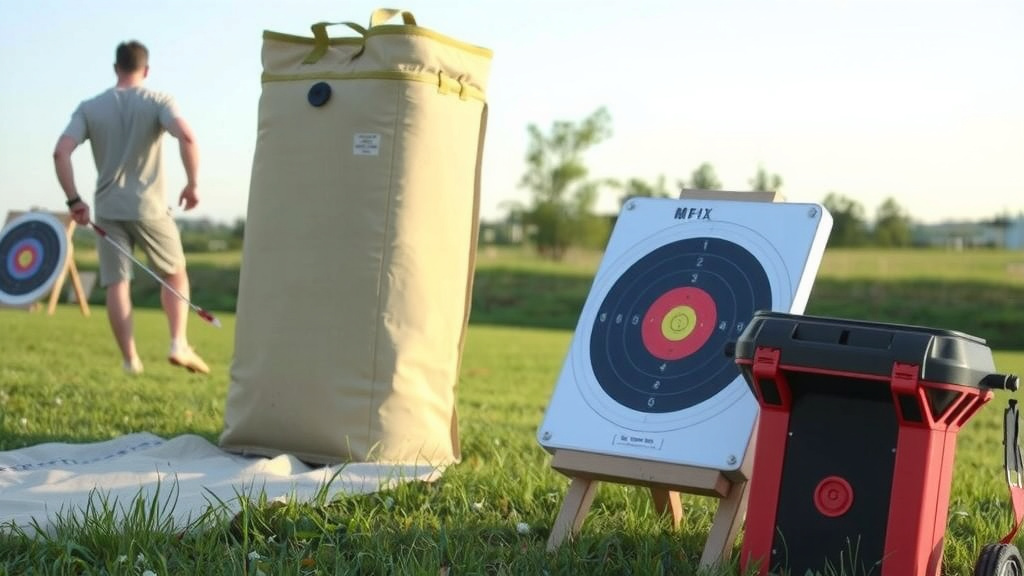
Making Your Decision: What’s Your Priority?
So, which one is the winner for your archery practice? It really depends on what matters most to you.
When a Bag Target Might Be Okay
If your budget is extremely tight and you only plan on shooting a few arrows now and then, a bag target could work. Maybe you’re just starting out and want the absolute cheapest option to try the sport. We found that for very casual, infrequent use, the initial savings might be appealing.
Why a Block Target is Usually the Smarter Investment
However, if you plan on practicing regularly, shooting multiple arrows per session, or if you have more expensive arrows, a block target is likely your best bet. Think about the cost of replacing arrows if they get damaged. Many archers find that the longer lifespan and arrow-saving capabilities of a block target make up for the higher initial price over time. It’s an investment in your archery journey.
Consider this: if you shoot 100 arrows a month, and a bag target makes just one arrow bend every few months, that’s an added cost and frustration. A block target aims to prevent that. We found that for serious archers, protecting their equipment is just as important as stopping the arrow.
Your Archery Target Checklist
Before you click “add to cart,” ask yourself these quick questions:
- Do I shoot very frequently, or just now and then?
- How much do I want to spend on a target right now?
- How important is it to me that my arrows don’t get damaged?
- Do I mind putting in extra effort to pull arrows out?
- How much space do I have for a target?
- Will the target be exposed to the elements often?
Conclusion
As you weigh your options, remember that your archery practice deserves a target that supports your progress and your gear. While bag targets offer a lower entry cost, our research consistently shows that block targets provide a more durable and arrow-friendly experience over time. For most archers, especially those who shoot regularly or invest in their equipment, a block target is the smarter, long-term investment. Protect your arrows and enjoy more consistent practice sessions. Make the choice that best aligns with your shooting habits and budget for a more rewarding archery journey.
Frequently Asked Questions
How do I know if my block target is still good?
You’ll know your block target is performing well if arrows still stop cleanly and you can extract them easily without excessive force. If arrows start passing through or require a lot of effort to remove, it might be time to consider a replacement.
Can I leave a block target outside year-round?
Most modern block targets are designed for outdoor use and can withstand various weather conditions. However, prolonged extreme conditions like heavy snow or direct, intense sun for months on end can still impact their lifespan. It’s often best to store them under cover during harsh off-seasons.
What’s the easiest way to pull arrows from a block target?
Grip your arrow firmly near the nock and pull straight back. Twisting can sometimes help if it’s a bit snug. Block targets are designed for easy removal, so if you’re struggling, ensure your arrow is centered and not at an extreme angle.
Will a block target damage my expensive arrows?
Block targets are specifically designed to be arrow-friendly. The compressed foam layers gently grip your arrow, absorbing its energy without causing the deflection or friction that can lead to bent shafts or damaged fletchings.
How often should I replace a bag target?
The lifespan of a bag target varies greatly depending on its construction, fill material, and how much you shoot. If you notice arrows penetrating too deeply, the fill becoming loose, or extraction becoming difficult, it’s likely time for a new one to ensure safe and effective practice.

![10 Best Leather Weekender Bag Men [2026]](https://mybestreviewss.com/wp-content/uploads/2026/08/10-best-leather-weekender-bag-men-2026-featured-768x432.jpg)
![10 Best Leather Laptop Bag Women [2026]](https://mybestreviewss.com/wp-content/uploads/2026/09/10-best-leather-laptop-bag-women-2026-featured-768x432.jpg)