Bagless vs Bagged Vacuum: Which Is Right for You
When deciding between a bagless vs. bagged vacuum cleaner, there isn’t one universally “better” option. The best choice for you depends on your priorities for cleaning ease and air quality.
Bagless vacuums offer convenience and cost savings by eliminating the need to buy replacement bags. Bagged vacuums, on the other hand, often provide a more hygienic dust disposal and can be better for allergy sufferers.
- Bagless vacuums are generally cheaper to operate long-term.
- Bagged vacuums offer superior dust containment for allergies.
- Emptying a bagless bin can be messy.
- Bagged vacuums require ongoing bag purchases.
- Both types come with various features and price points.
Let’s break down the pros and cons of each to help you find the perfect match for your home.
Bagged vs. Bagless Vacuums: What’s the Real Difference for Your Home?
Choosing between a bagged and a bagless vacuum cleaner feels like a big decision. You want a clean home, right? But also, who wants to deal with a dusty mess? We’ve dug into the details to help you figure out which one will make your cleaning life easier.
Understanding the Bagless Vacuum Cleaner
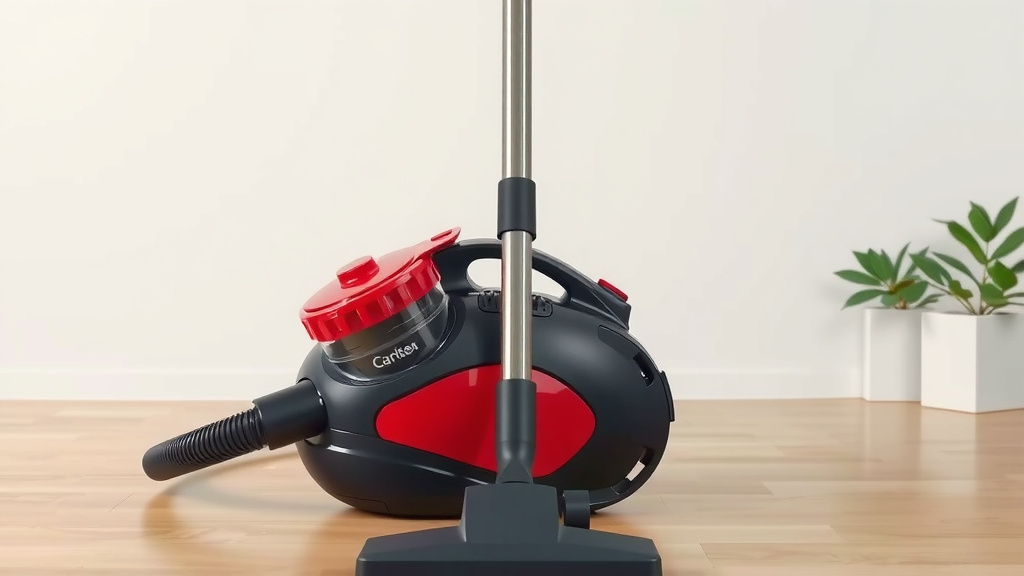
Bagless vacuums use a special canister or bin to collect dirt and debris. When the bin gets full, you simply detach it and empty it directly into the trash. This is their biggest selling point: no ongoing bag costs.
The Convenience of Bagless
Think about never having to run to the store for vacuum bags again. That’s the promise of bagless. You just pull out the dirtbin, tip it over the garbage can, and you’re usually good to go. It’s a straightforward process for most models.
We found that many users appreciate not having to worry about keeping a stock of replacement bags. It saves a trip and can add up to significant savings over time. Plus, you can easily see when the bin is getting full, so you know exactly when to empty it.
Potential Downsides of Bagless Bins
Now, let’s talk about that emptying part. While convenient in theory, emptying a bagless bin can sometimes be a dusty affair. As you tip the bin, fine dust particles can escape into the air. For people with allergies or asthma, this can be a real problem.
Some models have better designs to minimize dust release, but it’s a common complaint. You might need to hold your breath or even wear a mask. Cleaning the bin itself can also involve some wiping and rinsing, which adds to the maintenance. It’s not always as simple as just dumping it out.
Maintenance and Filtration in Bagless Models
Bagless vacuums rely heavily on their filters to capture fine dust. These filters need regular cleaning or replacement. If they aren’t maintained, the vacuum’s suction power can drop significantly. You might find yourself doing more filter maintenance than you anticipated.
We found that reports from the Cleveland Clinic suggest that good filtration is key for air quality. While many bagless vacuums have HEPA filters, their effectiveness can decrease if the filters aren’t cleaned or replaced as recommended. This is an important part of keeping your air clean and your vacuum working well.
Exploring the Bagged Vacuum Cleaner
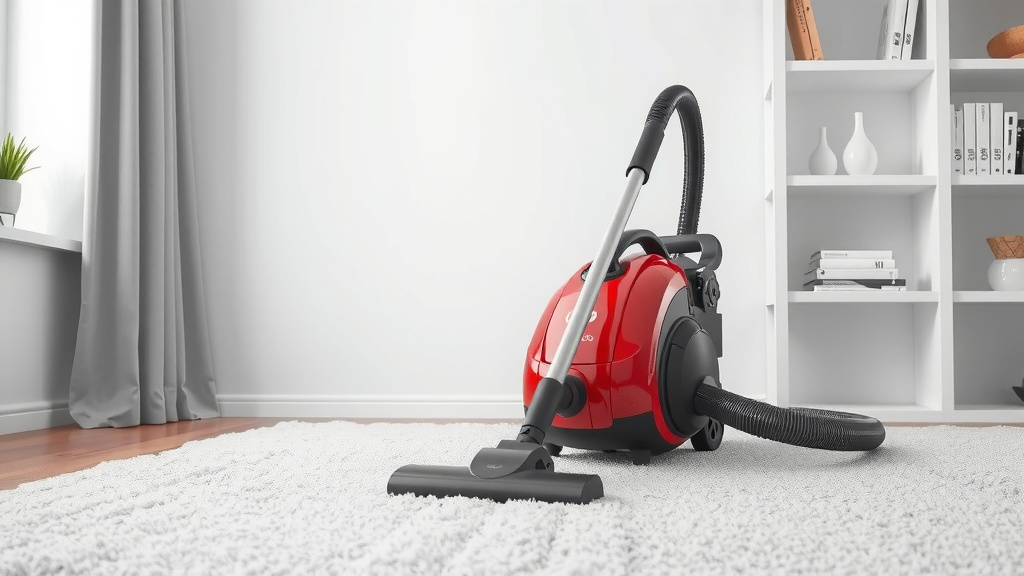
Bagged vacuums work a bit differently. They use disposable bags made of paper or cloth to collect dirt. When a bag is full, you seal it up and throw it away, then pop in a new one. The main advantage here is superior dust containment.
The Hygienic Appeal of Bagged Systems
For many, the primary reason to choose a bagged vacuum is its hygienic dust disposal. When you remove a full bag, it’s sealed and ready for the trash. This means minimal dust exposure for you and your family. It’s like a self-contained unit for all the dirt.
We found that studies, including those referenced by the Mayo Clinic, highlight the importance of reducing allergen exposure in the home. Bagged vacuums excel at this because the dirt stays locked inside the bag. This makes them a popular choice for households with allergy sufferers or respiratory sensitivities. The process is generally cleaner and more controlled.
Ongoing Costs and Bag Availability
The most obvious drawback of bagged vacuums is the need to purchase replacement bags. Over the lifespan of the vacuum, these costs can add up. You also need to make sure you can find the right bags for your specific model.
It’s a bit like buying printer ink; you know you’ll need more down the line. If you don’t keep a spare pack on hand, you might be out of luck mid-clean. We found that some users find this ongoing expense to be a significant factor in their decision-making process.
Performance and Filtration with Bags
Bagged vacuums often have a filtration system built into the bag itself, in addition to any secondary filters. This dual approach can lead to very effective dust capture. As the bag fills, it acts as an additional filter. This helps maintain strong suction for longer periods compared to some bagless models.
Many experts note that the bag can help trap allergens and fine particles before they even reach the main filter. This can extend the life of the vacuum’s internal filters. You still need to maintain those filters, of course, but the bag does a lot of the heavy lifting. This enhanced filtration is a key benefit for many.
Bagged vs. Bagless: A Quick Comparison
To help you visualize the differences, here’s a breakdown of the key points we’ve discussed.
| Feature | Bagless Vacuums | Bagged Vacuums |
|---|---|---|
| Initial Cost | Often lower, but check models. | Can be slightly higher, but varies. |
| Ongoing Cost | Minimal (filters). | Regular bag purchases. |
| Dust Disposal | Can be messy; dust can escape. | Hygienic; dust is sealed in the bag. |
| Allergy/Asthma Friendliness | Can be problematic if not managed well. | Generally better for sensitive individuals. |
| Maintenance | Frequent bin emptying and filter cleaning. | Bag replacement, occasional filter checks. |
| Ease of Use (Disposal) | Simple to empty bin, but messy. | Simple to swap bags, very clean. |
Which Type is Right for Your Needs?
So, how do you decide? Think about your priorities. If cost savings and immediate convenience are your main concerns, and you don’t have severe allergies, a bagless model might be your best bet. You’ll save money on bags over time.
However, if you or someone in your home suffers from allergies, asthma, or has other respiratory concerns, a bagged vacuum is likely the superior choice. The sealed system ensures that dust and allergens are trapped effectively. You’ll get a cleaner release of air back into your home.
Your Cleaning Checklist for Making the Choice:
- Do you have pets? (Consider models with good pet hair attachments.)
- Are allergies or asthma a concern in your household?
- What is your budget for initial purchase and ongoing costs?
- How important is ease of dust disposal to you?
- How much time are you willing to spend on maintenance?
- What type of flooring do you have (carpet, hardwood, etc.)?
By considering these questions, you can steer yourself toward the type of vacuum that will best serve your home and your health. Both technologies have come a long way, so there are excellent options in both categories.
Conclusion
Deciding between a bagless and bagged vacuum comes down to your personal needs. If budget and convenience are top priorities, and allergies aren’t a major concern, bagless might be your champion. You’ll appreciate the ongoing cost savings. However, for those battling allergies, asthma, or simply wanting the most hygienic dust disposal, a bagged vacuum offers superior containment. We found that focusing on your household’s health and your cleaning habits will guide you to the right choice. Take a moment to review your priorities and make the selection that best serves your home environment.
Frequently Asked Questions
Will a bagged vacuum always perform better than a bagless one?
Not necessarily. While bagged vacuums often excel at dust containment for allergies, modern bagless models can also offer excellent filtration. Performance truly depends on the specific model’s motor power, brush design, and filter quality. We suggest checking reviews for both types based on your floor types.
Is emptying a bagless vacuum really that messy?
It can be, depending on the design. Some bagless vacuums have advanced docking systems to minimize dust release when emptying. Others can be quite dusty, potentially aggravating allergies. We found that users with sensitivities often prefer the contained nature of bagged vacuums for this reason.
Do I have to buy expensive brand-name bags for a bagged vacuum?
Often, yes. While generic bags are sometimes available, they may not fit perfectly or offer the same filtration. Using the correct, manufacturer-approved bags is important for optimal performance and to avoid damaging your vacuum. We found that factoring in the ongoing cost of these bags is essential.
Can I use a bagless vacuum if I have pets?
Absolutely. Many bagless vacuums are designed with strong suction and specialized tools for pet hair. The key is to find a model with good filtration and to maintain it regularly by emptying the bin and cleaning the filters. We recommend looking for models specifically designed for pet owners.
Which type of vacuum is better for maintaining indoor air quality?
Generally, bagged vacuums tend to be better for maintaining indoor air quality, especially for allergy and asthma sufferers. The sealed system of a bagged vacuum traps dust and allergens more effectively during disposal. Bagless vacuums rely heavily on well-maintained filters to achieve similar results.


![10 Who Makes The Best Leather Bags [2026]](https://mybestreviewss.com/wp-content/uploads/2026/09/10-who-makes-the-best-leather-bags-2026-featured-768x432.jpg)