Bagless vs Bagged Canister Vacuums: Which is Right for You
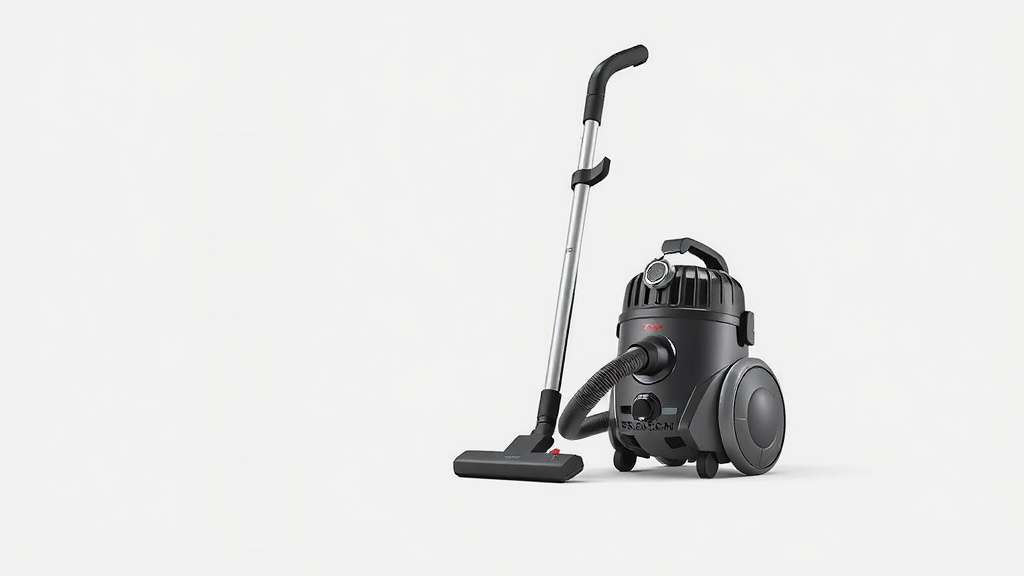
When choosing between a bagless vs bagged canister vacuum, bagless models often win for convenience and long-term cost savings, as you don’t need to buy replacement bags. Bagged vacuums excel at trapping allergens and fine dust, offering superior air filtration for sensitive households. Your best choice depends on your home’s needs and your personal preferences for cleaning and maintenance.
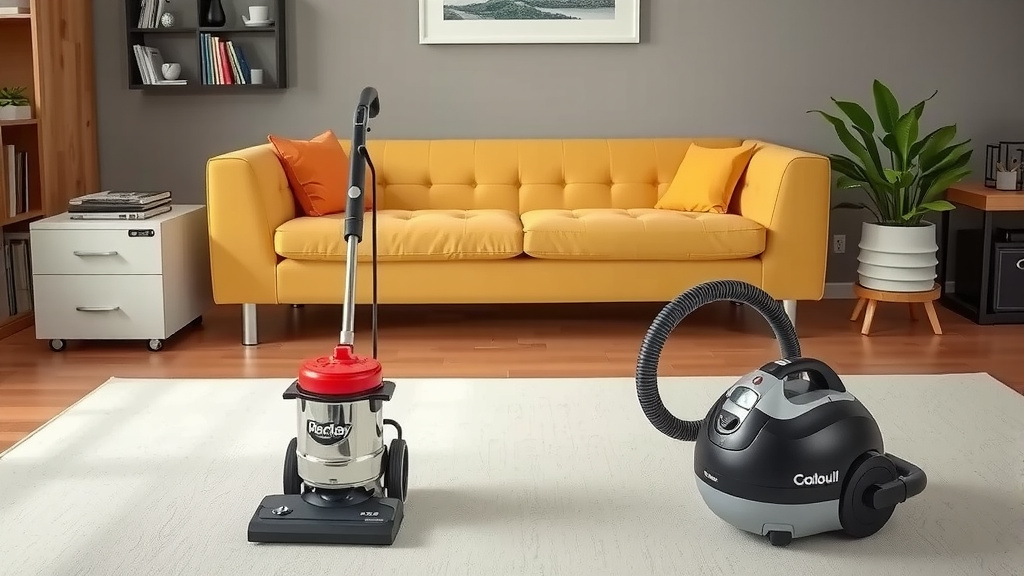
Both types of canister vacuums offer excellent suction power and maneuverability. Bagless vacuums use a bin you empty directly into the trash, which is quick and eco-friendly. Bagged vacuums require purchasing specific bags, but this can make disposal cleaner, especially for those with allergies or asthma. We found that ease of use and dust containment are key differentiators.
- Bagless vacuums are cheaper long-term (no bags to buy).
- Bagged vacuums offer better allergen control.
- Both provide strong suction and maneuverability.
- Your home’s air quality needs are important.
- Consider your personal cleaning preferences.
Let’s break down the pros and cons of each type to help you make the perfect choice for your home.
Bagged or Bagless Canister Vacuums: Which is Right for You?
So, you’re looking to upgrade your cleaning routine with a new canister vacuum. That’s fantastic! You’ve likely noticed two main types: bagged and bagless. Both have their own unique strengths. We found that understanding these differences is key to making the best choice for your home. Let’s dive in and see which one will make your cleaning days much easier.
The Case for Bagless Canister Vacuums
Bagless canister vacuums have become incredibly popular. Their main appeal is the convenience. Instead of buying and replacing bags, you simply empty a dustbin. This can save you money over time. You also don’t have to worry about running out of bags at the worst possible moment.
How Bagless Vacuums Work
Bagless models use a special container, often called a dustbin or dirt cup. As the vacuum sucks up dirt and debris, it collects it directly in this container. When the bin is full, you take it to the trash can and empty it. It’s a pretty straightforward process.
Pros of Going Bagless
- Cost-effective long-term: No ongoing cost for replacement bags.
- Eco-friendly: Reduces waste from disposable bags.
- Always ready: No need to stock up on bags.
- Easy to see fullness: You can usually tell when the bin needs emptying.
Cons to Consider
While bagless vacuums are convenient, they do have a couple of drawbacks. The main one is dust exposure when emptying the bin. If you have allergies or asthma, this can be a concern. You might stir up fine particles into the air. Also, the filters in bagless vacuums need regular cleaning or replacement. This is important for maintaining good suction power.
The Advantages of Bagged Canister Vacuums
Bagged canister vacuums have been around for a long time. They offer a different approach to dust collection. Their biggest advantage is how they handle allergens and fine dust.
Why Choose a Bagged System?
With a bagged vacuum, dirt and dust are trapped inside a sealed bag. This bag acts as a double barrier. It holds the debris securely inside. When it’s time to change the bag, you simply remove it and throw it away. This process is much cleaner for allergy sufferers.
Benefits of Bagged Vacuums
- Superior allergen control: Bags trap tiny particles effectively.
- Cleaner disposal: Less dust is released when changing bags.
- Potentially better air filtration: Many models use multi-layer bags.
Potential Downsides
The primary downside to bagged vacuums is the ongoing cost of replacement bags. You’ll need to purchase specific bags for your model. This adds to the overall expense. Also, when a bag gets full, the vacuum’s suction power can decrease. You might need to change the bag sooner rather than later.
Key Features to Compare
When you’re comparing bagged and bagless canister vacuums, several features stand out. Think about what’s most important for your cleaning tasks. We found that suction power and filtration systems are top considerations for most people.
Suction Power and Performance
Both bagged and bagless canister vacuums can offer excellent suction power. The motor size and design play a bigger role than the dust collection method. Look for vacuums with strong CFM (cubic feet per minute) ratings. This number indicates how much air the vacuum can move. Good suction means efficient cleaning on all surfaces.
Filtration Systems: A Big Difference
This is where the two types often diverge. Bagless vacuums rely on their bins and washable or replaceable filters. Bagged vacuums use the bag itself as the primary filter, often combined with HEPA filters. For those concerned about air quality, a HEPA filter is highly recommended. Many experts say HEPA filters can capture 99.97% of particles. This includes pet dander, pollen, and dust mites (CDC).
Bagless Filtration
Bagless models typically have washable or replaceable filters. These can clog over time. You’ll need to clean or replace them regularly. This is crucial for maintaining consistent suction. Some bagless vacuums also incorporate multi-stage filtration. This helps capture larger debris before it reaches the main filter.
Bagged Filtration
The bag itself is a key filtration component in bagged vacuums. High-quality bags have multiple layers. They trap dust and allergens effectively. Many bagged vacuums also include post-motor filters or HEPA filters. This provides an extra layer of protection for your indoor air. The seal of the bag is often better than a dustbin’s seal.
Maintenance and Ease of Use
How much effort do you want to put into vacuum maintenance? This is a personal preference. Both systems have pros and cons when it comes to upkeep.
Bagless Maintenance Routine
Emptying the dustbin is simple. However, you’ll need to wash filters periodically. Some filters are reusable, others need replacement. You also need to ensure the bin is completely dry before reattaching it. This prevents mold and mildew.
Bagged Maintenance Routine
The main task here is replacing the dust bag. This is usually done every 1-3 months, depending on usage. You also might need to check and clean any secondary filters. It’s a straightforward swap-out process.
Making Your Final Decision: A Quick Checklist
Choosing between bagged and bagless canister vacuums comes down to your priorities. Here’s a quick guide to help you decide:
- Are you on a tight budget for vacuum accessories? Bagless might be better.
- Do you or someone in your home suffer from allergies? Bagged vacuums are often preferred.
- Do you want the easiest dust disposal method? Bagless is usually quicker.
- Are you concerned about fine dust particles escaping into the air? Bagged can offer better containment.
- How often do you want to deep clean or replace parts? Bagless requires filter care.
- Do you want to easily see how full the dust collector is? Bagless bins are transparent.
We found that many people who struggle with allergies lean towards bagged models. Those who prioritize convenience and long-term cost savings often opt for bagless. Think about which of these factors matters most to you and your household.
Conclusion
Deciding between a bagged and bagless canister vacuum ultimately comes down to your household’s unique needs. If your priority is trapping allergens and maintaining the cleanest possible air for sensitive family members, a bagged model offers superior containment. For those seeking long-term cost savings and straightforward dust disposal, a bagless vacuum might be your ideal match. Both types deliver excellent cleaning performance. Before you buy, consider your budget for ongoing maintenance and your personal comfort with dust exposure. Take a moment to assess what matters most to your cleaning routine and your home’s health. Your perfect vacuum awaits!
Frequently Asked Questions
How often should I empty a bagless vacuum’s dustbin?
You should empty your bagless vacuum’s dustbin when it appears to be about two-thirds full. This ensures optimal suction power and prevents debris from being forced back into your home. Regularly emptying also makes the bin easier to clean.
Can bagged vacuums really filter out more allergens than bagless ones?
Yes, in many cases, bagged vacuums offer better allergen control. The sealed bag acts as an extra layer of filtration, trapping fine dust and particles effectively when you dispose of it. This minimizes dust re-release into the air.
Do I need to clean filters on both bagged and bagless vacuums?
Bagless vacuums absolutely require regular filter cleaning or replacement to maintain suction. While bagged vacuums primarily rely on the bag for filtration, many also have secondary filters that may need occasional cleaning or replacement.
Which type is generally more affordable in the long run?
Bagless vacuums are typically more affordable long-term because you avoid the recurring cost of purchasing replacement bags. Bagged vacuums require an ongoing investment in new bags, which can add up over time.
Is one type better for pet owners?
Both types can be great for pet owners, but a bagged vacuum might offer an edge if you’re highly sensitive to pet dander and odors. The sealed bag system tends to contain these more effectively during disposal. However, look for bagless models with strong multi-stage filtration and HEPA filters for excellent pet hair and dander capture.
![10 Best Leather Weekend Travel Bag [2026]](https://mybestreviewss.com/wp-content/uploads/2026/08/10-best-leather-weekend-travel-bag-2026-featured-768x432.jpg)
![10 Best Soft Leather Messenger Bag [2026]](https://mybestreviewss.com/wp-content/uploads/2026/08/10-best-soft-leather-messenger-bag-2026-featured-768x432.jpg)
![10 Best Leather Waist Bag [2026]](https://mybestreviewss.com/wp-content/uploads/2026/08/10-best-leather-waist-bag-2026-featured-768x432.jpg)