Bar Bag vs Saddle Bag Which is Best for Your Bike
Choosing between a bar bag vs. saddle bag really depends on your specific cycling needs and the type of gear you carry. A bar bag is generally best for lighter, quick-access items, while a saddle bag is ideal for bulkier essentials like repair kits or extra layers.
Many cyclists find that the placement and capacity are the biggest factors. You might use a bar bag for snacks and your phone, and a saddle bag for your tools and spare tube. Understanding their distinct advantages helps you pack smarter for any ride. We found that knowing these differences makes packing a breeze.
- Bar bags are great for small, handy items.
- Saddle bags hold more, like tools and spare tubes.
- Think about what you need easy access to.
- Consider how much storage you actually need.
Let’s break down the differences between bar bags and saddle bags so you can pick the perfect one for your bike.
Choosing Your Bike Storage: Bar Bag or Saddle Bag?
Deciding between a bar bag and a saddle bag is a common choice for cyclists. Both offer ways to carry your essentials, but they serve different purposes. We’ve looked at how each type of bag performs. Understanding their strengths helps you pick the right one for your rides. Think about what you want to carry and how easily you need to access it.
The Bar Bag: Quick Access for Everyday Items
A bar bag attaches to your handlebars. This makes it super convenient for items you need frequently. Think of your phone, snacks, or a small camera. Its placement means you don’t have to stop and get off your bike to grab something. This is a big plus on longer rides or when you’re just out for a quick spin.
What Fits in a Bar Bag?
Bar bags are usually smaller than saddle bags. They are perfect for things like:
- Your smartphone for navigation or photos.
- Energy bars, gels, or a small bag of trail mix.
- A small wallet or identification.
- Keys to your house or car.
- A small multi-tool for quick adjustments.
- Sunscreen or lip balm.
The key benefit here is easy, on-the-fly access. You can reach for your snack or check your map without breaking stride (or pedal stroke!).
Types of Bar Bags and Their Features
Bar bags come in various shapes and sizes. Some are slim and cylindrical. Others are more rectangular and boxy. Many feature multiple pockets for organization. Some even have clear phone sleeves so you can use your touchscreen.
We found that the attachment system is important. Look for sturdy straps or a klickfix system. This keeps the bag secure, even on bumpy roads. A well-designed bar bag won’t interfere with your steering or hand position. This is vital for comfortable and safe riding. Many cyclists prefer them for bike touring because they keep essentials close.
The Saddle Bag: Storage for Your Repair Kit and More
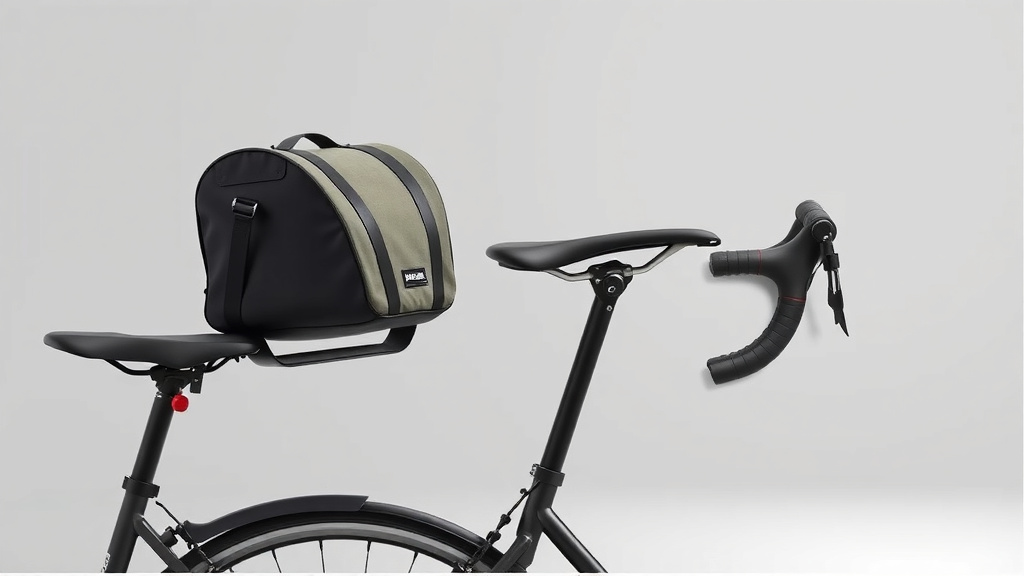
A saddle bag, also known as a seat bag, attaches under your bicycle seat. These are typically designed to carry more gear than a bar bag. They are the go-to for carrying repair essentials.
What Do You Carry in a Saddle Bag?
Saddle bags are ideal for items you hope not to use, but are wise to have. This includes:
- A spare inner tube (or two!).
- Tire levers for removing your tire.
- A CO2 inflator with cartridges or a small pump.
- A compact multi-tool for repairs.
- A patch kit for tube repairs.
- A small first-aid kit for minor scrapes.
Having these items readily available can save a ride. You can fix a flat tire and get back on the road quickly. Many riders appreciate the peace of mind they provide.
Saddle Bag Sizes and Considerations
Saddle bags vary greatly in size. You can find tiny ones that just hold a tube and levers. Then there are much larger bags that can carry a spare jacket or even a small picnic lunch. The size you need depends on your typical ride length and remoteness.
One thing to consider is rear visibility. If you plan to mount lights on your seatpost, a large saddle bag might block them. Many saddle bags have a loop or reflective strip for attaching a light. We found this to be a great safety feature. Also, ensure the bag doesn’t bounce around too much. A well-secured saddle bag stays put, even on rough terrain.
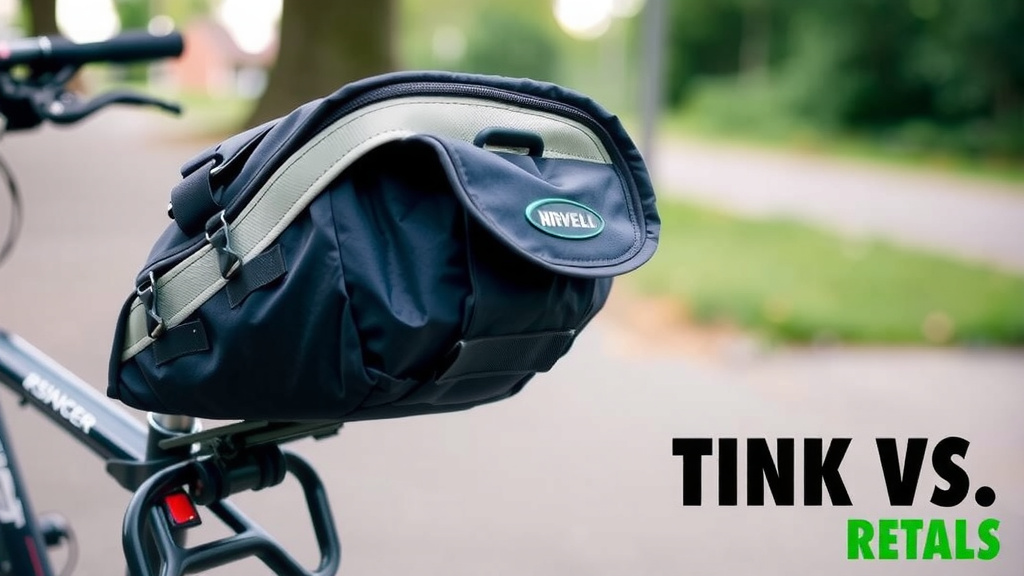
Bar Bag vs. Saddle Bag: A Direct Comparison
Let’s put them side-by-side to see where they shine. Here’s a quick comparison:
| Feature | Bar Bag | Saddle Bag |
|---|---|---|
| Primary Use | Quick-access essentials, snacks, electronics. | Repair kit, tools, extra layers, bulkier items. |
| Access Speed | Very Fast (handlebar mounted). | Moderate (requires reaching back). |
| Capacity | Generally smaller. | Can be much larger. |
| Weight Distribution | Adds weight to the front. | Adds weight to the rear. |
| Impact on Handling | Minimal if packed lightly; can affect steering if overloaded. | Minimal; can affect rear wheel traction if heavily overloaded. |
| Visibility | Can sometimes obstruct view of computer/lights. | Can block rear light visibility. |
When to Choose Which?
If you’re going for a short, casual ride around town, a bar bag might be all you need. You can keep your phone, wallet, and a snack handy. For longer rides or anything involving trails, a saddle bag becomes much more important.
Many cyclists find that using both is the best solution. You can keep your repair kit in the saddle bag and your snacks and phone in the bar bag. This way, you have storage for everything you need. Plus, you can access frequently used items without fumbling.
What About Other Bike Bags?
It’s worth noting that other bags exist too! Frame bags fit inside your bike’s main triangle and offer substantial storage. Top tube bags sit just behind your handlebars for easy snack access. Then there are handlebar roll bags, which are essentially dry bags that strap to your bars and offer huge capacity for bikepacking.
However, for basic needs, the bar bag and saddle bag are the most common choices. They offer excellent utility without requiring major bike modifications.
Your Checklist for Choosing the Right Bag
Before you buy, consider these points:
- What do you ride? Road, mountain, gravel, commuter?
- How long are your typical rides? Short spins or all-day adventures?
- What gear is essential? Just a tube, or a full repair kit and extra layers?
- Do you need quick access to anything? Like your phone or snacks?
- How much space do you realistically need? Don’t overpack!
- Will it fit your bike? Check clearance and attachment points.
By answering these questions, you’ll be well on your way to picking the perfect bag for your cycling needs.
Conclusion
Choosing between a bar bag and a saddle bag comes down to your riding style and what you need to carry. Bar bags offer convenient, quick access for essentials like your phone and snacks. Saddle bags are your workhorse for repair tools, spare tubes, and bulkier items. Many cyclists find that using both provides the ultimate flexibility for any adventure. Consider your typical ride length and the gear you absolutely can’t leave behind. You’ll find the perfect setup to keep you prepared and comfortable on every journey.
Frequently Asked Questions
Can I use a bar bag and a saddle bag at the same time?
Absolutely! Many cyclists find this to be the ideal setup. You can keep frequently needed items like snacks and your phone in the bar bag for easy access. Then, store your repair kit, spare tube, and tools in the saddle bag.
Which type of bag is better for carrying a spare tube and repair kit?
A saddle bag is generally better suited for carrying a spare tube and a full repair kit. These bags tend to be larger and are specifically designed to hold bulkier items like CO2 cartridges, tire levers, and multi-tools.
Will a bar bag affect my bike’s handling?
A bar bag’s impact on handling is usually minimal, especially if you pack it lightly. If you overload it with heavy items, it could potentially affect steering. We found that keeping electronics and snacks in there works best.
Are saddle bags safe for night riding?
Many saddle bags include reflective elements or loops for attaching a rear light, which is great for visibility. However, a very large saddle bag could potentially obstruct your seatpost-mounted light. Always check your rear visibility.
What if I need to carry more than just essentials?
If you need more capacity, consider larger saddle bags or explore other options like frame bags. Frame bags fit within your bike’s main triangle and offer substantial storage for longer trips or carrying extra layers.