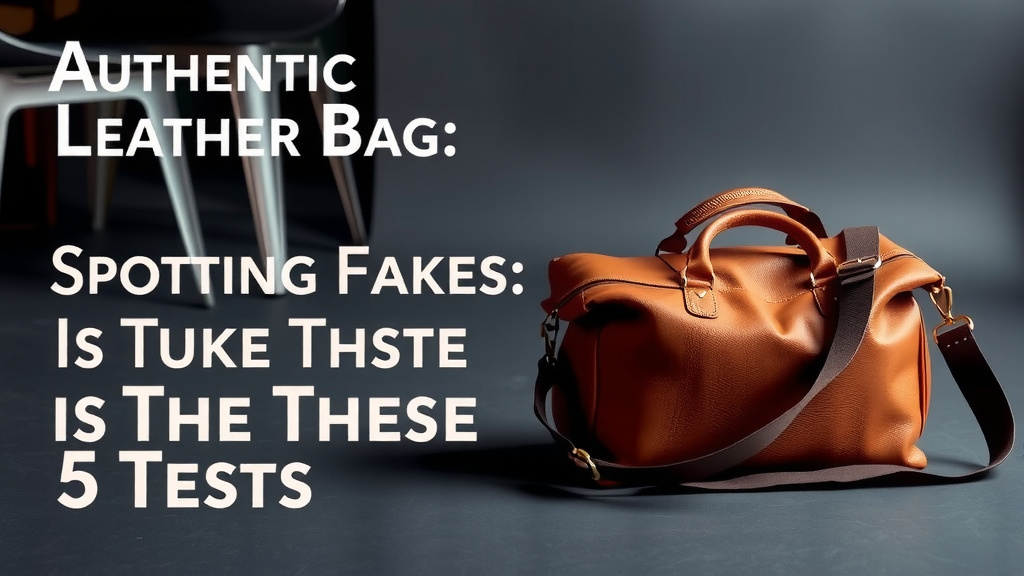
Authentic Leather Bag: Spotting Fakes With These 5 Tests
Wondering if that gorgeous bag is the real deal? You can usually tell if a bag is real leather by checking its smell, texture, and label. Genuine leather has a distinct, earthy smell and a unique, slightly irregular surface. Look for labels that explicitly state “genuine leather” or “full-grain leather” for authenticity.
Distinguishing real leather from faux alternatives can save you money and disappointment. While some synthetic materials can look convincing, they often lack the durability and distinctive characteristics of true leather. Understanding these key differences helps you make a confident purchase for your next accessory.
TL;DR:
- Smell: Real leather has a natural, earthy scent.
- Texture: It feels soft, flexible, and shows natural grain patterns.
- Label: Look for “genuine leather” or “full-grain leather.”
- Price: Real leather bags are typically more expensive.
- Weight: Often feels heavier than synthetic options.
Ready to become a leather detective? Let’s walk through exactly how to spot genuine leather so you can shop with confidence.
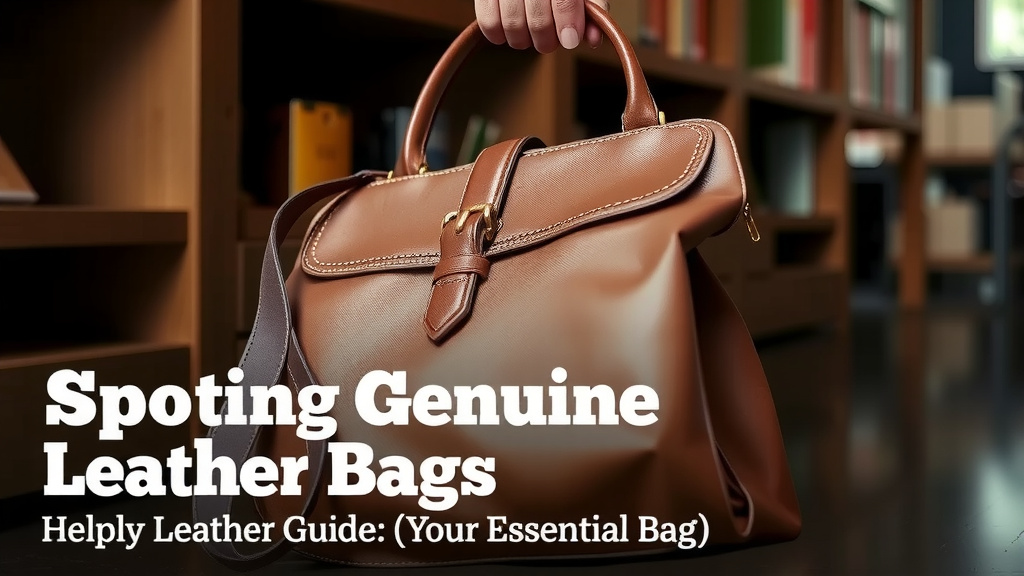
“`htmlSpotting Genuine Leather Bags: Your Essential Guide
So, you’re eyeing a beautiful bag and want to be sure it’s the real deal. It can be tricky, but we’ve got you covered. You don’t need a secret decoder ring to tell real leather from faux. We’ll walk through the tell-tale signs.
The Power of Your Senses: Smell and Touch
Your nose and fingertips are your best friends here. Real leather has a scent that’s hard to fake. Think earthy, natural, and maybe a little bit musky. It’s a distinct smell you won’t get from plastic or vinyl.
Faux leather, on the other hand, often smells like chemicals or plastic. If it smells overwhelmingly like a new car or a shower curtain, that’s a red flag. You want that authentic, natural aroma that speaks of animal hide.
What to Feel For: Texture and Flexibility
Gently touch the bag. Real leather feels supple and flexible. It might have slight imperfections, like tiny creases or variations in the grain. These aren’t flaws; they’re signs of authenticity. It feels smooth but also has a certain warmth to it.
Press down on the material. If it wrinkles easily and the wrinkles are irregular, that’s a good sign. Synthetic materials tend to be too uniform. They might feel smooth, but often they feel a bit too perfect or plasticky. They don’t quite have that organic, living feel of real leather.
Decoding the Labels and Tags
Labels are your first written clue. Always look for what the tag says. If it’s real leather, it should be clearly marked. You’ll often see terms like “Genuine Leather,” “Full-Grain Leather,” or “Top-Grain Leather.”
Be wary of vague descriptions. Terms like “man-made materials” or “PU leather” mean it’s not real leather. Sometimes, brands might try to be tricky. If a label just says “leather,” it could mean a mix or lower quality. It’s best to stick with clear, honest labeling.
Understanding Leather Grades
Not all real leather is created equal. Full-grain leather is the highest quality. It uses the entire grain layer of the hide, showing natural markings. Top-grain leather is the next best. It’s also high quality but has had the top layer buffed or sanded.
Genuine leather is a broader category. It can include lower-quality hides or pieces bonded together. While still real leather, it might not be as durable or as luxurious as full-grain or top-grain. Knowing these terms helps you understand what you’re paying for.
The Price Point: Does It Add Up?
Let’s talk money. Real leather is a natural material that requires significant processing. Because of this, bags made from it are typically more expensive. If a deal seems too good to be true for a leather bag, it probably is.
Faux leather is much cheaper to produce. Manufacturers can create synthetic materials in large quantities without the costs associated with animal hides. So, a significantly lower price can indicate a synthetic bag, not a real leather one.
Weight and Durability: A Heavier Subject
Real leather often has a noticeable weight to it. It feels substantial in your hands. This heft comes from the natural density of the material. Compare a real leather bag to a similar-sized faux leather one; you’ll likely feel the difference.
Genuine leather is also known for its durability. Over time, it develops a patina, a beautiful sheen that ages well. Faux leather, while it might look good initially, can start to peel, crack, or wear out much faster. It doesn’t have the same long-term resilience.
The Water Test (Use with Caution!)
Some experts suggest a small water test. Real leather is somewhat porous. If you put a tiny drop of water on an inconspicuous spot, it might darken slightly and be absorbed. Synthetic materials, being non-porous, will cause water to bead up and roll off.
However, we found that this test should be done with extreme care. You don’t want to damage the bag. Many real leather treatments can make the material more water-resistant. So, while it can be an indicator, it’s not a foolproof method on its own.
Quick Checklist: Is It Real Leather?
Use this quick checklist to help you decide:
- Smell Test: Does it have that distinct, natural, earthy leather scent?
- Touch Test: Does it feel soft, supple, and slightly irregular to the touch?
- Label Check: Does the tag clearly state “Genuine Leather,” “Full-Grain,” or “Top-Grain”?
- Price Reality: Is the price consistent with genuine leather products?
- Wrinkle Factor: Does the material wrinkle naturally when pressed?
- Weight Perception: Does the bag feel substantial and not overly light?
Looking Closer: Grain and Imperfections
Take a really close look at the surface. Real leather will often have natural variations in its grain pattern. You might see tiny pores or even small scars from the animal’s life. These aren’t defects; they’re marks of authenticity.
Synthetic materials usually have a very uniform, repeatable pattern. It looks too perfect, like it was stamped out by a machine. If every square inch looks exactly the same, it’s likely not real leather. Embrace those little quirks; they make your bag unique!
“`
Conclusion
You’re now equipped to be a discerning shopper! By trusting your senses – that distinct smell and supple texture – and carefully checking labels and price points, you can confidently identify genuine leather bags. Remember, those little imperfections often signal authenticity, not flaws. Use this knowledge to make smart choices and invest in accessories that will last. Happy shopping for your next beautiful, real leather find!
Frequently Asked Questions
Can a brand refuse to tell me if a bag is real leather?
Reputable brands are usually transparent about their materials. If a brand is evasive or unwilling to provide details about the leather type, it could be a red flag. You have the right to know what you’re purchasing.
What’s the difference between “genuine leather” and “full-grain leather”?
Full-grain leather is the highest quality, using the entire grain layer with natural markings intact. Genuine leather is a broader term that can include lower-quality hides or bonded pieces, though it’s still real animal skin.
If a bag is expensive, does that automatically mean it’s real leather?
While real leather is typically more expensive due to production costs, high prices alone aren’t a guarantee. Some high-end fashion brands might use very convincing faux leathers and still charge a premium. Always check other indicators.
Can I clean real leather bags the same way as faux leather?
No, you should not clean them the same way. Real leather requires specific cleaning products and conditioning to maintain its texture and prevent drying out. Faux leather can often be wiped down with a damp cloth, but harsh cleaners can damage real leather.
What if a bag has a plastic smell? Is it definitely fake?
A strong chemical or plastic smell is a very strong indicator that a bag is not real leather. Genuine leather has a distinct, natural, earthy aroma. If it smells like a shower curtain or new car interior, it’s likely synthetic.