
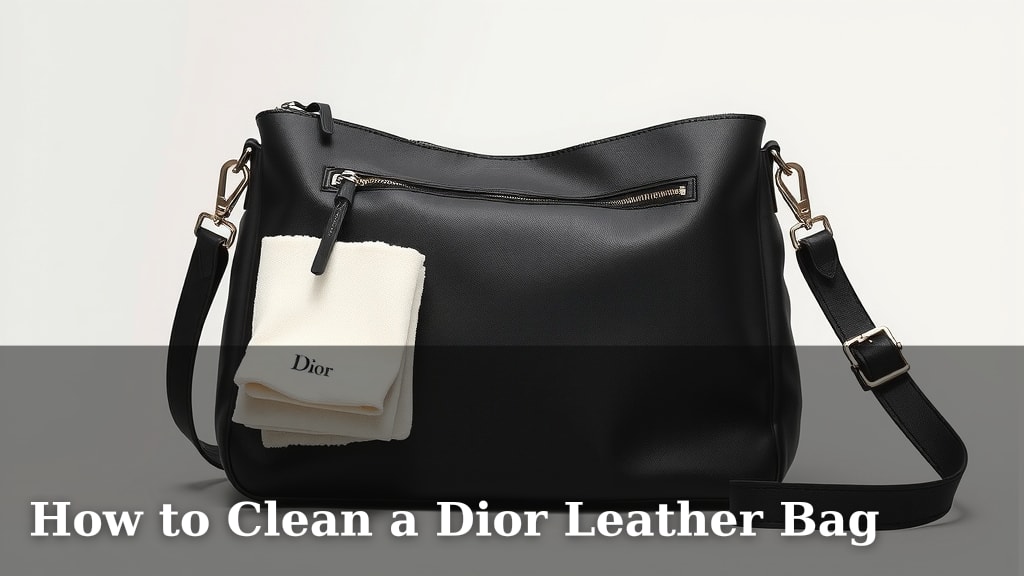
How to Clean a Dior Leather Bag
The easiest way to clean a Dior leather bag is with a gentle, damp cloth and a mild soap solution, followed by a dry wipe. Always test cleaning products on an inconspicuous spot first. This method helps remove surface dirt without damaging the fine leather of your luxury handbag.
Caring for your Dior bag ensures its beauty lasts. You want to avoid harsh chemicals that can dry out or discolor the leather. Regular, gentle cleaning is key to preserving its original sheen and preventing wear and tear.
- Gently wipe with a damp cloth.
- Use a mild soap if needed.
- Always dry thoroughly.
- Condition the leather periodically.
Ready to give your beloved Dior bag the spa treatment it deserves? Let’s walk through exactly how to do it, step by step, to keep it looking its absolute best.
Caring for Your Cherished Dior Leather Bag
Keeping your Dior bag looking its absolute best is simpler than you might think. It’s all about gentle, consistent care. We’ll guide you through the best ways to clean and maintain your leather handbag. This ensures it remains a stunning accessory for years to come.
Everyday Maintenance for Your Dior Handbag
Think of your Dior bag like a fine piece of clothing. A little bit of care goes a long way. Regular attention prevents dirt from setting in. It also keeps the leather supple and looking its best.
Daily Wiping: Your First Line of Defense
The most important step is often the simplest. After each use, give your bag a quick wipe-down. Use a clean, dry, microfiber cloth. This removes surface dust and light smudges. It’s like brushing your hair after a windy day. This habit alone makes a big difference.
Dealing with Minor Scuffs and Marks
Sometimes, a little scuff happens. Don’t panic! For many minor marks, that same dry microfiber cloth might be enough. Gently buff the area. Often, this is all you need to make it disappear. If not, we have more tricks up our sleeve.
Deeper Cleaning: When Gentle Wiping Isn’t Enough
For more stubborn dirt or stains, a slightly more involved approach is needed. The key here is to be gentle. Harsh chemicals are the enemy of fine leather. They can strip away natural oils. This leads to drying and cracking. We want to avoid that at all costs.
Gathering Your Cleaning Supplies
Before you start, make sure you have the right tools. This prevents any accidental damage. You’ll need:
- A clean, soft microfiber cloth (several are handy).
- Mild, unscented soap. Think baby soap or a specific leather cleaner.
- Distilled water. Tap water can sometimes contain minerals that leave spots.
- A small bowl.
- A clean, dry towel.
- Leather conditioner (optional, but recommended for long-term care).
Preparing Your Cleaning Solution
Mix a tiny amount of mild soap with distilled water. You want a very dilute solution. A few drops of soap in a cup of water is usually plenty. Stir it gently. You don’t want a lot of suds. We’re aiming for a solution that’s just slightly soapy.
The Spot Test: A Crucial Step
This is non-negotiable! Before you clean the whole bag, test your solution on a hidden area. The bottom corner or inside flap is perfect. Dampen a small part of your cloth with the solution. Gently dab the test spot. Let it dry completely. Check for any discoloration or damage. If it looks good, you’re ready to proceed. If not, you need a milder solution or a different cleaner.
Cleaning the Exterior Leather
Now, let’s get to the main event. Dampen a clean microfiber cloth with your prepared solution. Wring it out thoroughly. The cloth should be damp, not wet. Gently wipe the surface of your bag. Work in small sections. Use light, circular motions. Don’t scrub!
Focus on areas that show dirt. For example, the handles or bottom corners often get more attention. Be patient. It might take a few passes. Remember, you’re lifting dirt, not trying to erase it with force. If you encounter a more stubborn spot, a slightly more concentrated (but still mild) soap solution might be used after your spot test confirms it’s safe.
Drying Your Dior Bag Properly
After cleaning with the damp cloth, immediately take a clean, dry microfiber cloth. Gently pat the bag dry. Ensure all moisture is removed. Never let leather air dry after cleaning. This can lead to water spots. A thorough drying prevents damage and maintains the leather’s integrity. Think of it like patting your skin dry after a shower.
Cleaning the Interior: A Different Approach
The inside of your bag needs attention too. It can accumulate dust, crumbs, or pen marks. For fabric linings, a slightly damp cloth can often work. For stubborn stains, you might use a mild detergent. Always spot-test the interior lining first. Allow the lining to air dry completely. Avoid overloading your bag. This stretches the fabric and can damage seams.
When to Use Leather Conditioner
Leather conditioner is like moisturizer for your skin. It replenishes the natural oils in the leather. This keeps it soft, supple, and prevents cracking. We recommend conditioning your Dior bag every 6-12 months. More frequent conditioning may be needed in very dry climates.
Applying Conditioner
Use a clean, soft cloth to apply a small amount of conditioner. Gently rub it into the leather in a circular motion. Allow it to absorb for about 20 minutes. Then, buff off any excess with another clean, dry cloth. Your bag will feel wonderfully smooth!
What to Avoid
There are certain things you should absolutely never do when cleaning your Dior bag. Avoid using harsh chemicals like bleach or ammonia. Never use abrasive cleaners or sponges. Do not immerse the bag in water. Steer clear of alcohol-based products, as they can dry out the leather. Also, avoid excessive heat from blow dryers or direct sunlight when drying.
Quick Checklist for Dior Bag Care
Here’s a simple checklist to keep your Dior bag looking fabulous:
- Wipe down with a dry cloth after each use.
- Perform a spot test for any cleaning solution.
- Use a mild soap and distilled water for damp cleaning.
- Always dry the leather thoroughly with a soft cloth.
- Condition the leather every 6-12 months.
- Store your bag properly when not in use.
Conclusion
You’ve learned that keeping your Dior leather bag in pristine condition is an achievable goal with consistent, gentle care. By following the steps for daily maintenance, deeper cleaning with mild solutions, and periodic conditioning, you’re actively preserving its beauty. Remember that the key is always to be gentle and test any cleaning product first. Treat your handbag with the care it deserves, and it will continue to be a stunning accessory for you for years to come. Now, go ahead and give your beloved Dior bag the attention it’s been waiting for!
Frequently Asked Questions
What’s the best way to remove a makeup stain from my Dior bag?
For a makeup stain, start with a dry microfiber cloth to gently lift any excess. If the stain persists, use your mild soap and distilled water solution. Dab gently rather than rubbing to avoid spreading the stain. Always allow the area to air dry completely afterward.
Can I use baby wipes to clean my Dior leather bag?
It’s generally best to avoid baby wipes on fine leather. Many contain chemicals or alcohol that can be too harsh. They can strip the leather’s natural oils or cause discoloration. Stick to a dedicated mild soap and distilled water for a safer clean.
How often should I condition my Dior leather bag?
We recommend conditioning your Dior bag every 6 to 12 months. If you live in a very dry climate or notice the leather starting to feel stiff, you might need to condition it a bit more often. This helps keep the leather supple and prevents cracking.
What should I do if my Dior bag gets wet in the rain?
If your Dior bag gets wet, gently blot it dry immediately with a clean, soft cloth. Do not use heat like a hairdryer, as this can damage the leather. Allow the bag to air dry naturally away from direct heat or sunlight. Once dry, you can apply a leather conditioner.
Is it safe to use a leather cleaner from a shoe store on my Dior bag?
While some shoe cleaners might seem similar, it’s always safest to use products specifically designed for handbags or fine leather goods, or the mild soap and distilled water method. Always perform a spot test in an inconspicuous area first, as formulations can vary greatly.
![10 Best Leather Work Bags Women [2026]](https://mybestreviewss.com/wp-content/uploads/2026/08/10-best-leather-work-bags-women-2026-featured-768x432.jpg)
![10 Best Leather Duffle Bag For Travel [2026]](https://mybestreviewss.com/wp-content/uploads/2026/09/10-best-leather-duffle-bag-for-travel-2026-featured-768x432.jpg)
![10 Best Leather Tote Bag Women [2026]](https://mybestreviewss.com/wp-content/uploads/2026/08/10-best-leather-tote-bag-women-2026-featured-768x432.jpg)