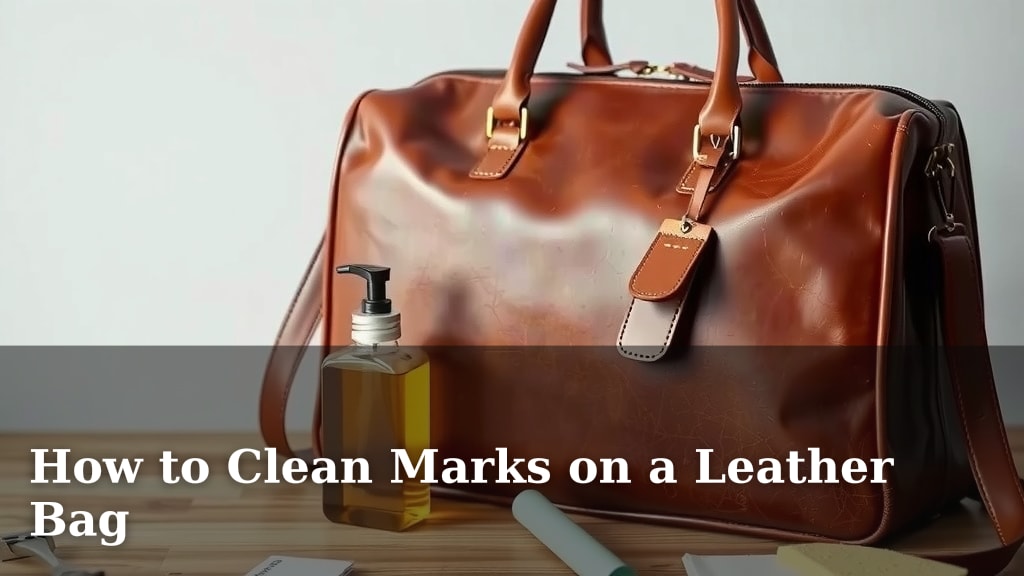
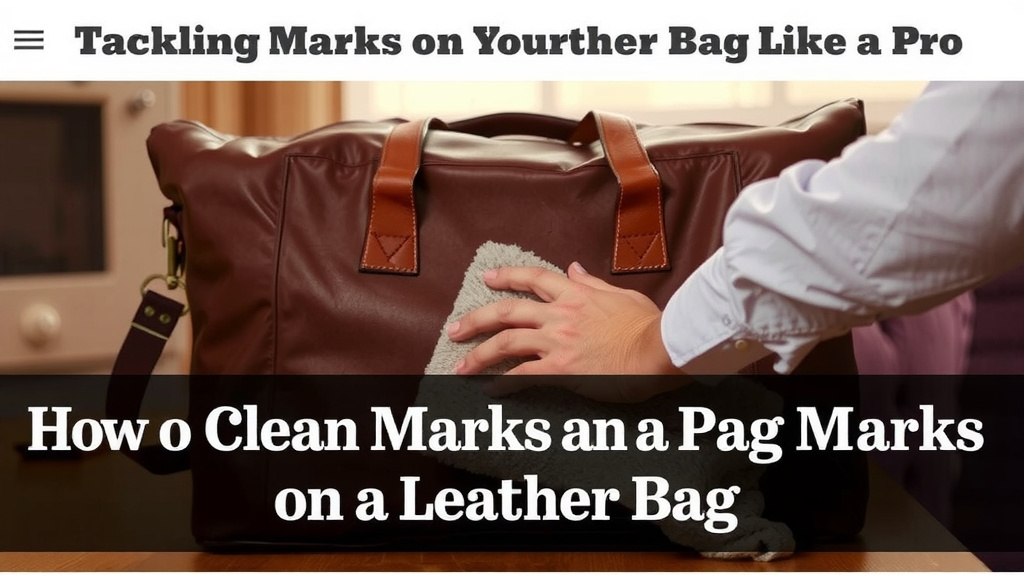
How to Clean Marks on a Leather Bag
The easiest way to clean marks on a leather bag is with a gentle, damp cloth and mild soap. For tougher stains, you might need a specialized leather cleaner. Always test any cleaning solution in an inconspicuous spot first to prevent damage. Most common marks can be tackled with simple, household items.
Leather bags are an investment, and keeping them clean helps them last longer. From accidental ink smudges to everyday grime, marks can appear surprisingly fast. We found that knowing the right techniques can make a big difference in maintaining your bag’s appearance. This guide will help you handle those inevitable blemishes with confidence.
- Use a damp cloth and mild soap for most marks.
- Test cleaners on a hidden area first.
- Specialized leather cleaners work for tougher stains.
- Act quickly to prevent stains from setting.
- Condition your leather after cleaning to keep it supple.
Below, we break down exactly how to tackle different kinds of marks on your leather bag, step by step. Let’s get your bag looking its best again!
Tackling Marks on Your Leather Bag Like a Pro
Accidents happen, and those little marks on your leather bag can feel like a disaster. But don’t worry! Most common blemishes can be cleaned effectively at home. You just need the right approach and a few gentle supplies.
We’ve found that understanding the type of mark and the leather itself is the first step. This guide will walk you through how to treat various scuffs and stains, keeping your favorite accessory looking its best.
Understanding Your Leather Type Matters
Before you grab any cleaning product, take a moment to identify your bag’s leather type. Different leathers respond to cleaning differently. Knowing this can save your bag from potential damage.
Common Leather Types and Their Care Needs
Most handbags are made from finished or corrected grain leather. This type has a protective coating, making it more durable and easier to clean. It’s also the most forgiving for everyday marks.
Other types, like aniline or nubuck, are more sensitive. They don’t have a protective coating. These require extra care and often specialized cleaners. If you’re unsure, check the manufacturer’s care tag or website. Many experts recommend avoiding water-based cleaners on untreated leathers.
The Importance of a Spot Test
This is one rule you absolutely cannot skip! Always, always test any cleaning solution on a hidden part of your bag first. A good spot is the inside lining, a bottom corner, or the underside of a flap. Wait for it to dry completely. If there’s no discoloration, damage, or adverse reaction, you’re likely good to go.
This simple step is like a small insurance policy. It prevents a minor cleaning attempt from turning into a major repair job. We found this is the most critical preparation before tackling any stain.
Simple Solutions for Everyday Grime
Life happens, and your bag will likely pick up smudges and dirt from daily use. Fortunately, many common marks can be wiped away with basic household items. The key is gentle action.
The Gentle Damp Cloth Method
For general dirt and light smudges, a slightly damp, soft cloth is your best friend. Use distilled water if possible, as tap water can sometimes leave mineral deposits.
Gently wipe the affected area. Don’t scrub aggressively, as this can push dirt deeper into the leather or damage the finish. The goal is to lift the dirt, not grind it in. For slightly tougher grime, you can add a tiny drop of mild, pH-neutral soap (like a gentle hand soap or baby soap) to the damp cloth.
After wiping with the soapy cloth, go over the area again with a clean, damp cloth to remove any soap residue. Then, let your bag air dry completely away from direct heat or sunlight.
Dealing with Water Spots
Water spots can be tricky. If your bag gets wet, blot it immediately with a dry cloth. If spots form as it dries, you might try dampening the entire panel of leather evenly with a clean, damp cloth. This helps blend the spot and prevent defined edges from forming.
Allow the bag to dry naturally. Some experts suggest this even drying technique can minimize the appearance of water stains. Remember, consistent conditioning after drying is key for water-treated leather.
Tackling Specific Stain Types
Different stains require different treatments. Knowing what you’re up against helps you choose the right method. Acting quickly is always your best bet!
Ink Stains: A Delicate Operation
Ink can be one of the toughest stains. For fresh ballpoint pen marks, some recommend using a cotton swab dipped in isopropyl alcohol. Dab very gently, working from the outside of the stain inward.
Be extremely cautious with this method. Alcohol can strip color and damage the leather finish. Always test this on a hidden area first. If it’s a stubborn or old ink stain, it’s often best to consult a professional leather cleaner. Many sources recommend avoiding hairspray, as it can contain ingredients that damage leather.
Grease and Oil Marks: Blot, Don’t Rub
Grease or oil stains are best treated by absorbing the excess oil. Do not rub, as this will spread the stain. Instead, immediately blot the area with a clean, dry cloth.
Then, try applying an absorbent powder like cornstarch or baking soda directly onto the stain. Let it sit for several hours, or even overnight. The powder should absorb the oil. Gently brush off the powder. Repeat if necessary. We found this method particularly effective for fresh oil marks.
Dye Transfer from Clothing
This often happens when dark, non-colorfast clothing rubs against lighter leather. For light dye transfer, try the gentle damp cloth and mild soap method first. If that doesn’t work, a specialized leather cleaner might be needed.
Some leather care products are designed to remove superficial dye transfer. Always follow the product instructions carefully and perform a spot test. This type of stain can be persistent, so patience is key.
When to Call in the Professionals
While many stains are manageable at home, some situations call for expert help. If your bag is made of delicate, untreated leather (like aniline or suede), or if the stain is large, old, or of unknown origin, professional cleaning is wise.
Leather restoration specialists have the tools and knowledge to handle challenging stains without damaging your bag. They can assess the damage and use tailored treatments. Sometimes, trying to fix a tough stain yourself can cause more harm than good. Many luxury brands recommend professional cleaning for significant issues.
Post-Cleaning Care: Conditioning is Key
After cleaning any mark, especially if you used soap or a specialized cleaner, your leather needs some TLC. Cleaning can strip away some of the natural oils in the leather.
Why Conditioning is Non-Negotiable
Conditioning helps restore moisture and flexibility to the leather. This keeps it from drying out, cracking, and becoming brittle. Think of it like moisturizing your skin after a shower.
Use a good quality leather conditioner. Apply a small amount to a clean, soft cloth. Gently rub it into the leather in a circular motion. Allow it to absorb for the time recommended on the product, then buff off any excess with another clean cloth. Conditioning also adds a layer of protection against future marks.
Your Quick Checklist for Cleaning Marks
- Identify your leather type first.
- Always perform a spot test in an inconspicuous area.
- Use a damp cloth and mild soap for general grime.
- Blot grease stains; don’t rub them.
- Let the leather air dry naturally.
- Condition after cleaning to restore moisture.
Conclusion
You’ve learned that cleaning marks on your leather bag doesn’t have to be daunting. By understanding your leather type and always testing cleaners first, you can tackle most everyday grime with simple household items. For tougher stains like ink or grease, acting fast and using the right absorbent or cleaning agent is key. Remember, gentle action is always your best approach. After cleaning, don’t forget to condition your bag to keep its leather supple and protected. Your next step is to gather your mild soap and a soft cloth, ready for any little accidents.
Frequently Asked Questions
What’s the best way to remove scuffs from a leather bag?
For light scuffs, often a damp cloth with a tiny amount of mild soap works wonders. Gently wipe the scuffed area and then buff with a dry cloth. If the scuff is stubborn, consider a specialized leather cleaner designed for your bag’s material after a spot test.
Can I use baby wipes to clean my leather bag?
Generally, it’s best to avoid baby wipes as they can contain chemicals that might dry out or damage the leather’s finish. A soft cloth with distilled water and a drop of mild soap is a much safer bet. Always perform a spot test first if you decide to try any product.
How often should I condition my leather bag?
You should aim to condition your leather bag every 6 to 12 months, depending on how often you use it and the climate. If you live in a very dry or sunny climate, or if your bag is exposed to the elements frequently, you might need to condition it more often.
What should I do if my leather bag gets wet?
If your leather bag gets wet, the first thing to do is blot it gently with a clean, dry cloth to absorb as much moisture as possible. Then, let it air dry completely away from direct heat or sunlight. Avoid using a hairdryer, as this can cause the leather to crack or stiffen.
Is it safe to use rubbing alcohol on leather?
Rubbing alcohol can be very drying and may strip the color or finish from your leather bag. While some sources suggest it for very specific, fresh ink stains with extreme caution and a spot test, it’s generally not recommended for regular cleaning. Specialized leather cleaners are a safer choice.

![10 Best Hanging Wash Bag Leather [2026]](https://mybestreviewss.com/wp-content/uploads/2026/09/10-best-hanging-wash-bag-leather-2026-featured-768x432.jpg)
![10 Best Leather Luxury Bag [2026]](https://mybestreviewss.com/wp-content/uploads/2026/09/10-best-leather-luxury-bag-2026-featured-768x432.jpg)