
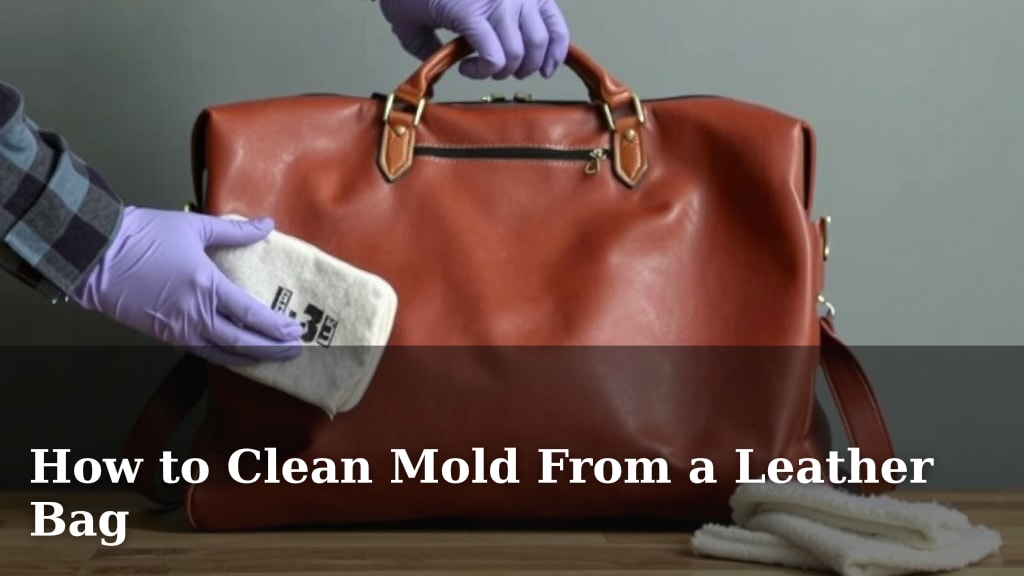
How to Clean Mold From a Leather Bag
The easiest way to clean mold from a leather bag is with a mild soap and water solution. You can also use a diluted white vinegar mixture for tougher spots. Act quickly to prevent mold from damaging your bag permanently.
Mold can show up on your favorite leather items surprisingly fast. Humidity and lack of air circulation are common culprits. Knowing how to tackle it promptly can save your bag. We’ve found that a gentle approach is usually best for leather.
TL;DR:
- Mix mild soap with water or use diluted white vinegar.
- Test a hidden spot first.
- Gently wipe away mold.
- Condition the leather afterward.
- Store bags in a dry, airy place.
Ready to get your bag looking its best again? Let’s walk through exactly how to clean that pesky mold, step by step.
Tackling Mold on Your Leather Bag: A Step-by-Step Guide
Mold can appear on your leather bag like an unwelcome guest. Don’t panic! We’ve found that with the right approach, you can often rescue your beloved accessory. The key is to act quickly and gently. Leather is a natural material, and it needs careful handling.
Understanding the Mold Problem
Mold thrives in dark, damp, and humid environments. Think about where your bag usually sits. Is it a stuffy closet or a damp basement? These conditions are perfect for mold spores to multiply. Once mold sets in, it can not only stain your bag but also damage the leather over time. It’s important to address it before it becomes a deeper issue.
Why Does Mold Grow on Leather?
Leather is an organic material. Like any organic matter, it can support the growth of mold and mildew when exposed to the right conditions. Moisture is the biggest culprit. This could come from humidity in the air, spills, or even sweat. If your bag is stored in a poorly ventilated space, the moisture can get trapped, creating an ideal breeding ground for mold.
The Risks of Ignoring Mold
Ignoring mold on your leather bag is like ignoring a small leak in your roof. It might not seem like a big deal at first, but it can lead to serious damage. Mold can eat away at the leather fibers, causing discoloration and weakening the material. In severe cases, it can leave permanent stains and odors. Many experts advise that early intervention is the best way to prevent irreversible damage (CDC).
Gathering Your Cleaning Supplies
Before you begin, make sure you have everything you need. Having your supplies ready will make the cleaning process smoother. You don’t want to stop halfway through and realize you’re missing something vital.
What You’ll Need
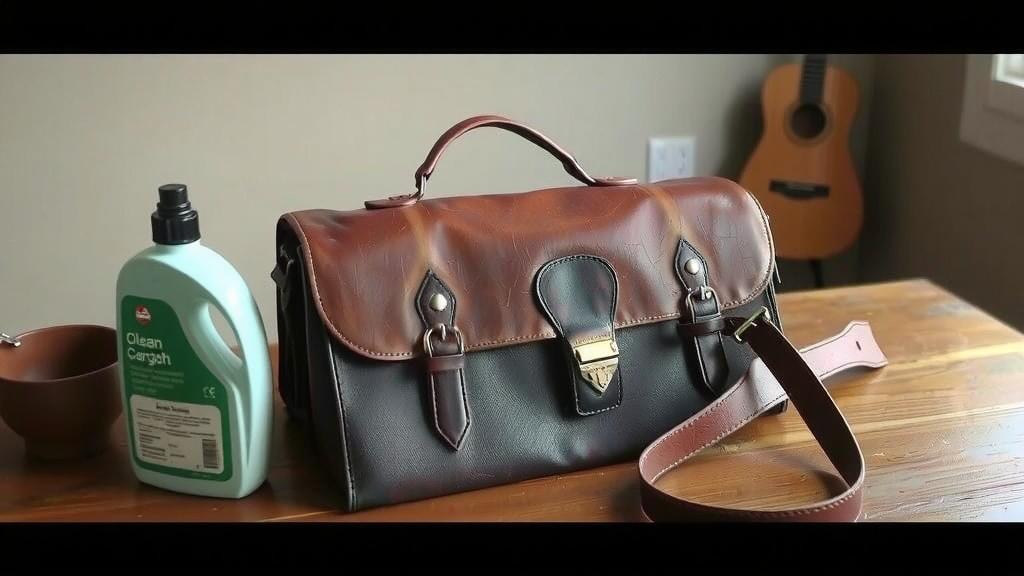
- A bowl for your cleaning solution.
- Soft, clean cloths (microfiber is great for this).
- Mild soap (like a gentle dish soap or specialized leather cleaner).
- Water.
- White vinegar (optional, for tougher spots).
- A conditioner for leather.
- A dry, well-ventilated area to work.
The Gentle Cleaning Process: Step-by-Step
This is where the magic happens! We’ll guide you through cleaning the mold off your leather bag safely and effectively. Remember, patience is key. Don’t scrub too hard, as you could damage the leather.
Step 1: The Spot Test is Crucial
Always start by testing your cleaning solution in an inconspicuous area. This is usually on the bottom or inside a flap of the bag. Apply a small amount of your chosen cleaner. Let it sit for a few minutes, then wipe it off. Check for any discoloration or damage to the leather. If it looks good, you’re ready to proceed!
Step 2: Preparing Your Cleaning Solution
For most mold issues, a simple solution works wonders. Mix a small amount of mild soap with cool water in your bowl. You want a very dilute solution, not a lot of suds. Think of it like washing your hands; you don’t need a mountain of foam. If the mold is stubborn, you can use a 1:1 mixture of white vinegar and water. Vinegar is a natural disinfectant that can help kill mold spores.
Step 3: Wiping Away the Mold
Dip a clean cloth into your solution and wring it out thoroughly. The cloth should be damp, not soaking wet. Gently wipe the moldy areas on your bag. Work in small sections, moving from the mold spot outward. For tougher spots, you might need to go over them a couple of times. Avoid saturating the leather, as excess moisture can cause more problems.
Step 4: Rinsing the Area
After you’ve removed the visible mold, you’ll want to rinse the area. Dampen another clean cloth with plain water. Again, wring it out well. Gently wipe down the areas you cleaned. This removes any residue from the soap or vinegar solution. It’s important to get all the cleaning agents off the leather surface.
Step 5: Drying Your Bag Properly
This step is vital for preventing mold from returning. Never use a hairdryer or place the bag in direct sunlight to dry. These methods can cause the leather to crack or fade. Instead, allow your bag to air dry completely in a well-ventilated room, away from heat. You can stuff it with plain paper (not newspaper, as the ink can transfer) to help it keep its shape while drying.
Step 6: Conditioning the Leather
Once the bag is completely dry, it’s time to restore its suppleness. Leather can become dry after cleaning. Apply a good quality leather conditioner according to the product’s instructions. This will help replenish the natural oils in the leather, keeping it soft and preventing cracks. It also adds a protective layer.
Preventing Future Mold Growth
Now that you’ve saved your bag, let’s talk about keeping it mold-free. Prevention is always easier than treatment, right? A few simple habits can make a big difference.
Proper Storage is Key
Store your leather bags in a cool, dry, and well-ventilated area. Avoid humid basements, steamy bathrooms, or tightly packed closets. If you live in a humid climate, consider using silica gel packets inside your bags. These little packets absorb moisture. Many experts recommend storing leather in breathable dust bags rather than plastic ones. This allows air circulation (NIH).
Regular Cleaning and Inspection
Give your leather bags a quick wipe-down every few weeks. Check for any signs of moisture or potential mold spots. Addressing small issues early can save you a lot of trouble down the line. Think of it like brushing your teeth; regular care prevents bigger problems.
Be Mindful of Spills and Moisture
If your bag gets wet from rain or a spill, dry it off immediately with a clean cloth. Don’t let it sit damp. If you carry items that might leak, consider using a waterproof pouch inside your bag. This adds an extra layer of protection.
When to Seek Professional Help
While many mold issues can be resolved at home, some situations might require expert attention. If the mold is extensive, deeply ingrained, or if you’re hesitant about cleaning it yourself, a professional leather cleaner can help. They have specialized tools and knowledge for handling delicate materials like leather. They can also assess the extent of the damage and offer the best solutions.
Mold Removal Checklist
Here’s a quick rundown to ensure you’ve covered all your bases:
- Test cleaning solution on a hidden spot first.
- Use a mild soap and water or diluted vinegar solution.
- Wipe mold gently with a damp cloth.
- Rinse the cleaned area with plain water.
- Allow the bag to air dry completely.
- Condition the leather after it’s dry.
Conclusion
You’ve now learned how to effectively tackle mold on your cherished leather bag. Remember, acting fast and using a gentle approach are your best defenses. By following the steps for cleaning and implementing preventative storage habits, you can keep your leather looking its best for years to come. Don’t let mold get the best of your favorite accessory! Take these tips to heart and give your bag the care it deserves.
Frequently Asked Questions
Can mold on a leather bag be completely removed?
Yes, in most cases, mold can be completely removed from a leather bag with proper cleaning. The key is to address it as soon as you notice it. If the mold has been present for a long time or has deeply penetrated the leather, some slight discoloration might remain.
How often should I condition my leather bag after cleaning mold?
After cleaning mold and allowing the bag to dry completely, it’s a good idea to condition it within a week. You should then continue to condition your leather bag every 3-6 months, or whenever it feels dry, to maintain its suppleness and protect it.
Is white vinegar safe to use on all types of leather?
White vinegar is generally safe when diluted and used sparingly for mold removal. However, it’s always best to perform a spot test on an inconspicuous area first. If you have a very delicate or unfinished leather, you might want to stick to a mild soap solution or consult a professional.
What if the mold smell lingers even after cleaning?
If a musty odor persists after cleaning and drying, you can try placing an open box of baking soda or a bowl of activated charcoal inside the bag for a few days. Ensure the bag is completely dry before doing this. You can also try airing it out in a well-ventilated area for an extended period.
Can I use rubbing alcohol to clean mold off my leather bag?
It’s generally not recommended to use rubbing alcohol on leather, as it can be too harsh. Rubbing alcohol can strip the natural oils from the leather, leading to dryness, cracking, and discoloration. Stick to milder solutions like diluted soap or vinegar for cleaning.
![10 Best Buy Leather Laptop Bags [2026]](https://mybestreviewss.com/wp-content/uploads/2026/09/10-best-buy-leather-laptop-bags-2026-featured-768x432.jpg)