Bag vs Luggage: What’s the Difference You Need to Know
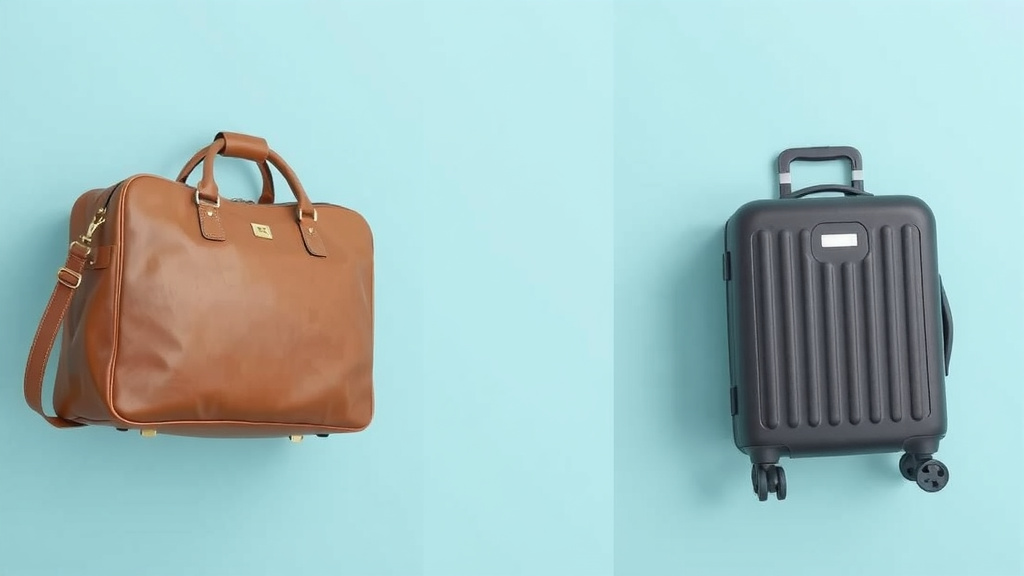
When choosing between a bag vs luggage, the main difference is size and intended use. Generally, a bag is smaller and used for daily carrying or short trips, while luggage refers to larger, wheeled cases designed for longer travel. Think of your everyday tote or backpack as a bag, and your suitcase as luggage.
Understanding this distinction helps you pack smarter for any trip. We found that using the right type of carrier can make a huge difference in your travel experience. Whether you’re heading to the gym or going on vacation, the correct choice means easier transport and better organization. Many travelers mistakenly use one for the other, leading to packing woes.
- Bags are typically smaller for daily use.
- Luggage is larger, often wheeled, for travel.
- Bags are versatile for short trips or work.
- Luggage is built for carrying more items on longer journeys.
- Choosing the right one prevents packing headaches.
Let’s break down the key differences and help you decide which is best for your next adventure.
Understanding Your Travel Carryall: Bag vs. Luggage Explained
So, you’re packing for a trip. You grab your gear and head to your closet. Do you reach for a duffel bag or a wheeled suitcase? This choice might seem small, but it’s key to a smoother journey. We’ve found that understanding the difference between a ‘bag’ and ‘luggage’ makes all the difference.
What Exactly is a Bag?
Think of a ‘bag’ as your everyday workhorse. It’s generally smaller and more adaptable. You use it for carrying things on a daily basis or for quick excursions. Your gym bag, a canvas tote, or even a stylish crossbody purse would fall into this category. They’re designed for convenience and accessibility.
Daily Use Bags
A backpack is a prime example of a daily use bag. You might use it for work, school, or even a day hike. Its purpose is to hold essentials like a laptop, books, water bottle, or snacks. These bags often have multiple compartments for organization. They keep your hands free, which is a big plus.
Short Trip Bags
For overnight stays or weekend getaways, a duffel bag or a smaller carry-on bag often does the trick. These are larger than your daily backpack but still manageable. They’re perfect when you don’t need to pack a whole lot. You can usually toss them in the back seat or overhead compartment without a fuss.
Defining Luggage: Your Travel Companion
Now, let’s talk about ‘luggage.’ This term usually refers to larger travel cases. They are specifically built to hold a significant amount of clothing and belongings for longer trips. The most common types are suitcases, often equipped with wheels and a retractable handle.
The Evolution of Luggage
For decades, travelers hauled heavy trunks. Then came the invention of wheels on luggage. This was a true game-changer for travelers. It made moving heavy items much easier. Modern luggage often features spinner wheels that allow for 360-degree movement. This makes navigating crowded airports a breeze.
Types of Luggage
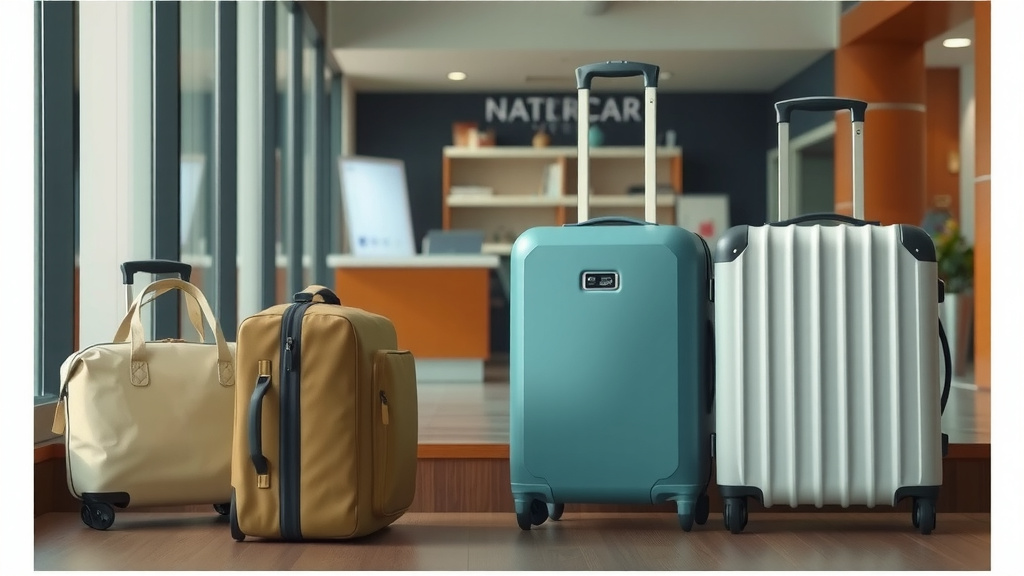
Luggage comes in various forms. The most familiar is the hard-shell suitcase. These offer great protection for fragile items. Then there’s the soft-sided suitcase, which can sometimes offer more flexibility for packing. Both typically come in different sizes like carry-on, medium checked, and large checked.
| Feature | Bag | Luggage |
|---|---|---|
| Size | Smaller, compact | Larger, spacious |
| Purpose | Daily carry, short trips, work | Extended travel, vacations |
| Portability | Carried by hand, shoulder strap, backpack straps | Wheeled, retractable handle for pulling/pushing |
| Capacity | Holds essentials | Holds multiple outfits and travel necessities |
| Durability | Varies, often less robust | Built for travel wear and tear, often more protective |
When to Choose Luggage Over a Bag
If your trip involves staying away from home for more than a few days, luggage is likely your best bet. Think about a week-long vacation or a business trip requiring multiple outfits. Luggage offers the space you need without resorting to an overly stuffed bag. It also tends to be more organized for longer stays.
When a Bag is Perfectly Suitable
On the flip side, bags shine for shorter excursions. A weekend trip to visit family? A bag might be all you need. Going to the gym or for a day of errands? A bag is the obvious choice. They are lighter and often easier to manage when you don’t need to carry much.
Making the Right Choice for Your Needs
The core difference boils down to capacity and intended use. A bag is for the everyday and the quick jaunt. Luggage is for when you need to pack more for a more extended period. We’ve seen many travelers struggle with an overstuffed duffel for a week-long trip. It becomes awkward to carry and unpack.
Packing Smart: A Quick Checklist
Before you grab your gear, consider these points:
- Trip Duration: How many days will you be gone?
- Type of Travel: Is it business, leisure, or a short visit?
- Items Needed: Will you need many outfits or just essentials?
- Transportation: Will you be carrying it often or rolling it?
- Space: How much room do you realistically need?
Conclusion
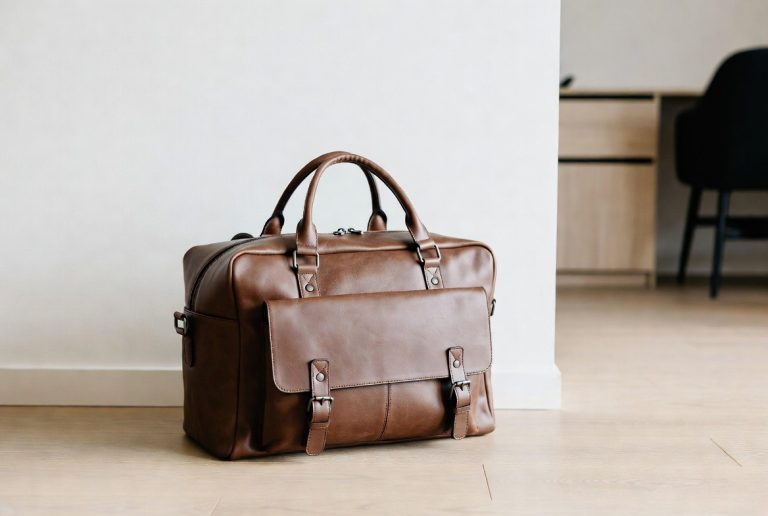
Ultimately, deciding between a bag and luggage comes down to the essentials: your trip’s length and what you need to carry. We’ve found that using the right gear makes travel so much more enjoyable. For daily errands or short overnight trips, a versatile bag keeps your essentials handy and your hands free. When your adventures extend beyond a couple of days, opting for dedicated luggage provides the space and protection you need. Before your next journey, take a moment to assess your needs. For daily errands or short overnight trips, a versatile leather tote can keep your essentials handy.
Think about how much you’ll pack and how you’ll be moving around. Choose wisely, and you’ll experience smoother travel and less stress. Your perfect travel companion is just a choice away!
Frequently Asked Questions
Can I use a large duffel bag as my only piece of luggage for a week-long trip?
While a large duffel bag can technically hold enough for a week, we’ve found it can become unwieldy. It might be harder to carry, harder to pack efficiently, and harder to find items within compared to a suitcase. Consider how much you’ll need to carry and how easily you want to access your belongings.
Is a backpack considered luggage?
Generally, a backpack is classified as a bag, especially when used for daily commutes or short trips. However, some larger, more structured travel backpacks designed for extended travel might function similarly to carry-on luggage. The key difference remains its primary design and how you carry it.
What’s the main benefit of using wheeled luggage?
The biggest advantage of wheeled luggage is its portability. It significantly reduces the strain of carrying heavy items through airports, train stations, or city streets. This makes navigating busy travel hubs much easier on your body.
When should I choose a soft-sided suitcase over a hard-shell one?
Soft-sided suitcases often offer more flexibility, especially if you tend to overpack. They can sometimes expand slightly to fit more items. We’ve also found they can be a bit lighter than hard-shell counterparts. However, hard-shell luggage generally offers better protection for fragile items.
Can a carry-on bag ever be considered luggage?
Yes, a carry-on bag is a specific type of luggage. It’s designed to fit in the overhead compartment of an airplane, typically measuring around 22 inches tall. While smaller than checked luggage, it serves the purpose of transporting belongings for travel.
![10 Best Paint For Leather Bags [2026]](https://mybestreviewss.com/wp-content/uploads/2026/08/10-best-paint-for-leather-bags-2026-featured-768x432.jpg)
![10 Best Way To Store Leather Bags [2026]](https://mybestreviewss.com/wp-content/uploads/2026/08/10-best-way-to-store-leather-bags-2026-featured-768x432.jpg)