
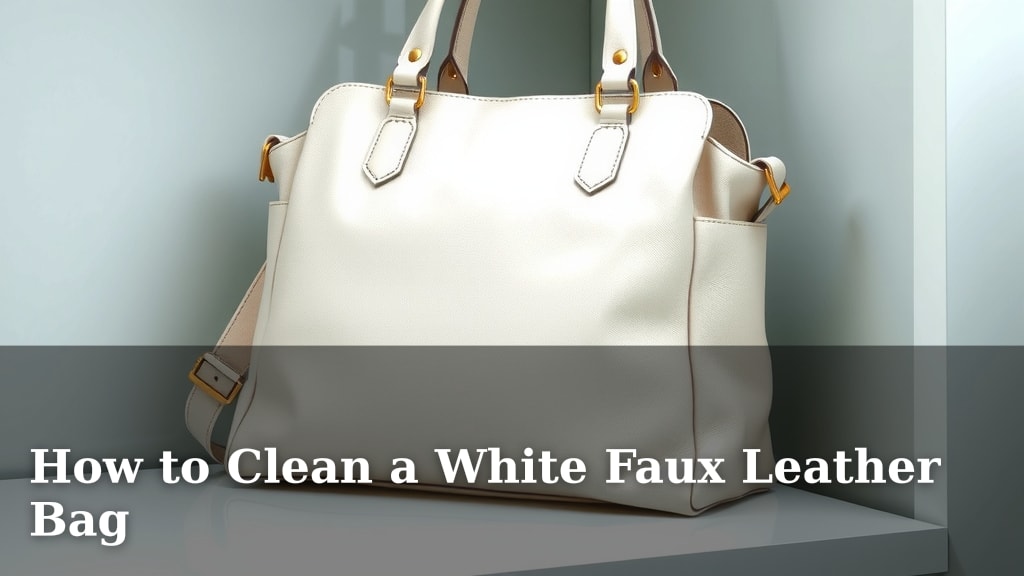
How to Clean a White Faux Leather Bag
The easiest way to clean a white faux leather bag is with a mild soap and water solution. You can gently wipe away most everyday dirt and grime. For tougher spots, a touch of rubbing alcohol can work wonders. Always test a small, hidden area first to ensure it doesn’t damage the material.
Keeping your white faux leather bag looking its best involves a bit of care. Many cleaning products can actually cause damage or discoloration. Understanding the right methods will help preserve its look for longer. We found that consistent, gentle cleaning is key.
TL;DR:
- Use a mild soap and water for general cleaning.
- Rubbing alcohol can tackle stubborn stains.
- Always spot test in an inconspicuous area.
- Avoid harsh chemicals that can cause damage.
- Gentle, regular cleaning is best.
Let’s walk through exactly how to get your white faux leather bag sparkling clean, step by step.
Your white faux leather bag is a statement piece, but sometimes it can feel like a magnet for dirt and scuffs. Don’t worry, though! Keeping it looking pristine is totally achievable. We’ve found that the key is using the right techniques and avoiding harsh chemicals that can do more harm than good. Let’s get your bag looking like new again.
Caring for Your White Faux Leather Bag
Maintaining the bright white of your faux leather bag is simpler than you might think. With a few gentle methods, you can tackle everyday messes and tougher stains without damaging the material. We researched common cleaning solutions and found that consistency is your best friend.
Gathering Your Cleaning Supplies
Before you start, make sure you have the right tools on hand. Having everything ready makes the cleaning process smooth and efficient. You won’t need a lot of fancy products, just a few household staples.
- Mild liquid soap: Dish soap or a gentle hand soap works well.
- Clean, soft cloths: Microfiber cloths are ideal as they are non-abrasive.
- Lukewarm water: Never use hot water, as it can damage faux leather.
- Rubbing alcohol (isopropyl alcohol): For stubborn marks, but use with caution.
- Cotton swabs: Helpful for targeting small stains.
- Optional: Faux leather conditioner: To restore moisture after cleaning.
The Basic Cleaning Routine
For everyday dirt and light smudges, a simple soap and water solution is your go-to. This is the gentlest way to clean your bag. It’s like giving your bag a quick, refreshing bath.
Making the Cleaning Solution
Mix a few drops of mild liquid soap with about a cup of lukewarm water. You want just enough soap to create a gentle lather. Too much soap can leave residue. We found that a 1:10 soap-to-water ratio is usually perfect.
Wiping Down the Bag
Dampen a clean, soft cloth with your soap and water mixture. Wring it out thoroughly so the cloth is just damp, not wet. Gently wipe down the entire surface of your bag. Work in small sections, using circular motions. This helps to lift dirt without spreading it.
Rinsing and Drying
After cleaning, use a separate clean cloth dampened with plain water to wipe away any soap residue. Again, wring out the cloth well. Finally, dry your bag immediately with a dry, soft cloth. Don’t let it air dry if you can help it; this prevents water spots.
Tackling Stubborn Stains
Sometimes, life happens, and you end up with a tougher stain. Don’t panic! There are specific methods to handle these without harming your bag.
Ink Marks and Pen Stains
Ink can be tricky, but rubbing alcohol can often lift it. Always test this first on an inconspicuous area of your bag, like the bottom or inside of a pocket. If the material doesn’t discolor or peel, proceed. Dip a cotton swab into rubbing alcohol. Gently dab at the ink stain, working from the outside in. Don’t rub aggressively, as this can spread the ink. Repeat with a clean part of the swab until the stain is gone. Follow up by wiping the area with a damp cloth and then drying thoroughly.
Grease and Oil Stains
For greasy marks, cornstarch or baking soda can work wonders. Apply a small amount of cornstarch or baking soda directly onto the stain. Let it sit for a few hours, or even overnight. The powder will absorb the oil. Then, gently brush off the powder. If a faint mark remains, you can try the mild soap and water method again. Many cleaning guides suggest this absorption technique for grease.
Scuffs and Dark Marks
Light scuffs can sometimes be removed with a gentle magic eraser (melamine foam sponge). Use it very lightly and with minimal pressure. You can also try a pencil eraser for small, minor scuffs. Again, test in a hidden spot first. For slightly more persistent scuffs, a little rubbing alcohol on a cotton swab might help, just as with ink stains.
What to Avoid
Just as important as knowing what to do is knowing what *not* to do. Certain products can seriously damage faux leather, turning a simple cleaning task into a costly mistake.
- Harsh chemicals: Avoid bleach, acetone, nail polish remover (unless used carefully on tiny spots with alcohol), or strong degreasers. These can break down the faux leather.
- Abrasive cleaners: Scrub brushes or abrasive pads will scratch and damage the surface.
- Excessive water: Soaking the bag can lead to peeling or separation of the material.
- Heat: Never use a hairdryer on high heat or leave your bag in direct sunlight for extended periods. Heat can warp or crack the material.
Conditioning Your Faux Leather Bag
Faux leather, while not real leather, can still benefit from a bit of moisture. After cleaning, especially if you used rubbing alcohol, applying a faux leather conditioner can help keep it supple and prevent cracking. Apply a small amount to a clean cloth and gently rub it into the material. Allow it to absorb before buffing off any excess. This step is like giving your bag a nice moisturizer.
Quick Checklist for a Sparkling Bag
Here’s a handy checklist to make sure you’ve got everything covered:
- Gathered mild soap, water, and soft cloths.
- Tested any stronger cleaning agent on a hidden spot.
- Wiped down with a damp, soapy cloth.
- Rinsed away soap residue with a clean, damp cloth.
- Dried the bag thoroughly with a dry cloth.
- Considered conditioning the material.
Conclusion
You’ve learned that keeping your white faux leather bag looking its best doesn’t require harsh chemicals. We found that a simple routine of mild soap and water is your best defense against everyday dirt. For those tougher marks, a targeted approach with rubbing alcohol or absorbent powders can work wonders, as long as you test first. Remember, gentle care and consistent cleaning are the keys to preserving your bag’s pristine appearance. Now, go ahead and give your bag the refresh it deserves!
Frequently Asked Questions
How often should I clean my white faux leather bag?
We recommend a quick wipe-down after each use to remove surface dust and dirt. A more thorough cleaning with soap and water can be done weekly or whenever you notice visible marks. This consistent care prevents grime from setting in.
Can I use baby wipes to clean my bag?
While convenient, baby wipes often contain chemicals that might not be suitable for faux leather and could cause discoloration over time. We found that a DIY mild soap and water solution is safer and more effective for your bag’s material.
Will colored denim transfer onto my white faux leather bag?
Yes, dark denim can unfortunately transfer color onto white faux leather. To prevent this, try to avoid prolonged contact. If transfer does occur, address it immediately using the rubbing alcohol method we discussed, after spot testing.
Is it safe to store my faux leather bag in a plastic bag?
It’s generally not recommended. Plastic bags can trap moisture, which may lead to material degradation or a musty odor. We suggest storing your bag in a breathable dust bag or cotton pillowcase to keep it protected and allow airflow.
What if the faux leather starts to peel?
Peeling usually indicates that the material is degrading, often due to harsh chemicals or excessive heat. Unfortunately, peeling faux leather is difficult to repair. Prevention through gentle cleaning and avoiding damaging conditions is the best approach.
![10 Best Paint For Leather Bags [2026]](https://mybestreviewss.com/wp-content/uploads/2026/08/10-best-paint-for-leather-bags-2026-featured-768x432.jpg)
![10 Best Leather Quality Bags [2026]](https://mybestreviewss.com/wp-content/uploads/2026/08/10-best-leather-quality-bags-2026-featured-768x432.jpg)
![10 Best Quality Leather Laptop Bags [2026]](https://mybestreviewss.com/wp-content/uploads/2026/08/10-best-quality-leather-laptop-bags-2026-featured-768x432.jpg)