How to Condition a Leather Bag at Home
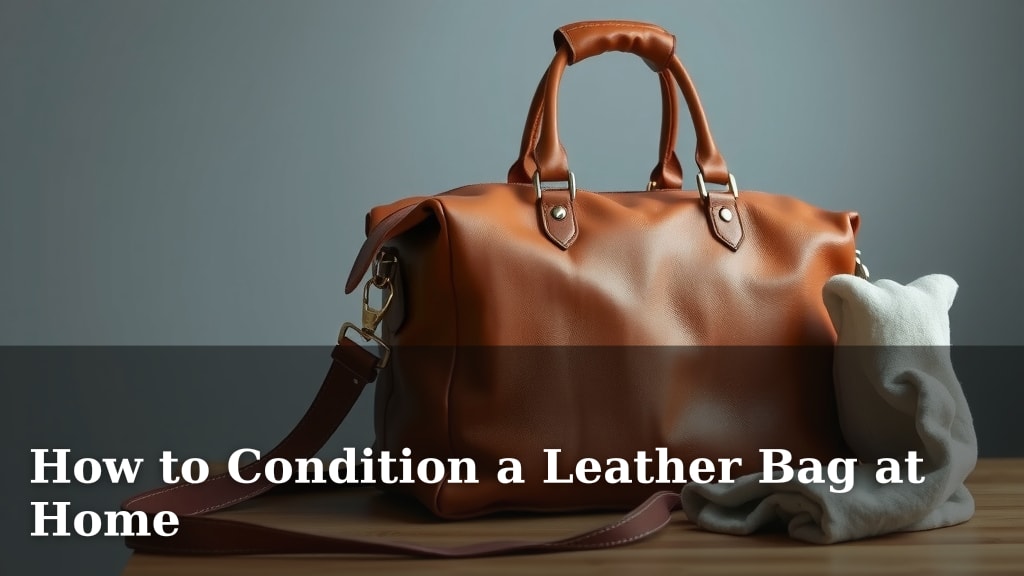
Yes, you can absolutely condition your leather bag at home to keep it looking great. Doing this regularly helps prevent cracking and keeps the leather soft and supple. Think of it like giving your bag a nice moisturizing treatment!
Leather conditioning is key to maintaining the longevity and appearance of your favorite leather goods. When leather dries out, it can become stiff and prone to damage, but a good conditioning routine can reverse that. It’s a simple process that makes a big difference.
- Clean your bag first.
- Choose the right conditioner.
- Apply sparingly and evenly.
- Let it absorb, then buff.
- Condition a few times a year.
Ready to give your leather bag some TLC? Let’s walk through exactly how to condition it step by step.
Caring for Your Leather Bag: A Simple Conditioning Guide
Your leather bag is more than just an accessory; it’s a companion that carries your essentials. To keep it looking its best and feeling soft for years, regular conditioning is a must. This process replenishes the natural oils in the leather, preventing it from drying out and becoming brittle.
Think of it like moisturizing your own skin. When your skin is dry, it feels tight and can show fine lines. Leather is similar. Conditioning helps it stay supple, flexible, and resistant to damage. It’s a rewarding task that you can easily do at home.
Why Leather Needs Conditioning
Leather is a natural material, derived from animal hides. These hides contain natural oils that keep the leather soft and pliable. Over time, especially with exposure to heat, sunlight, and dry air, these oils can evaporate. This leads to the leather drying out, becoming stiff, and potentially developing cracks.
Conditioning essentially replaces these lost oils. It helps to restore the leather’s natural moisture balance. This not only keeps the leather looking good but also improves its durability. A well-conditioned bag is less likely to scratch or tear.
The Benefits of Regular Conditioning
- Prevents Cracking: Dry leather is prone to cracking. Conditioning keeps it hydrated and flexible.
- Restores Suppleness: It helps maintain that soft, luxurious feel.
- Protects Against Elements: Conditioning can create a slight barrier against moisture and dirt.
- Enhances Appearance: It can revive a dull finish and bring back a healthy sheen.
- Extends Lifespan: A properly cared-for bag can last for decades.
Gathering Your Supplies for Leather Conditioning
Before you start, make sure you have everything you need. Having your supplies ready makes the process smooth and efficient. You don’t need a lot of fancy equipment.
What You’ll Need
- Leather Conditioner: Choose a product specifically designed for the type of leather your bag is made from.
- Soft Cloths: You’ll need a couple of clean, lint-free cloths, like microfiber or old cotton t-shirts.
- Soft Brush (Optional): A horsehair brush can be useful for dusting and gentle buffing.
- Mild Soap and Water: For the initial cleaning step, if needed.
Choosing the Right Conditioner
This is a critical step. Not all leather conditioners are created equal. Some are heavy and can darken lighter leathers, while others might be too light for very dry, older bags. Research the type of leather your bag is made from (e.g., full-grain, top-grain, suede, nubuck). Most handbag manufacturers provide care instructions for their products.
For general-purpose leather bags, a good quality cream or lotion conditioner is usually a safe bet. Many products contain natural ingredients like beeswax or lanolin, which are excellent for nourishing leather. Always do a spot test in an inconspicuous area first to ensure it doesn’t alter the color or finish.
The Step-by-Step Conditioning Process
Now for the actual conditioning. It’s a straightforward process that requires a gentle touch and a bit of patience. Remember, the goal is to nourish the leather, not to saturate it.
Step 1: Clean Your Bag Thoroughly
You can’t effectively condition a dirty bag. Dust, dirt, and grime can get trapped in the leather’s pores, preventing the conditioner from penetrating properly. This can also lead to a muddy or uneven finish.
Start by emptying your bag completely. Use a dry, soft cloth to wipe down the entire exterior. For stubborn spots or general grime, you can dampen a cloth with a little water and a drop of mild soap (like a gentle hand soap). Wipe the bag down, then use a separate, clean damp cloth to remove any soap residue. Allow the bag to air dry completely. This is very important; never use heat to speed up drying, as it can damage the leather.
Step 2: Apply the Conditioner
Once your bag is clean and completely dry, it’s time to apply the conditioner. Take a small amount of conditioner onto a clean, soft cloth. You only need a little; a little goes a long way. Rub the cloth in a circular motion to distribute the conditioner evenly.
Apply it in thin, even coats. Don’t glob it on. Focus on one section at a time. Work the conditioner into the leather gently. Pay special attention to areas that might be drier or more prone to stress, like the bottom, straps, and corners. Avoid getting too much conditioner on hardware.
Step 3: Allow It to Absorb
After applying the conditioner, you need to let it soak into the leather. This is where patience comes in. The recommended absorption time can vary by product, but typically, you’ll want to let it sit for at least 15-30 minutes. Some manufacturers suggest longer periods, up to a few hours.
During this time, the leather is drinking up the nourishing oils. You might notice the color deepen slightly; this is usually temporary. Resist the urge to touch or wipe it during this absorption period. Let the conditioner do its work undisturbed. This ensures the oils penetrate the leather effectively.
Step 4: Buff Away Excess
Once the absorption time is up, take a clean, dry cloth and gently buff the entire surface of the bag. Use light, circular motions. This step removes any excess conditioner that the leather hasn’t absorbed and helps to bring out the natural sheen.
Buffing also ensures a uniform finish. If you notice any streaky areas, gently buff them until they disappear. You can use a soft brush for this as well, especially for textured leather. The goal is a smooth, even finish without any sticky residue.
How Often Should You Condition Your Leather Bag?
The frequency of conditioning depends on several factors. These include the type of leather, how often you use the bag, and the climate you live in. A general rule of thumb is to condition your bag two to four times a year.
If you live in a very dry climate or use your bag daily, you might need to condition it more frequently, perhaps every 2-3 months. For bags that are used less often or stored in humid environments, once or twice a year might be sufficient. Always check the leather; if it feels dry, looks dull, or is starting to stiffen, it’s time for conditioning.
Important Considerations for Different Leather Types
While the general process is the same, some leather types require special care. Always follow the manufacturer’s specific instructions if available.
Suede and Nubuck
These leathers have a napped finish and are more delicate. Traditional creams and lotions can flatten the nap and leave a greasy residue. For suede and nubuck, you’ll typically use a specialized suede brush and a suede cleaner or protector spray. Avoid liquid conditioners unless they are specifically formulated for these types of leather.
Exotic Leathers
Leathers like snakeskin, crocodile, or ostrich have unique textures and require specific care products. These often need specialized conditioners designed to clean and protect the scales and patterns without clogging them. Again, check manufacturer guidelines and use products labeled for exotic leathers.
Finished vs. Unfinished Leather
Finished leather has a protective coating, making it more resistant to stains and easier to clean. Unfinished leather, like aniline or semi-aniline, is more natural and absorbent. Unfinished leathers often require more frequent conditioning and are more susceptible to staining. Always use a conditioner tested for your specific leather type.
A Quick Checklist for Conditioning Success
Want a handy reminder? Keep this checklist by your bag!
- Empty your bag completely.
- Wipe down with a dry, soft cloth.
- Spot-test your conditioner in an hidden area.
- Apply conditioner in thin, even layers.
- Allow the bag to absorb conditioner for 15-30 minutes.
- Gently buff with a clean, dry cloth.
Conclusion
You’ve learned that conditioning your leather bag at home is a simple yet effective way to maintain its beauty and extend its lifespan. By following the steps of cleaning, applying conditioner, allowing absorption, and buffing, you’re providing your bag with the essential moisture it needs. Regular conditioning prevents dryness, cracking, and keeps your bag feeling soft and looking its best for years to come. Your leather companion deserves this care, and the process is easier than you might think. Now, go ahead and give your favorite bag that much-needed refresh!
Frequently Asked Questions
What if my leather bag looks too dark after conditioning?
It’s common for leather to temporarily darken slightly after conditioning. This usually resolves as the conditioner fully absorbs and dries. If the darkening persists or is uneven, you may have used too much product or the conditioner isn’t suitable for your leather type. Try buffing gently with a clean, dry cloth to remove excess.
Can I use any lotion or hand cream on my leather bag?
It’s best to avoid regular lotions or hand creams. These products often contain ingredients that can harm leather, such as alcohol or silicones, or might leave a greasy residue. Always opt for a conditioner specifically formulated for leather goods to ensure safe and effective care.
My bag feels stiff, is it too late to condition it?
Not at all! If your bag feels stiff, it’s a clear sign it needs conditioning. Conditioning is precisely what will help restore its suppleness and prevent further damage. Just be sure to use a good quality leather conditioner and follow the application steps carefully.
How do I know if I’ve used too much conditioner?
If your bag feels sticky or greasy to the touch after conditioning and buffing, you’ve likely used too much product. It can also appear splotchy or overly shiny. In this case, gently buff the bag again with a clean, dry cloth to remove the excess and allow it to dry completely.
Should I condition the inside of my leather bag too?
Generally, you only need to condition the exterior of your leather bag. The interior lining is usually made of fabric or synthetic materials that don’t require conditioning. Focusing on the exterior protects the material itself from drying out and cracking.