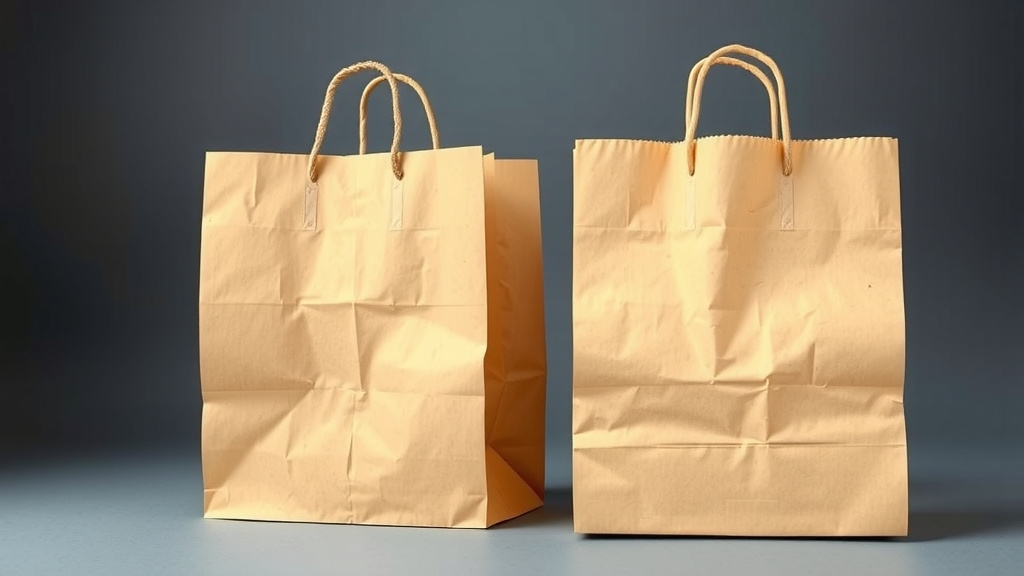
Paper Bags vs Plastic Bags: Which is Greener?
When deciding between paper bags and plastic bags, paper bags are generally the better choice for the environment. This is because they are made from renewable resources and are more biodegradable than plastic. While both have their pros and cons, understanding these differences helps you make a more informed decision for your daily needs. We’ve looked into the facts to help you choose wisely.
Making the switch to reusable options is always a great idea. But if you must choose between single-use bags, understanding the lifecycle of both paper and plastic is important. Paper bags often have a higher initial carbon footprint due to manufacturing. However, their ability to break down more easily in landfills and their recyclability give them an edge over persistent plastic. It’s a trade-off that impacts our planet differently.
- Paper bags are biodegradable and made from trees.
- Plastic bags take hundreds of years to decompose.
- Both can be recycled, but paper is often easier.
- Reusable bags are the most eco-friendly option.
Let’s break down the advantages and disadvantages of each type of bag, so you can see which one aligns best with your priorities.
Paper vs. Plastic: Which Bag Is Better for Your Needs?
When you’re standing at the checkout counter, you might not give it much thought. Just grab a bag! But research and found that the choice between paper and plastic has a surprisingly big impact. We’re here to help you understand the real difference, beyond just what you’re carrying your groceries in.
Both paper and plastic bags have their own stories, from where they come from to where they end up. Many studies show that the environment feels these differences. Let’s unpack the pros and cons so you can feel good about your choice.
Understanding the Environmental Footprint of Paper Bags
Paper bags seem like the natural choice, right? They come from trees, after all. We found that this renewable aspect is a big plus for paper. Trees can be replanted, helping to keep our forests healthy.
The Manufacturing Process: Energy and Resources
It’s true that making paper bags uses energy. The process of turning trees into pulp and then into bags requires water and power. Some research indicates that the initial carbon footprint for paper can be higher than for plastic. It’s like baking a cake; it takes ingredients and an oven to get to the final product.
Biodegradability: A Natural End
Where paper really shines is when it’s time for the bag to go. Paper bags are **biodegradable**. This means they can break down naturally over time, especially in a compost setting. They return to the earth without leaving behind tiny plastic pieces. Many environmental guidelines suggest this is a key advantage.
Recycling Paper: A Straightforward Process
Recycling paper is a well-established practice. Most curbside recycling programs accept paper bags. They can be turned back into new paper products, reducing the need for virgin tree fiber. We found that this closed-loop potential is a strong point for paper.
Examining the Life Cycle of Plastic Bags
Plastic bags are everywhere, and for good reason. They are lightweight, strong, and incredibly cheap to produce. But their convenience comes with a hidden cost.
Production: Less Energy, More Persistence
The production of plastic bags typically uses less energy and water compared to paper bags. This is one reason why they became so popular. However, the materials used – petroleum and natural gas – are not renewable resources. This is a point many environmental reports highlight.
The Longevity Problem: Hundreds of Years
Here’s the big issue with plastic bags: they don’t break down easily. They are designed to be durable, meaning they can last for hundreds of years in landfills or as litter. We found that this persistence is their greatest environmental drawback. They don’t just disappear.
Plastic Pollution: A Global Concern
Because they don’t decompose, plastic bags are a major source of pollution. They end up in our oceans, waterways, and natural landscapes. They can harm wildlife that mistake them for food. Many international health organizations express concern about this type of microplastic pollution.
Recycling Plastic: The Hurdles
While plastic bags *can* be recycled, it’s often more complicated. Many curbside programs don’t accept them because they can clog recycling machinery. Specialized drop-off locations are usually required. We found that the actual recycling rate for plastic bags remains quite low.
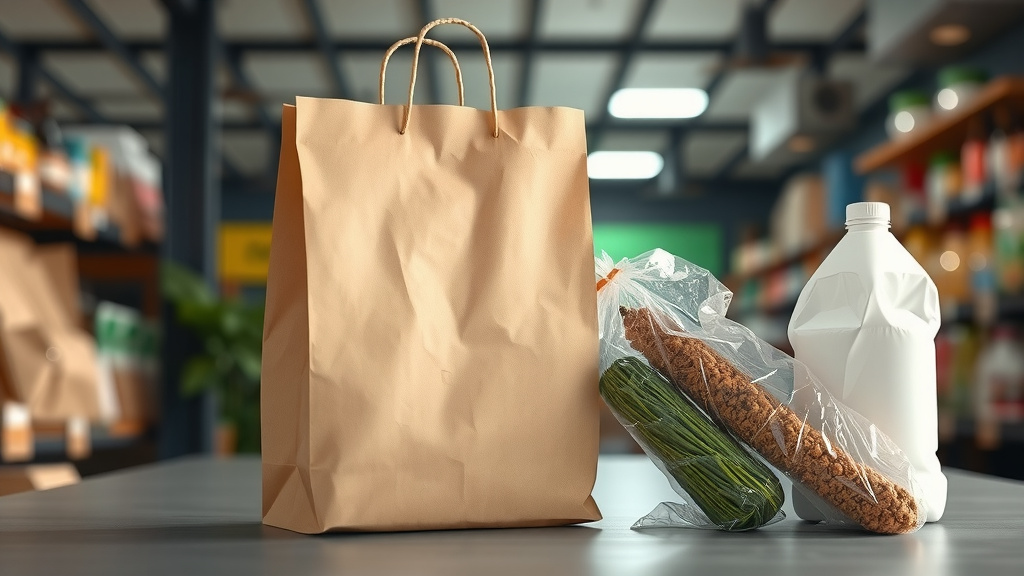
Direct Comparison: Key Differences at a Glance
Let’s lay it all out. What’s the difference between bringing home your groceries in paper versus plastic?
| Feature | Paper Bags | Plastic Bags |
|---|---|---|
| Material Source | Renewable (trees) | Non-renewable (petroleum) |
| Biodegradability | Yes, relatively quickly | Extremely slow (hundreds of years) |
| Recyclability | Easily recycled in most curbside programs | Difficult; often requires special drop-off |
| Manufacturing Energy | Higher initial energy use | Lower initial energy use |
| End-of-Life Pollution | Minimal; breaks down naturally | Significant; causes persistent pollution |
Which is Better for the Environment?
When you look at the full life cycle, from creation to disposal, paper bags often have a **better environmental outcome** than plastic. Even with their higher initial manufacturing impact, their ability to biodegrade and be easily recycled makes them a more sustainable choice in the long run. This is a conclusion many environmental agencies reach.
What About Durability and Reuse?
This is where plastic sometimes gets a nod. Plastic bags are generally stronger and more water-resistant. You might use one to carry heavier items or if there’s a chance of rain. However, the goal of a single-use bag is just that – single use. Paper bags can be surprisingly sturdy, especially the thicker varieties.
Making Your Best Choice: Tips for Shoppers
So, what’s the best path forward for you and your shopping trips?
- Think reusables first: Always have a sturdy tote bag or backpack ready. This is the most eco-friendly option.
- When you must use single-use: Consider your local recycling capabilities. If paper is easily recycled in your area, it’s a solid choice.
- Don’t toss them carelessly: Whether paper or plastic, proper disposal is key. Don’t let bags become litter.
- Paper for compost: If you compost, paper bags are a great addition.
- Reuse what you can: If you do end up with a plastic bag, try to reuse it multiple times before discarding it.
Your Role in Reducing Waste
Every choice you make counts. By understanding these differences, you can make more informed decisions at the checkout. It’s about more than just convenience; it’s about the health of our planet. Many experts agree that consumer choices drive change.
Conclusion
We’ve seen that while both paper and plastic bags have their unique roles, paper bags generally offer a more environmentally sound choice. Their renewable source and natural biodegradability give them an edge over plastic’s persistence. Although paper bags require more energy to produce initially, their ability to break down and be easily recycled means less long-term pollution. Your choice at the checkout can make a real difference. To truly minimize your impact, commit to using reusable bags for all your shopping trips.
Frequently Asked Questions
Are paper bags always better than plastic bags for the environment?
Research suggests paper bags are generally better due to their biodegradability and easier recycling. While their initial production uses more energy, they break down naturally, unlike plastic which pollutes for centuries.
How long does it take for a paper bag to decompose compared to a plastic bag?
Paper bags are biodegradable and can decompose in a matter of months under the right conditions. Plastic bags, on the other hand, can take hundreds of years to break down, often fragmenting into harmful microplastics.
Can paper bags be recycled in my local curbside program?
Yes, most curbside recycling programs readily accept paper bags. They are a well-established recyclable material and can be turned back into new paper products, supporting a circular economy.
Why are plastic bags so hard to recycle?
Plastic bags are often not accepted in curbside recycling because they are lightweight and can easily get caught in sorting machinery, causing disruptions. They usually require special drop-off locations for proper recycling.
What’s the best way to reduce my bag waste when shopping?
The most eco-friendly option is to always bring your own reusable shopping bags, such as tote bags or backpacks. Having them ready for every shopping trip significantly reduces the need for single-use bags.
![10 Best Leather Bags Online [2026]](https://mybestreviewss.com/wp-content/uploads/2026/09/10-best-leather-bags-online-2026-featured-768x432.jpg)