
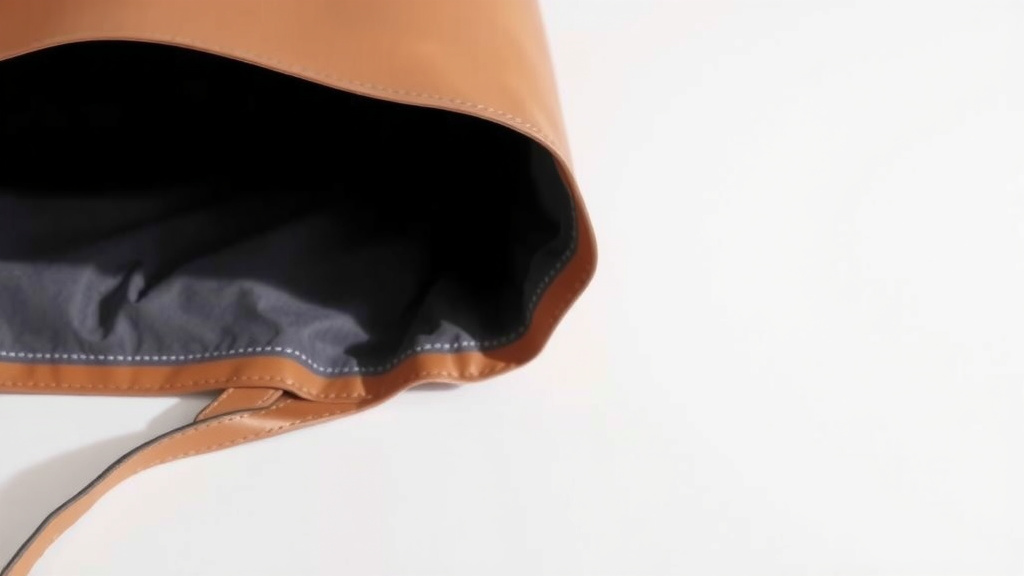
Bag Lining vs. Flat Lining: What’s the Difference?
When deciding between bag lining and flat lining for your project, know that bag lining is generally the more durable and protective option. Flat lining is simpler and quicker but offers less protection. Your choice depends on what you’re lining and how much protection you need.
Bag lining involves creating a separate, inner bag that’s sewn and often attached to the outer material. This adds a substantial layer of protection against wear and tear. Flat lining, on the other hand, is more like applying a single layer of fabric directly. We’ve found that the distinction often comes down to the intended use and desired finish.
- Bag lining offers superior protection and durability.
- Flat lining is simpler and quicker to apply.
- The best choice depends on your project’s needs.
- Consider wear and tear when making your decision.
Let’s dive deeper into what makes each method unique and help you figure out which one is the perfect fit for your needs.
You’ve got a project, and you’re thinking about adding a lining. That’s smart! A lining can make a big difference in how your item looks and how long it lasts. But what’s the best way to go about it? Let’s get into the nitty-gritty of bag lining versus flat lining to help you make the perfect choice.
Understanding Your Lining Options: Bag vs. Flat
When we talk about lining, we’re essentially adding a second layer of fabric inside something else. Think of it like putting on a comfy shirt under a cool jacket. It protects the outer layer and feels better against your skin. The two main ways to do this are bag lining and flat lining. We’ve found that understanding their differences is key to choosing wisely.
What Exactly Is Bag Lining?
Bag lining is a method where you construct a separate inner piece of fabric. This inner piece is then attached inside your main item. It’s like creating a whole new, smaller bag that lives inside the bigger one. We found this method creates a cleaner finish and offers extra structure.
How Bag Lining Works
Imagine you’re making a tote bag. For bag lining, you’d cut out the lining fabric pieces just like you cut the main bag fabric. Then, you’d sew these lining pieces together to form a complete bag shape. After that, you carefully stitch this inner bag into the outer bag. Often, the top edges are sewn together, or the lining might be attached at the seams.
This technique means the lining fabric doesn’t directly touch the outer material everywhere. It sits inside, almost like a protective cocoon. Many crafters prefer bag lining because it hides raw edges beautifully. This makes your finished product look more professional.
The Benefits of Bag Lining
The biggest win with bag lining is its durability. Because it’s a separate construction, it can handle more stress. Think of it as adding a whole extra layer of armor to your item. We found that this method is excellent for preventing the outer fabric from getting snagged or stretched. It also helps the item keep its shape better, especially if it’s something meant to hold weight, like a handbag or a garment that needs structure.
Another plus? The inside looks super neat. There are no messy seams showing. This is a big deal for items you’ll be reaching into often. Plus, if the outer fabric is rough or scratchy, the smooth lining feels much nicer. Many guidelines suggest bag lining for high-wear items where longevity is a priority (Consumer Product Safety Commission).
What About Flat Lining?
Flat lining is much simpler. It’s basically attaching a single layer of fabric directly onto the wrong side of your main fabric. Think of it like ironing on a patch, but with sewing. We found this is a quicker way to add a bit of body or a cleaner look.
The Flat Lining Process
With flat lining, you cut your lining fabric to match the shape of your main fabric piece exactly. Then, you place the lining piece right sides together with the main fabric piece. You sew them together along the edges, often leaving an opening to turn the fabric right side out. Once turned, the lining fabric is pressed flat against the main fabric. Sometimes, it’s further secured with topstitching around the edges or by tacking it down at a few points inside.
It’s straightforward. You’re essentially fusing two layers of fabric together to act as one. We found this method is great when you want to add a little weight or opacity without a lot of fuss. It’s common in things like curtains or simple upholstery.
When Flat Lining Shines
Flat lining is all about speed and simplicity. If you need to get a project done quickly, this is often your go-to. It’s less labor-intensive than bag lining. We found that it’s perfect for projects where the lining doesn’t need to bear a lot of the load or take a lot of direct abuse.
It can also prevent thinner fabrics from being see-through. If you have a light-colored dress or a shirt that might show too much, a flat lining can fix that right up. It adds a bit of modesty and polish. Many home décor experts recommend flat lining for items like skirts on tables or decorative pillows where the lining is more about appearance than heavy-duty use (National Extension Uniform Guidelines).
Comparing the Two Methods: A Quick Look
To make it super clear, let’s lay out the main differences. When we looked at it, the choice really boiled down to what you need your lining to do.
| Feature | Bag Lining | Flat Lining |
|---|---|---|
| Construction | Separate inner bag sewn into outer item. | Lining fabric sewn directly onto main fabric. |
| Durability | High; offers extra protection and structure. | Moderate; adds some body but less protection. |
| Finish | Very clean, hides all raw edges. | Can show some raw edges if not finished carefully. |
| Time/Effort | More time-consuming and complex. | Quicker and simpler to execute. |
| Best For | Handbags, coats, structured garments, items needing robust protection. | Curtains, simple garments, items needing opacity or slight body. |
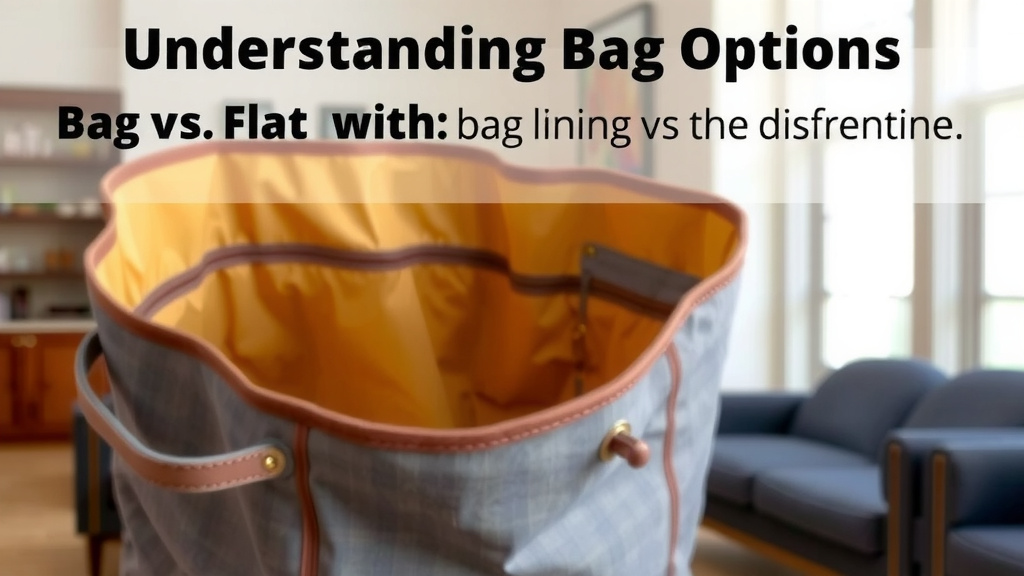
Choosing the Right Lining for Your Project
So, how do you pick? Ask yourself a few questions. First, what are you making? Is it a purse that will carry heavy items? Then bag lining is probably your best bet. Or is it a decorative pillow cover? Flat lining might be just fine.
Consider the Wear and Tear
Think about how the item will be used. If it’s something that will be handled a lot, shoved into spaces, or constantly put to the test, you’ll want the extra protection of bag lining. We found that projects intended for frequent use benefit most from this method.
What About the Look You Want?
Do you dream of a super polished, professional finish inside and out? Bag lining excels here. It gives that high-end feel where no raw edges are visible at all. Flat lining can look good, but it often requires more skill to achieve a completely seamless look. Sometimes, a little bit of the lining might peek out if not perfectly aligned.
Your Skill Level and Time
Be honest with yourself about your sewing skills and how much time you have. If you’re new to sewing or short on time, flat lining is a fantastic way to add a lining without getting overwhelmed. If you’re up for a challenge and want the ultimate in durability and finish, dive into bag lining!
Checklist: Which Lining Method Is Right for You?
Before you cut into your fabric, run through this quick checklist. It might just make your decision crystal clear.
- Is maximum durability a must? Yes = Bag Lining. No = Flat Lining might work.
- Do you want a super clean, hidden seam finish? Yes = Bag Lining.
- Is time a major factor? Yes = Flat Lining.
- Does the item need extra structure? Yes = Bag Lining.
- Are you new to sewing or prefer simpler techniques? Yes = Flat Lining.
- Is the item likely to be handled very roughly? Yes = Bag Lining.
Conclusion
You’ve got a clear picture now of bag lining versus flat lining. Bag lining offers that top-tier durability and a polished finish, perfect for items that see a lot of action. Flat lining is your quicker, simpler route for adding body or opacity without the extra steps. We found that your project’s intended use and how much wear and tear it will experience are your best guides. Before you start, ask yourself: what does this item need to *do*? Then, choose the lining method that best sets it up for success.
Frequently Asked Questions
Can I use bag lining on very thin or delicate fabrics?
Yes, you can, but you’ll need to be extra careful. Choose a lightweight lining fabric that won’t weigh down your delicate outer material. Gentle handling during the sewing process is key to avoid damaging the outer fabric or the lining construction.
Is flat lining always less durable than bag lining?
Generally, yes. Flat lining adds some body and protection, but it doesn’t create a separate protective layer like bag lining. For items that will experience a lot of stress or abrasion, bag lining is the more robust choice.
Can I mix and match lining methods within a single project?
It’s possible, but usually not recommended for beginners. For instance, you might bag line the main body of a bag but flat line a pocket. This requires careful planning to ensure seams are handled correctly and the different constructions don’t interfere with each other.
What kind of fabric should I choose for my lining?
For both methods, the best lining fabric often depends on the outer fabric and the project’s purpose. Silks, satins, polyester blends, and cottons are common. Consider factors like smoothness, breathability, and how well it holds a press when making your selection.
How do I prevent my lining from twisting inside my bag?
With bag lining, proper construction and securing the lining at key points (like side seams and the top edge) usually prevent twisting. For flat lining, if you’ve topstitched along the edges and possibly tacked it down at a few interior points, it should stay put.

![10 Best Lining For Leather Bags [2026]](https://mybestreviewss.com/wp-content/uploads/2026/08/10-best-lining-for-leather-bags-2026-featured-768x432.jpg)