
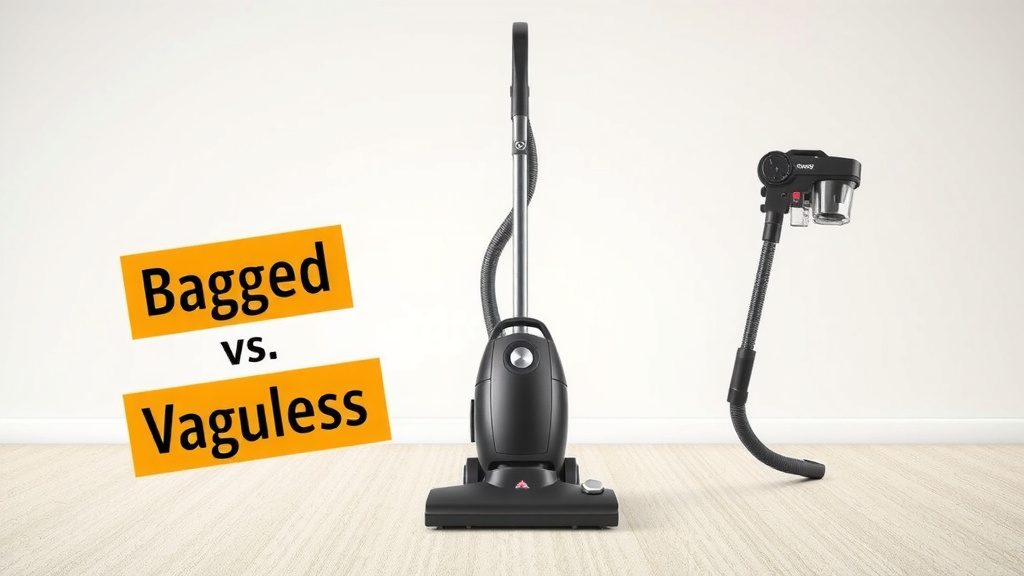
Bagged vs Bagless Vacuums: Which Is Right for You
When choosing between a bagged and bagless vacuum cleaner, the best option for you depends on your priorities. Bagless vacuums offer convenience and cost savings by eliminating the need to buy replacement bags. However, bagged vacuums are often preferred for their superior dust containment, which can be better for allergy sufferers. Both types clean effectively, but the dust disposal method makes a difference.
Many homeowners wonder which type is truly better for their needs. We found that the choice often comes down to a trade-off between ease of maintenance and air quality. Consider how often you vacuum and if anyone in your household has allergies or asthma. Your decision will impact both your cleaning routine and the air in your home. Understanding the core differences is key to making the right choice for your cleaning needs.
- Bagless vacuums save money on bags.
- Bagged vacuums offer better dust control.
- Consider allergies when choosing.
- Think about your vacuuming frequency.
- Both types offer great cleaning power.
Let’s dive into the specifics of bagged versus bagless vacuums so you can make an informed decision for your home.
Bagged vs. Bagless Vacuums: Which is Right for Your Home?
Deciding between a bagged and a bagless vacuum cleaner can feel like a big choice. It impacts your cleaning routine and even the air you breathe. We’ve looked at both types to help you figure out which one fits your household best. Think about what matters most to you: convenience, cost, or air quality. We’ll break down the pros and cons of each.
Understanding the Core Differences
How Bagged Vacuums Work
Bagged vacuums use a disposable bag to collect dirt and debris. When the bag is full, you simply toss it out and put in a new one. This system seals away dust and allergens quite effectively. Many people find this a clean and straightforward process. It keeps the inside of your vacuum much cleaner. It also helps prevent dust from escaping back into the air during disposal.
How Bagless Vacuums Work
Bagless vacuums, on the other hand, use a canister or bin. This bin collects the dirt. You’ll need to empty the bin into your trash can when it’s full. Some bins are easy to detach and empty with a single click. Others might require a bit more effort to clean out. The technology behind bagless vacuums often involves cyclonic separation. This spins dirt and debris away from the air.
The Pros and Cons of Bagged Vacuums
Benefits of Using Bags
One of the biggest advantages of bagged vacuums is their superior dust containment. The bag acts as a second filter, trapping fine particles like dust mites and pollen. This can be a real lifesaver for allergy and asthma sufferers. Research indicates that bagged vacuums tend to release less fine dust back into the air during operation and disposal (National Institute of Environmental Health Sciences). Plus, emptying a full bag is generally a less messy affair. You just seal it up and throw it away.
Drawbacks of Bagged Models
The main downside is the ongoing cost of buying replacement bags. While not exorbitant, it’s an expense that bagless models avoid. You also need to remember to buy the correct bags for your specific vacuum model. If you run out, you can’t use your vacuum until you get more. Sometimes, finding the right bags can be a bit of a hunt, especially for older or less common vacuum brands.
The Pros and Cons of Bagless Vacuums
Advantages of the Bagless Design
The most obvious benefit is the cost savings. You never have to buy replacement bags. Just empty the bin and keep going! This convenience factor is huge for many people. It means you’re always ready to clean without a trip to the store. The transparent bins are also helpful. They let you see exactly how much dirt you’ve picked up. Some people find this visually satisfying.
Disadvantages to Consider
Emptying the dust bin can be messy. Fine dust and allergens can escape into the air when you empty it. This can be a problem for people with respiratory issues. Some users find they need to wear a mask when emptying the bin. Also, the filters in bagless vacuums may need more frequent cleaning or replacement than the bags in a bagged model. Over time, the filters can get clogged with fine dust.
Key Considerations for Your Choice
Allergies and Air Quality
If allergies or asthma are a concern in your household, a bagged vacuum might be the better choice. The sealed system of a bag traps allergens more effectively. This means less microscopic irritants are released back into your living space. For example, the American Lung Association suggests that vacuum cleaners with HEPA filters and sealed systems are best for improving indoor air quality. Bagged vacuums often meet these criteria right out of the box.
Maintenance and Cost Over Time
Let’s talk numbers. While bagless vacuums have a lower upfront cost for consumables, you might end up spending money on replacement filters. Bagged vacuums have the recurring cost of bags. Over the lifespan of a vacuum, these costs can often balance out. We found that some people prefer the predictable, albeit continuous, cost of bags. Others like the “pay-as-you-go” nature of bagless.
Ease of Use and Disposal
Emptying a bagless bin is usually quick. You just detach, empty, and reattach. However, this can stir up dust. Disposing of a full bag is also simple. You pull it out, tie it shut, and toss it. The key difference is the potential for dust exposure during disposal. Consider which method feels cleaner and more manageable for you.
Bagged vs. Bagless: A Quick Comparison
| Feature | Bagged Vacuum | Bagless Vacuum |
|---|---|---|
| Dust Containment | Excellent; sealed system traps allergens | Good, but dust can escape when emptying bin |
| Ongoing Costs | Replacement bags | Replacement filters (sometimes) |
| Ease of Disposal | Toss full bag; very clean | Empty bin; can be dusty |
| Maintenance | Replace bag when full | Empty bin; clean/replace filters regularly |
| Ideal For | Allergy sufferers, those prioritizing air quality | Budget-conscious users, those prioritizing convenience |
Making Your Final Decision
To sum it up, the best vacuum for you depends on your priorities. If you have allergies or want the cleanest possible air, a bagged vacuum is often recommended. If you prefer to save money on supplies and don’t mind a potentially messier disposal process, a bagless model might be your best bet. Think about how often you vacuum and the general cleanliness of your home. Consider if you have pets or children, as they can increase the amount of dirt and dander you need to manage.
Here’s a quick checklist to help you decide:
- Do you or family members have allergies or asthma?
- How important is keeping dust out of the air?
- Do you prefer a low-mess disposal method?
- Are you looking to save money on supplies long-term?
- How often do you plan to vacuum?
- Do you want to easily see how full your vacuum’s dirt collector is?
Conclusion
Choosing between a bagged and bagless vacuum cleaner boils down to what matters most for your home. If you’re prioritizing **allergy relief and superior air quality**, a bagged model offers excellent dust containment. For those who value **convenience and long-term cost savings** on supplies, a bagless vacuum is likely a better fit. We found that both types clean effectively, but the method of dust disposal is the key differentiator.
To make your final decision, ask yourself if a cleaner disposal process is worth the ongoing cost of bags, or if the initial savings of bagless outweigh potential dust exposure. Think about your family’s health and your cleaning habits.
Frequently Asked Questions
Which type of vacuum is better for pet owners?
Pet owners often find themselves dealing with extra dander and hair. Bagged vacuums can be better at containing these allergens, which is beneficial if anyone in your home has pet allergies. Bagless models can still be effective, but you’ll need to be diligent about emptying the bin outside to minimize dust release.
How often should I replace bags or clean filters?
For bagged vacuums, you should replace the bag when it’s about two-thirds full to maintain optimal suction power. For bagless vacuums, check the manual for filter cleaning or replacement schedules, which can range from monthly cleanings to yearly replacements depending on the model and usage.
Can a bagless vacuum be just as good for allergies as a bagged one?
While some bagless vacuums with advanced HEPA filtration systems can perform very well, bagged vacuums generally offer superior dust containment out-of-the-box. The bag itself acts as a seal, preventing fine particles from escaping during operation and disposal, which is a significant advantage for allergy sufferers.
Do bagless vacuums lose suction power as the bin fills up?
Most modern bagless vacuums use cyclonic technology designed to maintain suction power even as the bin fills. However, you might notice a slight decrease in performance if the bin is completely full or if the filters become clogged. Regular emptying and filter maintenance are key to consistent suction.
Is there a noticeable difference in cost over the lifespan of each type of vacuum?
The upfront cost of bagless vacuums can sometimes be higher, but you save on buying replacement bags. Bagged vacuums are often less expensive initially but require ongoing purchases of bags. Over many years, the total cost can often balance out, so consider which type of expense you prefer (ongoing or purchase-based).

![10 Best Leather Carry On Bag Men'S [2026]](https://mybestreviewss.com/wp-content/uploads/2026/09/10-best-leather-carry-on-bag-men-s-2026-featured-768x432.jpg)