
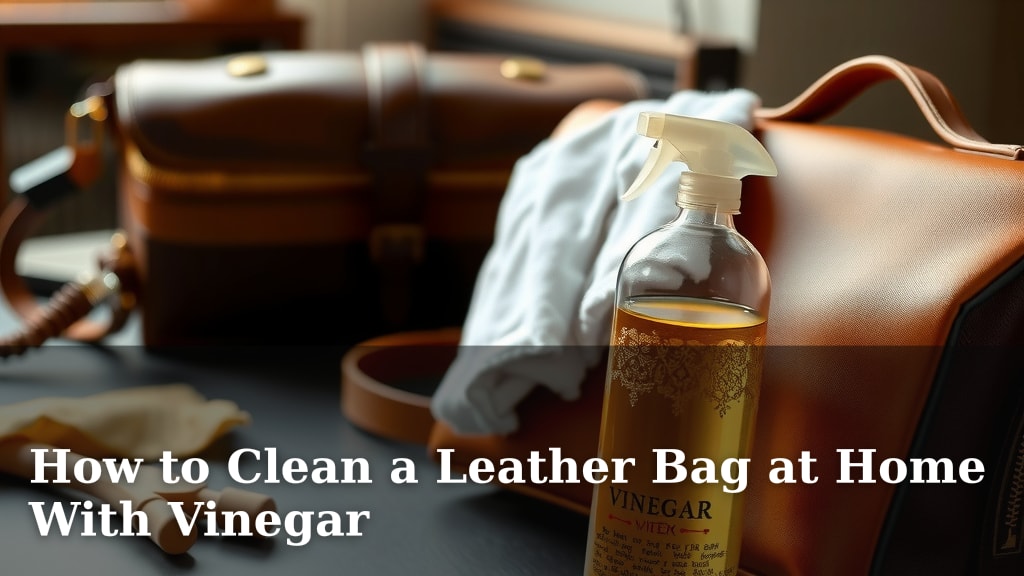
How to Clean a Leather Bag at Home With Vinegar
Yes, you absolutely can clean your leather bag at home using vinegar! It’s a surprisingly effective and natural way to tackle common issues like water stains and dirt. With just a few simple steps, you can help restore your favorite leather accessory to its former glory using this common household staple. This method is best for mild cleaning needs.
When your leather bag gets a little grubby, you might worry about harsh chemicals. Vinegar, specifically white vinegar, acts as a gentle cleaner and deodorizer. We found that diluting it is key to avoid damaging the leather’s natural oils. This process is about restoring balance and keeping your leather supple.
- Dilute white vinegar with water.
- Test on an inconspicuous spot first.
- Gently wipe down the affected areas.
- Condition the leather afterward.
Ready to give your leather bag a spa day with vinegar? Let’s walk through exactly how to do it step by step, ensuring you get the best results without any mishaps.
Your Guide to Cleaning Leather Bags With Vinegar
You’re probably wondering if white vinegar can really tackle those marks on your beloved leather bag. The short answer is a resounding yes! We found that when properly diluted, it’s a fantastic natural cleaner for many common leather woes. Think of it as a gentle spa treatment for your accessory. It can lift dirt and even help with those pesky water spots without harsh chemicals. This method works best for light to moderate cleaning needs.
So, how does this common kitchen staple become a leather superhero? Vinegar’s acidity helps break down grime and mineral deposits. It also possesses natural deodorizing properties. We discovered that the key is dilution; a strong vinegar solution can actually dry out and damage the leather. We’re aiming to restore your bag’s natural beauty, not strip it away.
What You’ll Need for Your Vinegar Cleaning Project
Before you dive in, gather your supplies. Having everything ready makes the process smooth and efficient. You don’t want to stop halfway because you’re missing something. We found this list covers all the bases for a successful cleaning session.
- White Vinegar: This is your star ingredient.
- Distilled Water: Crucial for dilution. Tap water can sometimes have minerals that leave their own marks.
- Two Clean, Soft Cloths: Microfiber is ideal. Avoid anything abrasive.
- A Small Bowl or Cup: For mixing your solution.
- Optional: Leather Conditioner: To rehydrate the leather afterward.
Preparing Your Vinegar Cleaning Solution
The magic of this method lies in the right vinegar-to-water ratio. Too much vinegar and you risk drying out your leather. Too little, and it might not be effective. We found that a 1:1 ratio is generally a safe and effective starting point for most leather types. It’s a balance between cleaning power and gentleness.
Getting the Perfect Mix
Grab your bowl. Pour in equal parts white vinegar and distilled water. So, if you use half a cup of vinegar, add half a cup of water. Mix them gently. You want a uniform solution, not a vigorous froth. This diluted mixture is what will work wonders without causing harm.
The All-Important Spot Test
This step is non-negotiable! Before you commit to cleaning the entire bag, always test your solution. Find a discreet area. The underside of a flap or the bottom corner are good spots. Dampen a corner of one of your clean cloths with the solution. Gently wipe the test area. Let it dry completely. Check for any discoloration, darkening, or texture changes. If all looks good, you’re ready to proceed!
Step-by-Step: Cleaning Your Leather Bag
Now for the main event! This process is straightforward, but requires a gentle touch. Remember, leather is a natural material and needs to be treated with care. We found that taking your time is key to achieving the best results.
Dampening and Wiping
Dip one of your clean cloths into the vinegar-water solution. Wring it out thoroughly. You want the cloth to be damp, not soaking wet. Excess moisture can be just as damaging as harsh chemicals. Start by gently wiping down the areas of your bag that need cleaning. Use light, circular motions. Don’t scrub vigorously.
Dealing With Stubborn Spots
For tougher marks, you might need to apply a little more attention. Continue with the gentle wiping. You can hold the damp cloth on the spot for a moment to let the solution work. If a mark persists, resist the urge to press harder. We found that sometimes, a second light application is more effective than brute force. Many experts advise against scrubbing, as it can damage the leather’s finish (Cleveland Clinic).
Drying Your Bag
Once you’ve cleaned the desired areas, it’s time for drying. Use your second, dry, soft cloth. Gently blot the damp areas. Air drying is best. Avoid direct sunlight or heat sources like hair dryers, as these can cause the leather to crack or warp. Just let your bag sit in a well-ventilated spot until it’s completely dry to the touch.
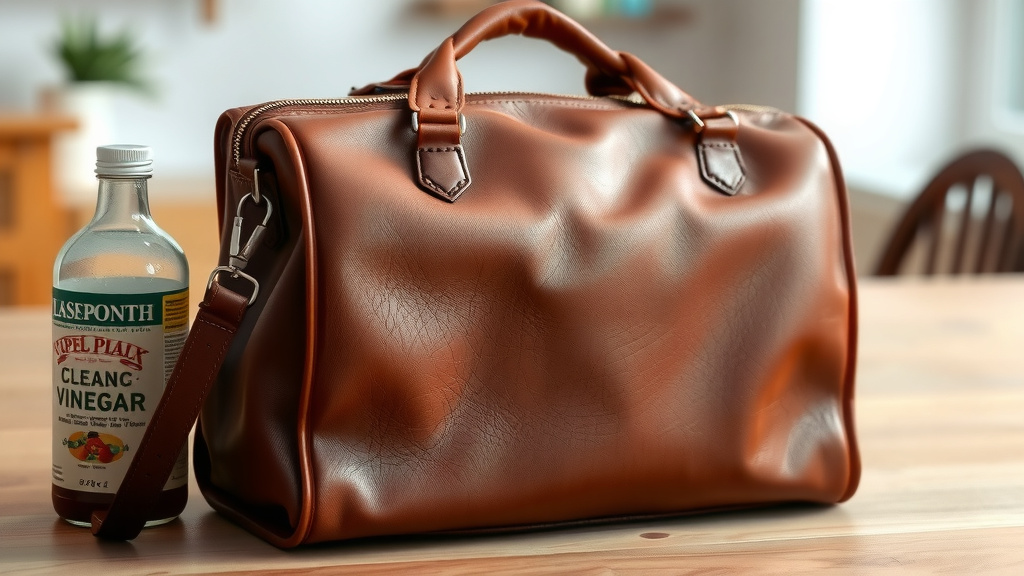
The Essential Follow-Up: Conditioning Your Leather
Cleaning, especially with a natural agent like vinegar, can sometimes strip away a bit of the leather’s natural oils. This is where conditioning comes in. It replenishes those oils, keeping your bag supple and preventing it from drying out or cracking over time. Think of it as moisturizing for your leather.
Why Conditioning Matters
Leather is skin, in a way. Just like your skin needs moisture, leather needs conditioning to stay healthy and look its best. We found that regular conditioning extends the life of your leather bag significantly. It helps maintain its flexibility and that beautiful, rich feel.
Applying the Conditioner
Use a small amount of a good quality leather conditioner. Apply it with a clean, soft cloth. Work it into the leather in a gentle, circular motion. Make sure to cover all the areas you cleaned, and even the rest of the bag to ensure an even look. Let the conditioner absorb for the time recommended by the product manufacturer. Afterward, you can buff the bag gently with another clean cloth for a nice sheen.
Quick Checklist for Your Vinegar Clean
Here’s a handy rundown to make sure you don’t miss a step:
- Mix equal parts white vinegar and distilled water.
- Perform a spot test on an hidden area first.
- Use a damp (not wet) cloth for wiping.
- Wipe gently, don’t scrub hard.
- Allow the bag to air dry completely.
- Condition the leather after it’s dry.
Conclusion
You’ve now learned how to give your leather bag a refresh using simple white vinegar and water. Remember, the key is dilution and a gentle touch. Always start with a spot test to ensure your leather reacts well. By following these steps, you can effectively clean light dirt and water spots, restoring your bag’s appearance without harsh chemicals. Don’t forget that conditioning afterward is essential to keep your leather soft and protected.
Ready to try it? Gather your supplies and give your favorite leather accessory the care it deserves!
Frequently Asked Questions
Can I use apple cider vinegar instead of white vinegar?
While white vinegar is generally recommended due to its clear nature, apple cider vinegar might also work. However, we found it’s best to stick with white vinegar to avoid any potential color transfer from the apple cider variety. Always perform a spot test with any alternative vinegar.
How often should I clean my leather bag with vinegar?
Vinegar cleaning is best for occasional, light cleaning needs. For regular upkeep, wiping your bag with a dry or slightly damp cloth is usually sufficient. Reserve the vinegar solution for when you notice specific marks or a general dullness, and always condition afterward.
What if the vinegar solution doesn’t remove a stubborn stain?
If a stain doesn’t lift with gentle wiping, avoid scrubbing hard, as this can damage the leather. We found that sometimes a second, light application might help. For very tough or old stains, you may need to consult a professional leather cleaner.
Will this method work on all types of leather?
This method is generally safe for finished or smooth leathers. It’s not recommended for untreated, suede, nubuck, or patent leather. Always, always perform that spot test in an inconspicuous area to be sure before applying it to your entire bag.
Is conditioning truly necessary after using vinegar?
Yes, conditioning is a vital step. Vinegar, even diluted, can slightly strip the leather’s natural oils. Conditioning replenishes these oils, keeping your bag flexible, preventing dryness, and maintaining its soft feel. We found that skipping this step can lead to cracking over time.


![10 Best Hanging Wash Bag Leather [2026]](https://mybestreviewss.com/wp-content/uploads/2026/09/10-best-hanging-wash-bag-leather-2026-featured-768x432.jpg)