
How to Get Dye Out of a Leather Bag
Accidentally got dye on your favorite leather bag? Don’t panic! You can often remove dye transfer from leather using a few household items and some gentle technique. We found that starting with a mild soap solution or a dedicated leather cleaner is your best bet. For tougher stains, a paste of baking soda and water or even rubbing alcohol can work wonders, but always test in an inconspicuous spot first to avoid damage.
Leather bags are beautiful investments, but they can be prone to color transfer from jeans, other bags, or even newsprint. Successfully removing dye stains often depends on the type of leather and how quickly you address the problem. Acting fast increases your chances of a complete stain removal without harming the bag’s finish.
Here’s a quick rundown on tackling dye stains:
- Act Fast: Fresh stains are easier to remove.
- Mild First: Try soap and water or a leather cleaner.
- Test Spot: Always test cleaning solutions on a hidden area.
- Gentle Pressure: Rubbing too hard can damage the leather.
- Conditioning is Key: Rehydrate the leather after cleaning.
Let’s get that bag looking good as new. We’ll walk you through the best methods to gently lift those unwanted dye marks.
“`htmlRemoving Dye Stains from Your Leather Bag
Don’t let a dye transfer ruin your beloved leather bag. We’ve found that with the right approach, you can often lift these unwanted marks. The key is to work gently and choose the right cleaning agent for the job. Remember, leather is a natural material, and it needs a bit of tender loving care.
Assessing the Dye Stain and Your Leather Type
Before you grab any cleaner, take a moment to examine the stain. Is it fresh or has it set in? What color is the dye? This information helps determine the best cleaning method. Also, consider the type of leather your bag is made from. Smooth, finished leather is generally more forgiving than unfinished or suede.
Understanding Leather Finishes
Most handbags are made from finished leather. This means it has a protective coating that helps repel some stains. Unfinished leather, like suede or nubuck, absorbs liquids more easily. You’ll want to be extra cautious with these materials. If you’re unsure, check the bag’s care tag or the manufacturer’s website.
Fresh vs. Set-In Stains
Fresh dye transfers are your best friend when it comes to removal. They haven’t had much time to bond with the leather fibers. Set-in stains are tougher. They might require a bit more patience and a stronger cleaning solution. Acting quickly is always the winning strategy.
Gentle Cleaning Methods to Try First
Always start with the mildest cleaning solution. You’d be surprised how often a simple approach does the trick. We found that building up from mild to stronger methods prevents unnecessary damage to your bag.
Method 1: Mild Soap and Water Solution
This is your go-to for minor dye marks. Mix a few drops of mild liquid soap (like a gentle hand soap or dish soap without harsh dyes) with distilled water. Dampen a soft, white cloth with the solution. Gently dab the stained area. Avoid scrubbing, which can spread the dye or damage the leather’s finish.
Rinse the cloth with clean water and wring it out well. Wipe the area again to remove any soap residue. Allow the bag to air dry completely away from direct heat or sunlight. This method is excellent for testing the waters without risking your bag.
Method 2: Dedicated Leather Cleaner
Commercial leather cleaners are formulated specifically for leather. They are designed to clean without stripping natural oils. Purchase a cleaner recommended for your bag’s leather type. Always follow the product instructions carefully. Many experts suggest testing the cleaner on an inconspicuous spot first.
Apply a small amount of cleaner to a clean cloth. Gently rub the stained area in a circular motion. Wipe away any excess cleaner with a separate damp cloth. Let the bag air dry naturally. This is often the safest bet for preserving your bag’s finish.
Tackling Stubborn Dye Stains: Advanced Techniques
If the milder methods don’t fully remove the dye, don’t despair. There are a few more potent options you can explore. Remember to always test these in a hidden area first to ensure they won’t cause discoloration or damage.
Method 3: Baking Soda Paste
Baking soda is a mild abrasive and absorbent. It can help lift stains from the surface. Mix baking soda with a small amount of water to create a thick paste. Apply the paste directly onto the dye stain. Let it sit for about 10-15 minutes.
Gently wipe away the paste with a damp cloth. You might need to use a soft brush, like an old toothbrush, to carefully work it out of any textured areas. Wipe the area clean with a damp cloth to remove residue. Allow it to dry thoroughly.
Method 4: Rubbing Alcohol (Use with Caution!)
Rubbing alcohol (isopropyl alcohol) can be effective, but it’s also potent. It can dry out leather significantly, so use it sparingly and only on tough stains. Dampen a cotton ball or a clean cloth with a small amount of rubbing alcohol. Do not soak the leather.
Gently dab the dye stain. You should see the dye transferring to the cotton ball or cloth. Continue dabbing with clean sections of the cloth or new cotton balls until the stain is gone. Immediately after, wipe the area with a cloth dampened with clean water. This helps neutralize the alcohol. Then, apply a leather conditioner.
Method 5: Magic Eraser (Test First!)
A melamine foam sponge, often called a Magic Eraser, can work wonders. However, it’s abrasive. We found that it can sometimes remove the leather’s finish if used too aggressively. Dampen the sponge slightly. Gently rub the stained area with very light pressure. The abrasion should lift the dye.
Wipe the area with a clean, damp cloth to remove any residue. This method requires a very light touch. If you notice any finish being removed, stop immediately. It’s best suited for smooth, durable leathers.
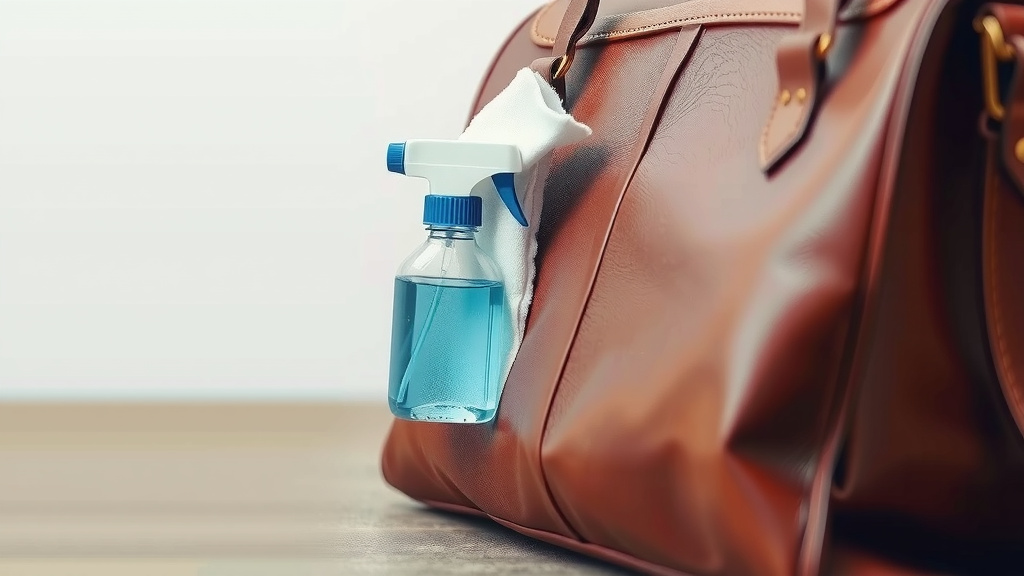
Post-Cleaning Care: Conditioning is Crucial
After any cleaning, especially if you used rubbing alcohol or a Magic Eraser, your leather bag needs rehydration. Cleaning can strip away natural oils. Conditioning restores moisture and keeps the leather supple.
Choosing the Right Leather Conditioner
Select a high-quality leather conditioner. Look for products specifically designed for handbags or fine leather goods. Avoid anything with harsh chemicals or silicones, as these can damage the finish over time. Always test the conditioner on a hidden spot first.
Applying the Conditioner
Apply a small amount of conditioner to a clean, soft cloth. Gently rub it into the cleaned area in a circular motion. Work it into the surrounding leather as well to ensure a uniform look. Allow the conditioner to penetrate for the time recommended on the product label, usually a few minutes.
Buff the bag gently with a dry, clean cloth to remove any excess conditioner and restore the shine. Properly conditioned leather is less prone to future stains and damage. It helps maintain the bag’s beauty and longevity.
Quick Checklist for Dye Stain Removal Success
Here’s a quick recap to keep handy:
- Assess the Stain: Note the color and age of the dye transfer.
- Identify Leather Type: Smooth, suede, or nubuck?
- Test First: Always try solutions on a hidden spot.
- Start Mild: Soap and water or leather cleaner are best initial steps.
- Gentle Pressure: Avoid harsh scrubbing at all costs.
- Condition After: Restore moisture to keep leather healthy.
Conclusion
You’ve got this! Removing dye stains from your leather bag is absolutely achievable with patience and the right methods. Remember to always start with the gentlest approach, like a mild soap solution or a dedicated leather cleaner. For tougher spots, we found that baking soda paste or even rubbing alcohol (used cautiously!) can be effective. The most important step after cleaning is to condition your leather to restore its natural moisture and protect it. With these tips, your bag will be looking great again in no time.
Frequently Asked Questions
What if the dye is from my new jeans?
New jeans are a common culprit for dye transfer. If the stain is fresh, try the mild soap and water method first. If that doesn’t work, move to a leather cleaner or baking soda paste. Always condition afterward.
Can I use nail polish remover on a leather bag?
We strongly advise against using nail polish remover. Its harsh chemicals can strip the color and finish from your leather, causing permanent damage. Stick to the safer methods outlined in this guide.
How do I know if my leather bag is finished or unfinished?
Finished leather usually has a smooth, slightly shiny surface. Unfinished leather, like suede or nubuck, has a soft, velvety texture. If you’re unsure, check the bag’s care label or manufacturer’s website for details.
Is it safe to use a Magic Eraser on my leather bag?
A Magic Eraser can be effective but must be used with extreme caution. It’s abrasive and can remove the leather’s finish if you apply too much pressure. Always test on a hidden spot first and use a very light touch.
How often should I condition my leather bag?
After cleaning a dye stain, conditioning is a must. Generally, you should condition your leather bag every 3-6 months, or whenever the leather feels dry. This helps keep it supple and protected from future issues.


![10 The Best Leather Laptop Bag [2026]](https://mybestreviewss.com/wp-content/uploads/2026/08/10-the-best-leather-laptop-bag-2026-featured-768x432.jpg)