How to Remove Water Stains from Your Leather Bag
The easiest way to get water stains out of a leather bag involves gentle blotting and allowing it to dry naturally. You can often remove fresh water marks by simply dabbing the area with a clean, dry cloth. For older or tougher stains, a slightly damp cloth followed by conditioning is usually effective. We’ve found that acting fast makes a big difference.
Water stains can be a real bummer for your favorite leather accessories. They can leave unsightly rings or dark spots. The good news is that with the right approach, most water damage is fixable. Understanding how to treat your leather properly protects its look and extends its life. Many experts agree that a little care goes a long way.
- Blot fresh stains immediately with a dry cloth.
- For tougher marks, use a slightly damp cloth, then dry.
- Always let leather air dry away from heat.
- Condition the leather after it’s dry to restore moisture.
Let’s walk through exactly how to tackle those water stains and get your bag looking its best again, step by step.
Tackling Water Stains on Your Leather Bag
Oh no, a water stain on your favorite leather bag! It’s a common problem that can leave you feeling a bit disheartened. But don’t despair! We’ve found that with the right techniques, you can often make those water marks disappear. Let’s get your bag looking its best again.
Understanding Leather and Water Damage
Leather is a natural material. It can absorb liquids, which causes it to change color. When water hits leather, it can leave a darker mark. This happens because the water dilutes the natural oils in the leather. As the water evaporates, it can leave behind mineral deposits or uneven drying patterns. This is what creates the visible stain. Many experts explain that the type of leather also matters. Finished leather is more resistant. Unfinished or suede leather can be more prone to damage.
Why Do Water Stains Appear?
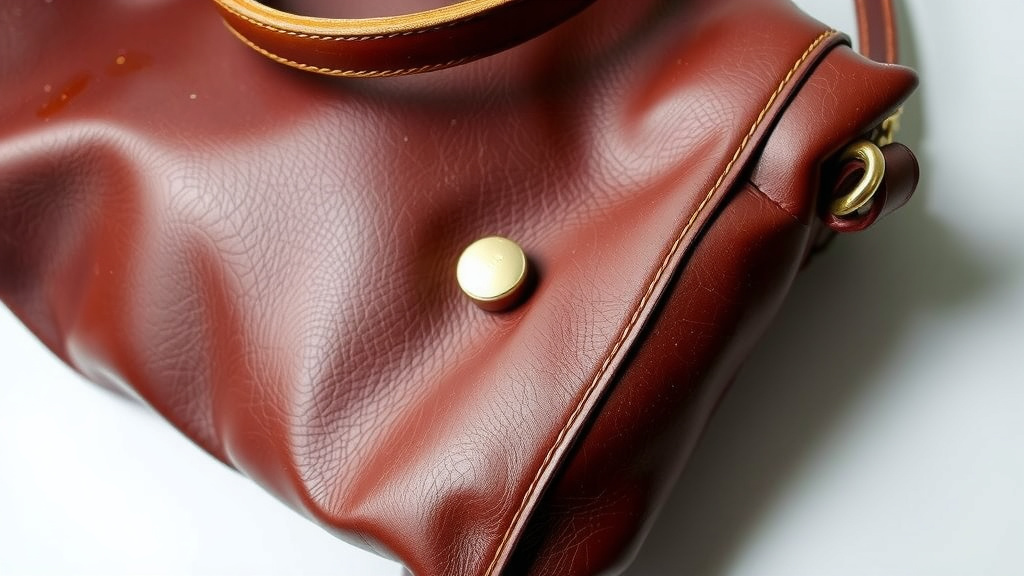
When water hits your bag, it penetrates the surface. The water disrupts the structure of the leather fibers. As it dries, the water evaporates unevenly. This can leave behind a visible ring or a darker patch. Think of it like a wet spot on paper; the edges often look darker. Research suggests that the speed at which leather dries impacts the stain. Rapid drying can sometimes make the stain more obvious.
Different Types of Leather, Different Reactions
Not all leather is created equal when it comes to water. Your bag’s finish plays a big role.
- Finished/Protected Leather: This type has a protective coating. It’s more resistant to water and easier to clean. Water stains on this leather are usually superficial.
- Unfinished/Aniline/Naked Leather: This leather has minimal or no protective coating. It’s very absorbent. Water stains can soak in quickly and be harder to remove.
- Suede/Nubuck: These leathers have a napped finish. They are highly absorbent. Water can flatten the nap and leave dark, noticeable marks. Special care is needed for these.
Step-by-Step Guide to Removing Water Stains
Ready to tackle those stains? Let’s go through the process. Remember, gentleness is key with leather.
Step 1: Act Fast with Fresh Stains
If you catch a water stain right after it happens, you’re in luck! Grab a clean, dry microfiber cloth immediately. Gently blot the wet area. Don’t rub, as this can spread the moisture. Blotting helps absorb the excess water before it has a chance to soak in deeply. We’ve found that this simple step can often prevent a stain from forming at all.
Step 2: Damp Cloth Method for Stubborn Marks
For older stains or those that didn’t come out with just blotting, try a slightly damp cloth.
Preparing the Cloth
Get a clean, soft cloth, preferably microfiber. Dampen it with plain water. You want it to be just slightly moist, not wet. Wring it out thoroughly. Think of it as preparing to spritz, not dunk.
Applying the Water
Gently wipe the stained area with the slightly damp cloth. Start from the outside of the stain and work your way inward. This helps feather the edges. The goal is to blend the stain into the surrounding leather. You’re essentially re-wetting the area slightly to encourage even drying. Many sources suggest this method helps to prevent a new ring from forming.
Step 3: Drying the Leather Properly
This is a critical step that many people overlook. How you dry your bag matters a lot.
Air Dry Only
Let your bag air dry naturally. Find a cool, dry spot away from direct sunlight or heat sources. Never use a hairdryer, radiator, or oven. Heat can cause the leather to crack, shrink, or become brittle. We found that patience here prevents further damage.
Stuffing for Shape
To help your bag keep its shape as it dries, gently stuff it with plain paper or a soft cloth. Avoid newspaper, as the ink can transfer. This helps maintain the bag’s structure and prevents sagging.
Step 4: Conditioning Your Leather Bag
Once your bag is completely dry, it’s time to restore its moisture and suppleness.
Why Condition?
Water can strip the natural oils from leather. Conditioning replenishes these oils. This keeps the leather soft, flexible, and prevents it from drying out and cracking. Think of it as giving your skin a good moisturizer after a wash.
Choosing a Conditioner
Use a high-quality leather conditioner. Make sure it’s suitable for your bag’s specific leather type. If you’re unsure, test it on an inconspicuous area first.
Applying the Conditioner
Apply a small amount of conditioner to a clean, soft cloth. Gently rub it into the leather in a circular motion. Cover the entire bag, not just the stained area. This ensures even conditioning. Allow the conditioner to soak in for the time recommended on the product. Then, buff off any excess with another clean cloth. Many find this step makes their leather look and feel revitalized.
Tips for Prevention and Maintenance
The best way to deal with water stains is to prevent them in the first place. Regular care can make a world of difference.
Protecting Your Bag
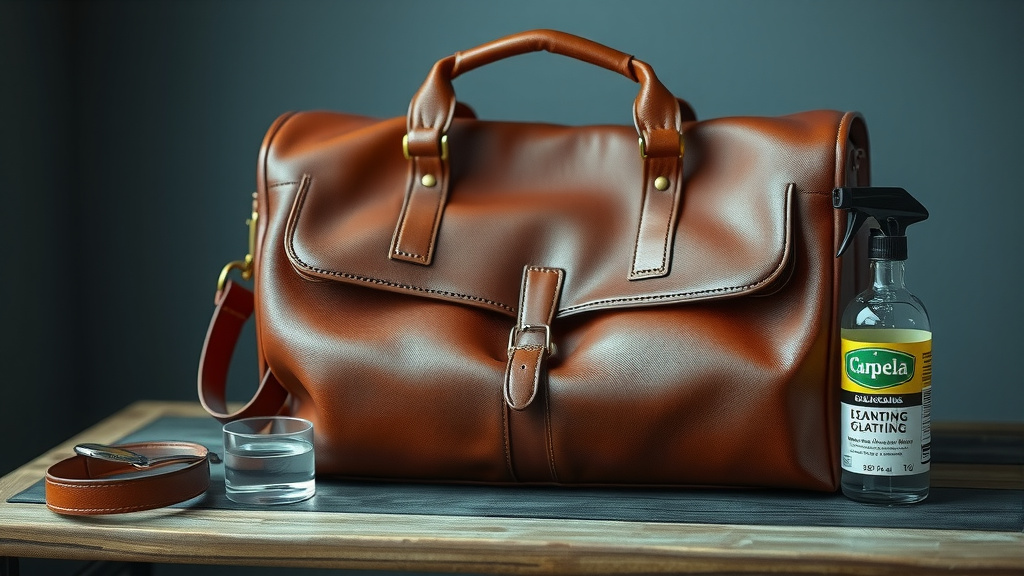
Consider using a leather protectant spray. These sprays create a barrier against water and stains. They are especially helpful for lighter-colored bags or those made of more absorbent leather. Always follow the product instructions. We found that reapplying these sprays every few months offers good protection. Consider using a leather protectant spray to create a barrier against water and stains.
Routine Cleaning Habits
Make it a habit to wipe down your leather bag with a dry cloth regularly. This removes dust and surface dirt. If you get a spill, clean it up immediately using the methods described above. Consistent care keeps your bag looking its best. Research indicates that regular conditioning also extends the lifespan of your leather goods.
Quick Checklist for Water Stain Removal
Here’s a quick rundown to help you remember the key steps:
- Blot fresh spills immediately with a dry cloth.
- For tougher stains, use a slightly damp cloth, wiping inwards.
- Always let leather air dry naturally, away from heat.
- Stuff the bag to maintain shape while drying.
- Condition the leather thoroughly after it’s dry.
- Test any new product on an unseen spot first.
Conclusion
You’ve learned that tackling water stains on your leather bag doesn’t have to be a daunting task. Remember, acting fast is your best friend for fresh spills. For those tougher marks, a gentle damp cloth technique followed by proper air drying and conditioning can work wonders. Keeping your leather bag hydrated and protected with regular conditioning and protectant sprays will go a long way in preventing future issues.
Take a deep breath and give these methods a try! With a little patience and care, you can restore your bag’s beauty and keep it looking great for years to come.
Frequently Asked Questions
Can I use a hairdryer to dry my leather bag after a water stain?
No, you should never use a hairdryer or any direct heat source to dry your leather bag. Heat can cause the leather to crack, shrink, or become brittle, leading to more damage. Always allow your bag to air dry naturally in a cool, dry spot away from sunlight.
What is the best way to condition my leather bag?
After your bag is completely dry, apply a small amount of high-quality leather conditioner to a clean, soft cloth. Gently rub it into the leather in a circular motion, covering the entire bag for even results. Allow the conditioner to soak in as per the product instructions, then buff off any excess.
Will a leather protectant spray prevent water stains?
Yes, a leather protectant spray can significantly help. It creates a barrier on the leather’s surface, making it more resistant to water and stains. Reapplying the spray every few months will help maintain this protective layer.
My bag is made of suede. Can I use the same method for water stains?
Suede and nubuck leather require different care. While the gentle blotting method can still be useful initially, you’ll typically need a suede brush or eraser to restore the nap and remove marks. Harsh water and conditioning methods can damage suede. Always use products specifically designed for suede.
How often should I condition my leather bag?
You should aim to condition your leather bag every 3-6 months, depending on how often you use it and the climate you live in. More frequent use or dry climates might call for conditioning more often to keep the leather supple and prevent cracking.
![10 Best Women'S Leather Work Bag [2026]](https://mybestreviewss.com/wp-content/uploads/2026/08/10-best-women-s-leather-work-bag-2026-featured-768x432.jpg)
![10 Best Leather Laptop Bag Women [2026]](https://mybestreviewss.com/wp-content/uploads/2026/09/10-best-leather-laptop-bag-women-2026-featured-768x432.jpg)