
80 lb vs 100 lb punching bag: Which is right for you
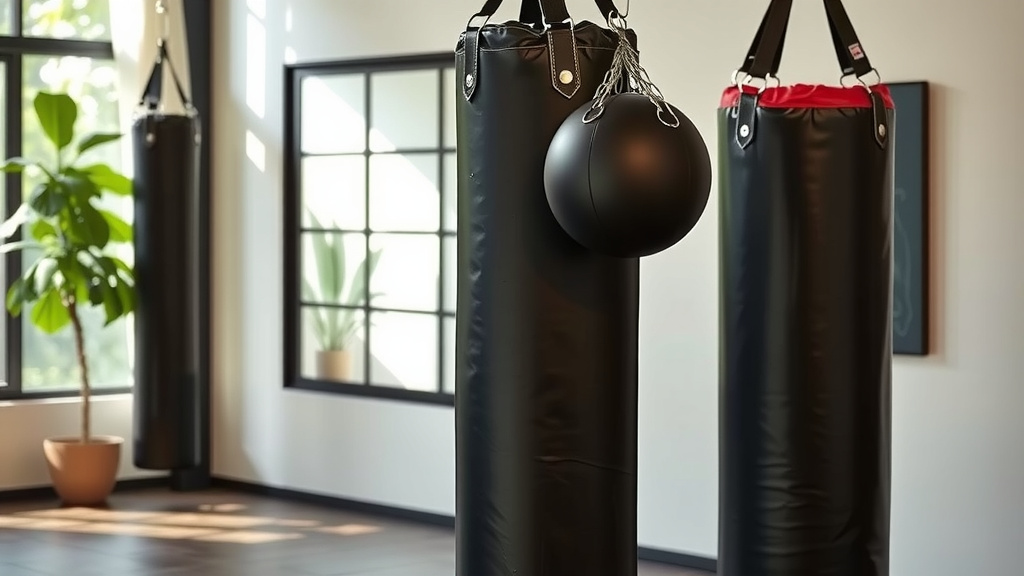
When deciding between an 80 lb vs 100 lb punching bag, the 100 lb bag is generally better for most people looking to build serious power and technique. While an 80 lb bag offers a good workout, the extra weight of the 100 lb option provides greater stability, which is crucial for practicing powerful punches and combinations without excessive swaying. Think of it like this: you wouldn’t want your heavy bag to wobble away every time you land a solid jab!
Choosing the right punching bag weight impacts your training effectiveness. A lighter bag might feel easier to move, but it doesn’t offer the same resistance for developing knockout power or realistic sparring practice. We found that many boxers and martial artists recommend starting with a heavier bag if your space and physical ability allow, to get the most bang for your buck. It’s about building a solid foundation for your striking skills.
TL;DR:
- A 100 lb bag is usually the better choice for serious training.
- It offers more stability for powerful punches.
- Lighter bags can wobble too much.
- Weight impacts your training progress.
So, how do you know which one is truly right for your home gym? Let’s break down the differences to help you make the best choice for your fitness goals.
Choosing Your Punching Bag Weight: 80 lbs vs. 100 lbs
Deciding between an 80 lb and 100 lb punching bag comes down to your training goals and physical capabilities. We found that most people looking for serious power development benefit more from the heavier option. It provides the stability you need for effective training. Let’s look at how each weight class stacks up.
Understanding Punching Bag Weights
Punching bag weights aren’t just about brute force. They affect how the bag moves and reacts to your strikes. A lighter bag might swing wildly. A heavier bag offers more resistance. This resistance is key for muscle building and technique refinement.
The Role of Stability
Stability is king when you’re practicing hard. When you throw a punch, you want to feel the bag absorb the impact and return. You don’t want it to swing so much that you lose your balance or your follow-through. Many fighters report that an unstable bag hinders their ability to practice combinations smoothly. A 100 lb bag offers much better stability than an 80 lb bag.
Benefits of an 80 lb Punching Bag
An 80 lb bag is a solid choice for many home gyms. It’s often easier to manage. You might find it requires less space to set up. It’s also generally more affordable. For beginners, it can be a good starting point to get used to hitting something solid.
Who is an 80 lb Bag Best For?
We found that individuals who are lighter or less experienced might find an 80 lb bag more suitable. It’s still a substantial weight that can provide a good workout. It allows you to develop speed and some power. It’s also a great option if you have limited space or ceiling height. Just be aware that it might require more effort to stabilize manually between powerful combinations.
Advantages of a 100 lb Punching Bag
The 100 lb bag really shines when you’re looking to build serious power. Its increased weight means it stays put better. This allows you to put more force into your strikes. You can practice throwing heavier punches and feel the resistance. This helps develop strength and power endurance.
Why 100 lbs is Often Recommended
Many boxing and martial arts trainers recommend a 100 lb bag for intermediate to advanced practitioners. It mimics the resistance of a sparring partner more closely. You can practice explosive movements. The bag’s minimal sway helps you focus on proper form and follow-through. Research in sports science suggests that resistance training, like hitting a heavy bag, helps improve power output (NCBI).
Impact on Power and Technique
When you hit a heavier bag, your muscles work harder. This leads to greater strength gains over time. You also learn to generate power from your entire body, not just your arms. This is essential for effective striking. Many boxers find that training on a 100 lb bag translates directly to harder punches in sparring or competition.
Direct Comparison: 80 lb vs. 100 lb
Let’s break down the key differences you’ll notice during your training sessions.
| Feature | 80 lb Punching Bag | 100 lb Punching Bag |
|---|---|---|
| Stability | Moderate; can sway significantly with powerful strikes. | High; remains more stable, allowing for greater force. |
| Power Development | Good for developing speed and moderate power. | Excellent for building significant power and strength. |
| Technique Practice | Can be challenging to practice complex combinations due to swaying. | Ideal for practicing powerful combinations and form. |
| Beginner Friendliness | More forgiving for those new to striking. | Requires more strength and technique to use effectively. |
| Space/Mounting | Often easier to hang and requires less robust mounting. | Needs secure, sturdy mounting due to its weight. |
Factors to Consider Before Buying
Before you make your final decision, think about a few things. Your current fitness level is important. How much space do you have for the bag? What are your long-term training goals? Answering these will guide you to the best choice.
Your Physical Condition
If you’re new to striking or have less upper body strength, an 80 lb bag might be a gentler introduction. It allows you to build up your stamina and technique. If you’re already training consistently and have good physical conditioning, a 100 lb bag will offer more challenge and reward.
Available Space and Mounting
Consider where you’ll hang your bag. Do you have a sturdy ceiling beam or a strong wall mount? A 100 lb bag requires a more robust mounting system. If your space is limited or your mounting options are less than ideal, an 80 lb bag might be more practical. Always ensure your setup is secure, regardless of bag weight.
Long-Term Training Objectives
What do you want to achieve? Are you aiming for general fitness, improving boxing skills, or training for competition? For those serious about developing knockout power and advanced techniques, the 100 lb bag is often the superior choice. It provides the resistance needed for meaningful progress. Many athletes stick with heavier bags as they advance.
Making Your Final Decision
Ultimately, both bags offer great workouts. But for most individuals aiming to build power, improve technique, and enjoy a more stable training experience, the 100 lb punching bag tends to be the preferred option. It’s an investment in your training that pays off in enhanced performance. If you can accommodate its weight and mounting needs, go for the 100 lb bag.
- Assess your current strength.
- Consider your training goals.
- Check your mounting options.
- Think about long-term needs.
- Don’t be afraid of a challenge.
Conclusion
After looking at the 80 lb vs 100 lb punching bag options, it’s clear that the 100 lb bag is often the better investment for most serious trainees. While an 80 lb bag offers a good starting point, the superior stability of the 100 lb bag allows for more effective power development and technique practice. You’ll find it doesn’t sway as much, letting you focus on your form. If your space and mounting can handle it, you’ll get a more rewarding workout and better results over time. Make the choice that best supports your training goals and start building that power!
Frequently Asked Questions
Is an 80 lb punching bag too light for an adult?
Not necessarily. An 80 lb bag can still provide a challenging workout for many adults, especially those who are newer to striking or focused on speed and cardio. It’s a good choice if you have space constraints or need something easier to manage.
Can I build real power with an 80 lb bag?
You can develop some power with an 80 lb bag, but its lighter weight means it will move more on impact. This can make it harder to transfer maximum force. For significant power gains, a heavier bag like the 100 lb option offers better resistance and stability.
What happens if I hang a 100 lb bag with a weak mount?
Hanging a 100 lb bag with an inadequate mount is dangerous. The bag could fall, causing serious damage to your property or injury to yourself or others. Always ensure your mounting system is rated for the weight and securely installed.
Is a 100 lb punching bag hard to move around?
Yes, a 100 lb punching bag is quite heavy and can be challenging to move once filled. Consider its permanent placement before you fill it. If you think you’ll need to relocate it frequently, an 80 lb bag or a bag with a swivel mount might be more practical.
Will a 100 lb bag damage my floor if I use a free-standing setup?
If you’re using a free-standing bag stand for a 100 lb bag, it’s unlikely to damage your floor unless you’re slamming it excessively or have very delicate flooring. The weight is distributed across the stand’s base. However, it’s always wise to place a mat underneath for added protection and to prevent slippage.

![10 What Is The Best Leather Bag [2026]](https://mybestreviewss.com/wp-content/uploads/2026/08/10-what-is-the-best-leather-bag-2026-featured-768x432.jpg)