
70 lb vs 100 lb Heavy Bag: Which is Right for You
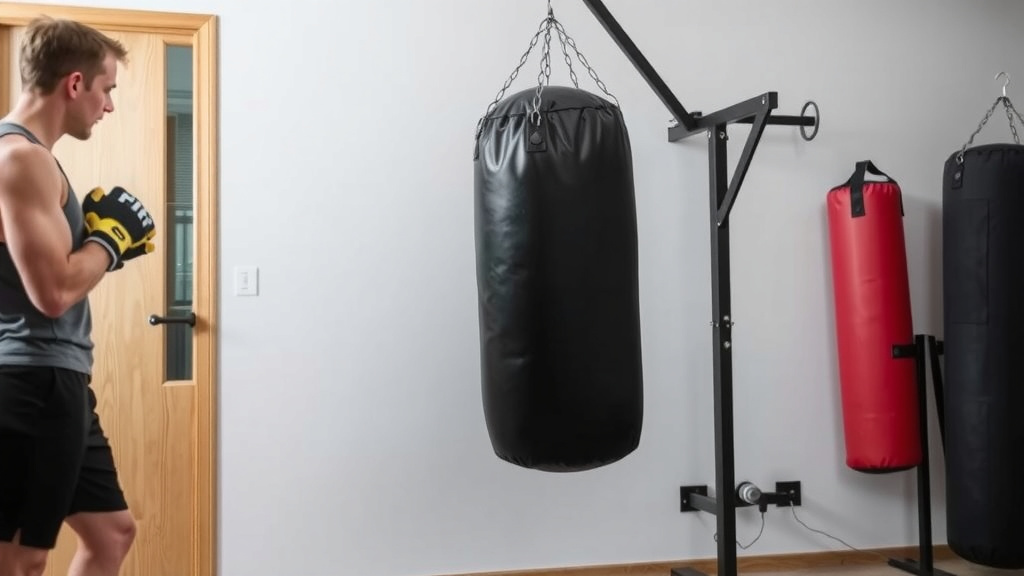
When choosing between a 70 lb heavy bag and a 100 lb heavy bag, the 100 lb bag is generally better for serious power. Heavier bags offer more stability and resistance for advanced training. A 70 lb bag can be a good starting point for beginners or those focused more on speed and technique.
Your choice depends heavily on your current skill level and training goals. We found that a heavier bag, like the 100 lb option, provides a more realistic feel for simulating a real opponent’s resistance. The 70 lb bag might move around too much for developing powerful, grounded punches.
- 100 lb bags offer more stability for power punches.
- 70 lb bags are better for speed and technique for beginners.
- Consider your experience level carefully.
- A heavier bag provides a more realistic resistance.
Let’s walk through the key differences to help you decide which heavy bag is your perfect training partner.
Choosing Your Heavy Bag: A Weighty Decision
So, you’re ready to take your training to the next level. That’s fantastic! A heavy bag is a cornerstone of martial arts and fitness training. But now you’re faced with a common question: should you go for a 70 lb model or a 100 lb one? It’s like choosing between a trusty sedan and a more robust truck – both get you there, but they offer different experiences. We found that the right weight can truly transform your workouts.
Understanding Heavy Bag Dynamics: Weight Matters
The weight of your heavy bag directly impacts its stability and how it reacts to your punches and kicks. Think of it like trying to push a small car versus a large SUV. The heavier object is much harder to move.
The Physics of Impact: Why Weight is Key
When you strike a heavy bag, you’re not just hitting padding; you’re engaging with its resistance and momentum. A lighter bag will swing more wildly. This can be fun for some drills, but it doesn’t always translate to developing serious power. A heavier bag absorbs more of your impact. It stays more grounded, giving you a more solid surface to work with. Many coaches agree that this solid feedback is vital for proper power transfer from your body to the target.
Stability: The Foundation of Your Power
We’ve all seen those videos of lighter bags getting tossed around like rag dolls. While entertaining, this isn’t ideal for serious training. A 100 lb heavy bag offers superior stability. It minimizes excessive swinging and wobbling. This allows you to focus on planting your feet and driving your power through your shots. This stability is like having a sturdy anchor for your strikes.
Movement and Reaction: A Tale of Two Bags
A 70 lb bag will naturally move more when struck. This can be beneficial for developing reflexes and hand-eye coordination. You’ll have to adjust your follow-through as the bag shifts. However, this increased movement can sometimes detract from building raw power. You might find yourself compensating for the bag’s motion rather than focusing on your own technique. We found that for pure power development, less bag movement is generally preferred.
Who is Each Bag Best For?
Your personal goals and current physical condition play a huge role in this decision. Let’s break down who might benefit most from each weight class.
The 70 lb Heavy Bag: A Good Starting Point
If you’re relatively new to striking or have a smaller frame, a 70 lb bag can be an excellent choice. It’s less intimidating and easier to manage. Beginners can use it to develop fundamental punching technique and coordination. It’s also suitable for those focused more on speed drills. You can work on quick combinations without feeling overwhelmed by the resistance. We found that many entry-level users appreciate the less demanding nature of a lighter bag.
Benefits for Beginners
For someone just starting out, a 70 lb bag offers a less jarring experience. It allows you to practice your footwork and learn how to generate power without risking injury. You can build confidence and muscle memory. Many users report that it helps them get comfortable with the act of hitting a bag.
Focus on Speed and Agility
If your training goals lean towards speed, agility, and rapid-fire combos, a 70 lb bag can be ideal. It moves readily, forcing you to adapt quickly. Think of it as training for a fast, darting opponent. It helps you keep your hands and feet moving. Research suggests that varied training stimuli can enhance overall athletic performance.
The 100 lb Heavy Bag: For Serious Power Development
Now, let’s talk about the 100 lb bag. This is where you really start to feel the resistance. If you’re looking to build serious knockout power and simulate the feel of hitting a more substantial target, this is likely your best bet. Many professional fighters and advanced amateurs prefer bags in this weight range or even heavier. We found that the increased weight provides a more challenging workout for your muscles.
Developing Raw Power
The extra weight means the 100 lb bag demands more force to move. This directly translates into building the kind of strength and power needed for impactful strikes. When you hit a 100 lb bag correctly, you’re engaging your core, hips, and legs more effectively. It’s a more demanding exercise for your entire kinetic chain. Many training protocols highlight the importance of progressive overload, and a heavier bag fits this perfectly.
Realistic Training Simulation
A 100 lb bag offers a more realistic simulation of resistance. It mimics the feeling of striking a firm, unyielding opponent much better than a lighter bag. This realism is key for sparring preparation. You learn to drive through your punches, not just tap them. We found that this type of feedback helps in developing proper power transfer mechanics, as recommended by sports science principles.
Comparing Key Features: A Quick Glance
Let’s put the main differences side-by-side to help you visualize your choice.
| Feature | 70 lb Heavy Bag | 100 lb Heavy Bag |
|---|---|---|
| Stability | Moderate; swings more | High; stays more grounded |
| Resistance | Lower; easier to move | Higher; demands more power |
| Ideal For | Beginners, speed drills, technique focus | Power development, advanced users, realistic simulation |
| Movement | Significant; requires adjustment | Minimal; solid feedback |
| Muscle Engagement | Good for conditioning and speed | Excellent for strength and power building |
Making Your Final Decision: What to Consider
Ultimately, the best heavy bag for you is the one that aligns with your training objectives and physical capabilities. Don’t rush this choice; it’s an investment in your fitness journey.
Assess Your Experience Level
Be honest with yourself. Are you just starting out, or have you been training for a while? For beginners, a 70 lb bag is a smart, safe introduction. For intermediate to advanced users, a 100 lb bag will offer a more substantial challenge.
Define Your Training Goals
What do you want to achieve? If it’s about building raw power, power endurance, and realistic impact, the 100 lb bag is the winner. If your focus is on speed, accuracy, and quick combinations for now, the 70 lb bag might be more suitable. Many experts suggest focusing on technique first, which a lighter bag can help with.
Consider Your Space and Mounting
While both bags are manageable, a heavier bag can put more stress on your mounting system. Ensure you have a sturdy ceiling mount or a strong stand that can handle the extra weight and force. Check the weight limit of your setup. You wouldn’t want your bag coming down mid-workout!
Think About Future Progression
If you’re a beginner but serious about long-term progress, you might consider starting with a 70 lb bag and eventually upgrading to a heavier one. Alternatively, if you have the physical capacity and drive, starting with a 100 lb bag could accelerate your development. We found that many individuals who start lighter eventually move to heavier bags as their strength and technique improve.
Your Heavy Bag Checklist
Before you click “add to cart,” run through this quick checklist:
- Am I a beginner or experienced?
- Is my primary goal power or speed/technique?
- Can my mounting system support the weight?
- Do I have enough space for proper movement?
- What is my long-term training progression plan?
Conclusion
Choosing between a 70 lb and 100 lb heavy bag boils down to your personal training journey. A 70 lb bag is your friendly introduction, perfect for honing speed, technique, and building coordination without overwhelming you. If raw power, stability, and a realistic feel for striking are your main goals, the 100 lb bag is the clear winner, offering a more demanding workout that builds serious strength. We found that assessing your current skill level and defining your objectives are the most critical steps. Now, take a moment to consider these points and select the bag that will truly help you reach your fitness and combat goals.
Frequently Asked Questions
Will a 70 lb heavy bag move too much for effective training?
A 70 lb bag will move more than a 100 lb bag. This movement can be beneficial for practicing reflexes and hand-eye coordination. You’ll need to learn to adjust to its motion. However, for developing maximum power, less movement from the bag is generally preferred.
Is a 100 lb heavy bag too heavy for a beginner?
For many beginners, a 100 lb bag can be quite challenging. We found that it might feel too resistant initially, potentially impacting technique if you’re not ready. A 70 lb bag often provides a more forgiving entry point for those new to striking.
Can I really build knockout power with a 70 lb bag?
You can certainly build foundational power and speed with a 70 lb bag. It helps with proper form and muscle memory. For developing truly heavy, knockout-level power, a heavier bag like the 100 lb model offers more resistance, which is key for progressive overload.
How does the bag’s weight affect my workout intensity?
A heavier bag, like the 100 lb option, will inherently provide a more intense strength and power workout. It demands more force to move, engaging your muscles more deeply. A 70 lb bag is excellent for cardiovascular conditioning and speed drills, offering a different type of workout intensity.
Should I choose a lighter bag if I have limited space?
Bag weight primarily affects stability and resistance, not necessarily the space needed for your own movement. However, a lighter bag might be easier to handle and potentially reposition if space is extremely tight. Always ensure you have adequate room to move around your chosen bag safely.

![10 Best Leather Carry On Bags [2026]](https://mybestreviewss.com/wp-content/uploads/2026/09/10-best-leather-carry-on-bags-2026-featured-768x432.jpg)