70 lb vs 100 lb Punching Bag: Which Is Right For You
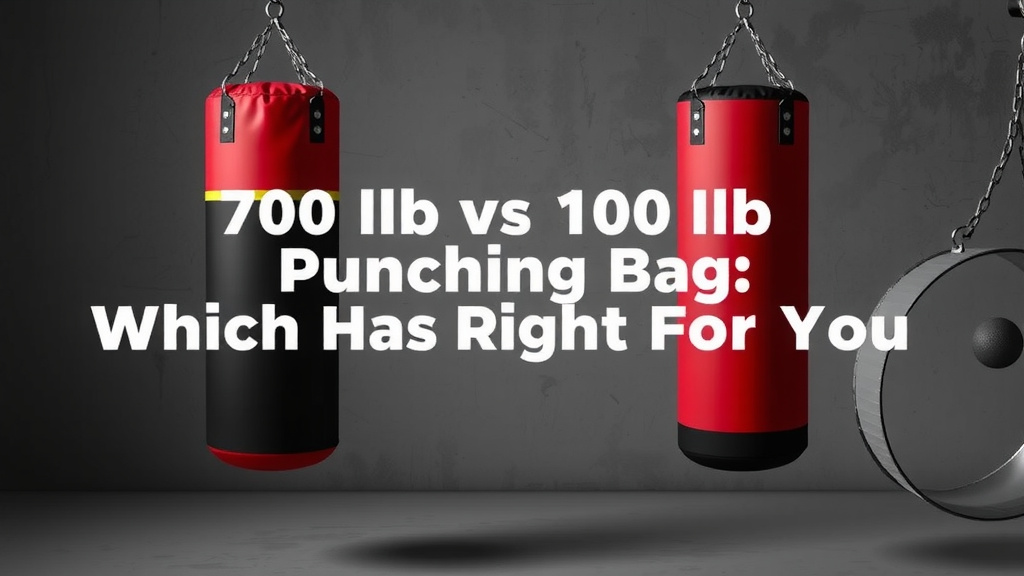
When choosing between a 70 lb and a 100 lb punching bag, the best choice for you depends on your training goals and experience level. A 70 lb bag offers more speed and rebound, ideal for beginners and those focusing on technique. A 100 lb bag provides a firmer target, better for power punching and advanced users.
We found that this weight difference impacts your workout significantly. Heavier bags require more power to move, leading to a more demanding strength workout. Lighter bags allow for quicker combinations and improved hand speed drills. Your personal physical strength is a key factor in determining which bag is right.
- 70 lb bags are great for beginners and speed training.
- 100 lb bags are better for power and advanced users.
- Bag weight affects rebound speed and workout intensity.
- Consider your strength and training goals.
Let’s break down what makes each weight suitable for different needs and how to pick the perfect one for your home gym.
Choosing Your Ideal Punching Bag Weight
Deciding between a 70 lb and a 100 lb punching bag really boils down to what you want to get out of your training. Each weight offers a distinct feel and demands a different kind of workout. We’ve looked into what makes each one suitable for various goals.
How Bag Weight Affects Your Workout
The weight of your punching bag is a direct influencer on your training. A heavier bag will move less with each strike. This means you’ll need to put more power behind your punches to make it swing. This can be great for building strength. A lighter bag, conversely, will move more easily.
The Impact of Rebound and Movement
Think about how a punching bag reacts when you hit it. A 70 lb bag will typically have a quicker rebound. This means it will swing back towards you faster after you hit it. This quality is fantastic for practicing fast combinations and keeping your hands moving.
On the other hand, a 100 lb bag will have a slower, more deliberate swing. It absorbs more of your impact. This makes it feel more like hitting a solid target. You won’t be dodging it as much. This slower movement can help you focus on the power of each individual strike.
Speed vs. Power: What’s Your Focus?
If your main goal is to improve your hand speed and learn quick, fluid combinations, a 70 lb bag is likely a better fit. It allows you to throw punches rapidly without being overwhelmed by the bag’s reaction. Many boxers use lighter bags for this specific purpose, especially when they are starting out or warming up.
Now, if you’re looking to develop knockout power and practice hitting with force, a 100 lb bag shines. It requires more commitment from you with every punch. This resistance helps build the muscle memory and power needed for heavy strikes. Many seasoned fighters prefer this type of bag for their power training sessions.
Considering Your Personal Strength and Experience
Your own physical capabilities play a huge role. Are you new to boxing or martial arts? A 70 lb bag is often recommended for beginners. It’s less intimidating and allows you to build confidence and proper technique without overexerting yourself.
If you’ve been training for a while and have a good base level of strength, you might find a 100 lb bag more challenging and rewarding. Pushing a heavier bag helps build the strength and endurance needed for more advanced training.
Beginner Friendly: The 70 lb Punching Bag
For many just starting their fitness journey with a punching bag, the 70 lb option is the way to go. It’s manageable, responsive, and helps you develop good habits. You can practice footwork and defensive maneuvers more easily because the bag doesn’t require a huge amount of force to move.
We found that using a lighter bag early on can prevent injury. It allows your joints and muscles to adapt to the repetitive motion of striking. It’s also easier to set up and hang in most home gyms.
Advanced Training: The 100 lb Punching Bag
When you’re ready to step up your game, the 100 lb bag offers a more robust workout. It demands respect. You’ll feel the difference in your arms and shoulders after a good session. This is where you really hone your power punches.
Think of it like this: trying to push a small shopping cart versus a full grocery cart. The full cart takes more effort, right? The 100 lb bag is similar. It gives you that extra resistance that’s great for building serious power.
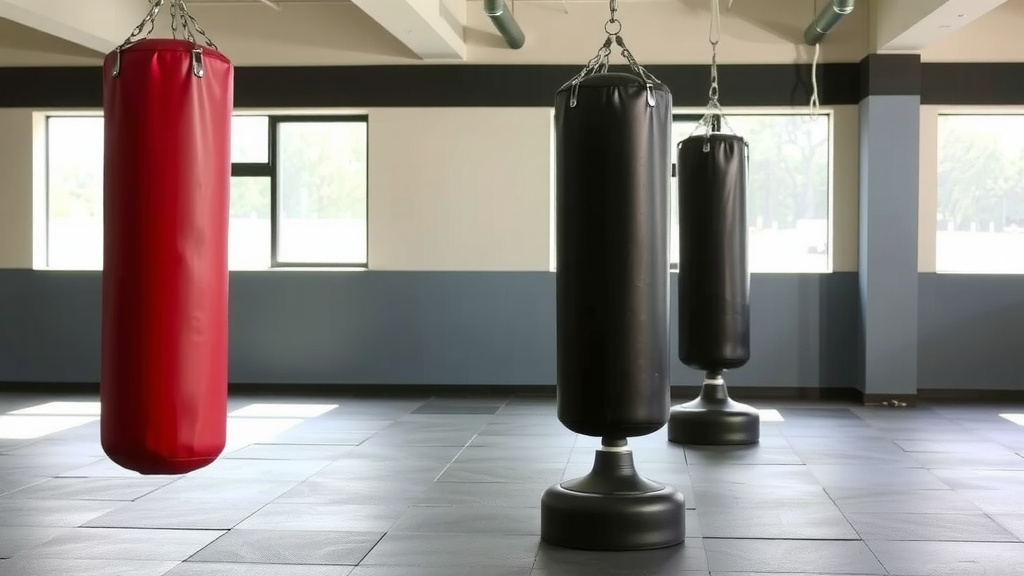
What Type of Bag Filling Matters?
The weight of a punching bag is also influenced by what’s inside it. Most heavy bags are filled with a combination of materials. Sand, rags, sawdust, or specialized synthetic filling are common. The type and density of the filling determine how the bag feels and weighs.
A bag that’s primarily filled with sand might feel denser and heavier for its size compared to one filled with soft rags. However, too much sand can make a bag too hard and potentially harmful to your hands and wrists (Cleveland Clinic).
| Feature | 70 lb Punching Bag | 100 lb Punching Bag |
|---|---|---|
| Ideal For | Beginners, speed training, technique work | Intermediate to advanced, power training, strength building |
| Rebound Speed | Fast, quick return | Slower, more deliberate return |
| Movement | Moves easily, good for footwork practice | Requires more power to move, absorbs impact well |
| Workout Focus | Hand speed, combinations, accuracy | Power, endurance, strength |
| Beginner Suitability | High | Moderate to Low |
| Advanced Suitability | Good for speed drills | Excellent for power development |
Making Your Final Decision: A Checklist
Still wondering which one is right for you? Let’s run through a quick checklist. This should help you see which bag aligns best with your home gym dreams and fitness goals.
- Assess Your Experience: Are you a total beginner or have you trained before?
- Define Your Goals: Do you want to punch faster or hit harder?
- Consider Your Strength: How strong are you currently? Can you handle a heavier object?
- Think About Your Space: Do you have enough room to move around a bag that swings a lot?
- Listen to Your Body: What feels right for your joints and muscles?
By thinking through these points, you can make a confident choice. Both bags offer a great workout, but one will likely serve your personal training journey better than the other.
Conclusion
Choosing between a 70 lb and a 100 lb punching bag comes down to your personal fitness journey. A 70 lb bag is your best bet if you’re focused on developing speed, quick combinations, and refining your technique. It offers a responsive feel that’s ideal for beginners or for practicing rapid-fire drills. On the flip side, the 100 lb bag is built for those ready to pack a serious punch. It provides the resistance needed to build raw power and strength, making it a favorite for intermediate to advanced trainees.
We found that your current strength and training goals are the ultimate deciding factors. Listen to your body, consider what you want to achieve, and make the choice that will best support your progress. Ready to take the next step? Measure your available space and decide if you’re aiming for speed or brute force. Your perfect bag awaits!
Frequently Asked Questions
Will a 70 lb bag be too light for me if I have some boxing experience?
If you have prior boxing or martial arts training, a 70 lb bag might feel a bit light for power training. It’s excellent for speed work and technique, but you might find it swings too much if you’re used to hitting harder targets. You might progress to a heavier bag sooner if power is a primary goal.
Can a 100 lb bag be too heavy for a beginner?
Yes, a 100 lb bag can be quite challenging for an absolute beginner. It requires more force to move, which could lead to improper form or strain if your muscles and joints aren’t ready. Starting with a lighter bag like a 70 lb one allows you to build a solid foundation.
Does the filling of the punching bag matter for its weight?
Absolutely. The type of filling significantly affects the bag’s density and how it feels. Bags filled with denser materials like sand or specialized synthetic fillers will feel heavier and more solid than those filled primarily with rags or fabric scraps for the same stated weight.
How much space do I need for a 70 lb vs. a 100 lb punching bag?
Generally, you’ll need a bit more clearance for a 70 lb bag because it swings more with each hit. While a 100 lb bag requires less space for movement, you still need ample room for your footwork and striking angles. Aim for at least 3-4 feet of clear space around the bag.
Can I use a 100 lb bag for speed drills?
While a 100 lb bag is primarily for power, you can still incorporate speed drills, but the effect will be different. The slower rebound means you’ll have less time to react. This can actually help improve your reaction time and the speed of your follow-up punches after a strong initial hit.