Backpack vs Duffle Bag for Gym: Which is Best for You
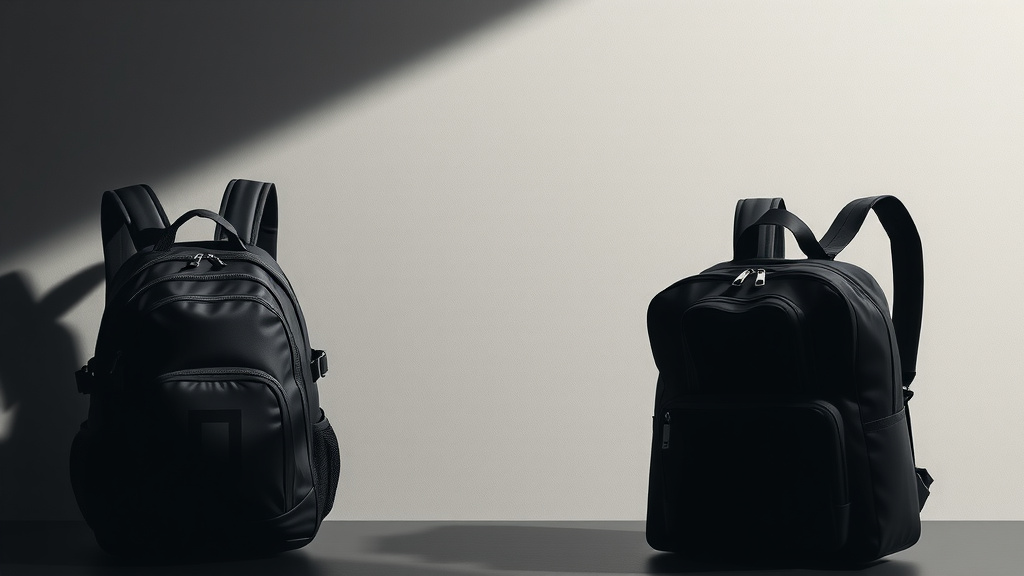
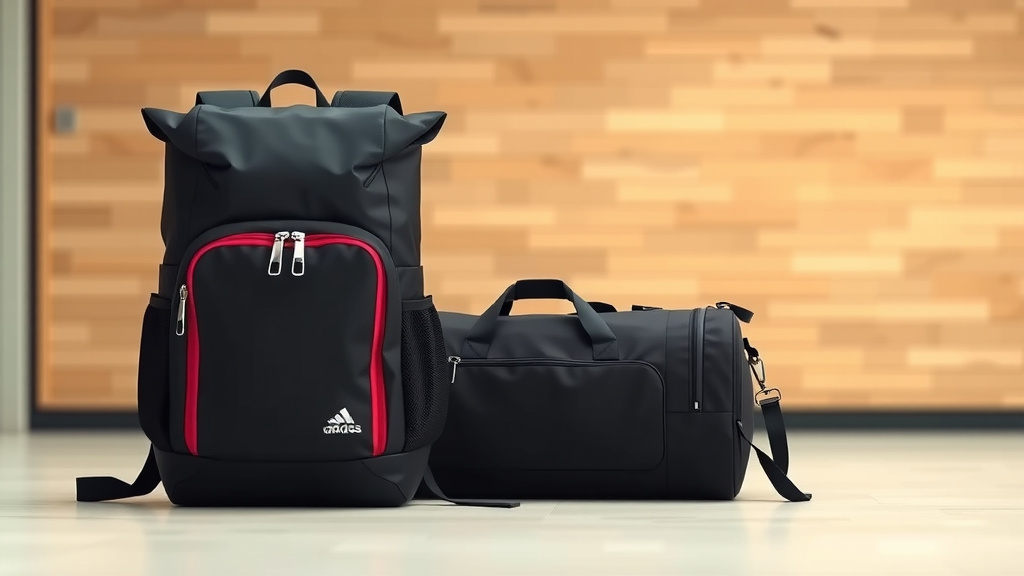
For your gym gear, a backpack is often the better choice for its comfort and organization. While a duffle bag offers easy access, backpacks distribute weight evenly, making your commute much easier. We found that backpacks protect your belongings better from the elements, too.
Choosing the right gym bag boils down to your gym habits and personal needs. Think about how much you carry and how you get to the gym. We’ve looked at both options and found that balancing convenience and comfort is key for your daily grind.
- Backpack: Great for comfort, organization, and protecting gear.
- Duffle Bag: Easy access, but can be awkward to carry.
- Consider your commute and what you pack.
- Your personal preference matters most.
Let’s break down the pros and cons of each to help you decide which bag will be your new workout buddy.
“`htmlBackpack vs. Duffle Bag: Which Gym Companion Is Right for You?
When it comes to hauling your gym gear, the choice between a backpack and a duffle bag often comes down to how you move through your day. We found that the type of bag can impact your comfort and how efficiently you pack. Let’s get down to the nitty-gritty to see which one fits your lifestyle best.
The Comfort Factor: Carrying Your Load
How you get to the gym makes a big difference. Are you walking, biking, or driving? This dictates how the bag feels on your body.
Backpacks: The Ergonomic Choice
Backpacks are designed to distribute weight evenly across your back and shoulders. This is a huge win for your posture and overall comfort. We found that carrying a fully packed backpack often feels lighter than a duffle of the same weight. It keeps your hands free, too.
- Even Weight Distribution: Reduces strain on one side of your body.
- Hands-Free Convenience: Great for commuting, especially if you use public transport or bike.
- Improved Posture: Less likely to cause slouching compared to swinging a heavy duffle.
Duffle Bags: The Carry Conundrum
Duffle bags are typically carried by a single strap or two handles. This means the weight is concentrated on one shoulder or in one hand. We observed that this can lead to an uneven pull on your body, especially if your gym bag is packed to the brim. You might find yourself switching shoulders often.
- Potential for Strain: Carrying heavy loads can stress your shoulder and back.
- Awkwardness: Can be cumbersome when navigating crowded spaces.
- Easy to Swing: While convenient for short distances, it’s not ideal for a long trek.
Organization and Access: Finding Your Stuff
Ever dug through your bag for five minutes just to find your deodorant? We’ve all been there. How a bag is designed impacts how easily you can find what you need.
Backpacks: Pockets Galore
Most gym backpacks come with multiple compartments and pockets. This makes it easy to separate your clean clothes from your sweaty gear, your shoes from your water bottle, and your small items from your larger ones. Many have dedicated laptop sleeves, which can be useful if you head to the gym straight from work.
- Structured Compartments: Keep items neat and easily accessible.
- Specialized Pockets: Often include ventilated shoe compartments or water bottle holders.
- Protection for Electronics: Padded sleeves safeguard devices.
Duffle Bags: Open Access
Duffle bags generally offer a large, main compartment. This means you can toss everything in and pull it out quickly. If you need to grab your towel in a hurry, a duffle makes it simple. However, this open design can lead to a jumbled mess if you’re not careful.
- Simple and Spacious: Easy to pack large items.
- Quick Grab Capability: Ideal for items you need in a flash.
- Potential for Chaos: Everything tends to mix together without organization.
Durability and Protection: Keeping Your Gear Safe
Your gym bag carries essentials like your workout clothes, shoes, and sometimes even a laptop. Keeping them protected is key.
Backpacks: Built to Last and Protect
Many backpacks are made from durable, water-resistant materials. They often feature reinforced stitching and sturdy zippers. We found that backpacks generally offer better protection from the elements, keeping your belongings dry during unexpected rain showers. The structure of a backpack also helps prevent items from getting crushed.
- Weather Resistance: Many materials can handle light rain or spills.
- Structural Integrity: Protects contents from external pressure.
- Longevity: Often built with robust materials for frequent use.
Duffle Bags: Exposed and Vulnerable?
While many duffle bags are made of tough fabric, their often less structured nature can leave them more susceptible to damage. If you’re traveling or your bag gets tossed around, items inside might not be as protected. We’ve seen that some duffles might not offer the same level of water resistance as a well-made backpack.
- Material Strength: Can vary greatly by brand and price point.
- Less Structural Support: Contents can be more prone to impact.
- Water Resistance: Not always a standard feature.
Capacity and What You Carry
What goes into your gym bag? The amount and type of items you pack are crucial factors.
Backpack Sizing and Shape
Gym backpacks come in various sizes. A smaller one might be perfect for just a change of clothes and a water bottle. A larger one can accommodate shoes, towels, and even a separate lunch bag. We found that the vertical design of backpacks can make them feel larger than duffles with the same stated capacity.
Duffle Bag Versatility
Duffle bags are often favored for their ability to expand or simply fit a lot. If you’re someone who packs for a long day, including post-gym activities, a duffle might seem appealing. They are generally easy to stuff with bulky items like towels and jackets.
Making Your Final Decision: A Quick Checklist
To help you narrow it down, consider these points:
- Your Commute: How do you get to the gym?
- What You Pack: Do you need room for shoes, a laptop, or a full meal prep?
- Comfort Level: How important is it that your bag feels light and balanced?
- Organization Needs: Do you prefer everything in its place, or a grab-and-go approach?
- Weather: Do you often walk or bike in potentially wet conditions?
- Style Preference: Which bag appeals to your personal aesthetic?
Conclusion
Ultimately, your choice between a backpack and a duffle bag depends on your workout routine. If comfort and organization are your top priorities, especially for a longer commute, a backpack is likely your best bet. It distributes weight evenly and protects your gear. For quick gym sessions where easy access is key, a duffle bag might serve you well, but be mindful of how you carry it. We’ve shown you the pros and cons, so now it’s time to decide. Visit your local sporting goods store and try both on to see which one truly feels like the right fit for your active lifestyle.
Frequently Asked Questions
Can a backpack really protect my gym clothes from getting wet in the rain?
Many gym backpacks are made with water-resistant materials. We found that these materials offer good protection against light rain or splashes. While not fully waterproof, they do a better job of keeping your belongings dry compared to many standard duffle bags.
Is a duffle bag better if I need to pack bulky items like boxing gloves or a basketball?
Yes, a duffle bag is often better for very bulky items. Its open, cavernous main compartment makes it easier to stuff larger, awkwardly shaped gear inside. Backpacks can accommodate these, but it might be a tighter squeeze.
Which type of bag is generally easier to keep clean?
Generally, backpacks can be easier to keep clean. Their structured compartments help prevent dirt and debris from getting everywhere, and many have wipeable linings. Duffle bags, with their open design, can sometimes accumulate more loose items and dust.
I have a bad shoulder. Which bag would be more comfortable for me?
If you have shoulder issues, a backpack is almost always the more comfortable choice. We found that backpacks distribute weight across both shoulders and your back, significantly reducing strain. A duffle bag concentrates weight on a single shoulder, which can aggravate existing pain.
How do I know if I need a small gym backpack or a larger one?
Consider what you bring to the gym daily. If it’s just a change of clothes and a water bottle, a smaller backpack suffices. If you pack shoes, a towel, a laptop, and a meal, you’ll need a larger capacity backpack. We suggest assessing your typical loadout before buying.
![10 Best Leather Bucket Bag [2026]](https://mybestreviewss.com/wp-content/uploads/2026/09/10-best-leather-bucket-bag-2026-featured-768x432.jpg)
![10 Best Leather Laptop Bag Men'S [2026]](https://mybestreviewss.com/wp-content/uploads/2026/09/10-best-leather-laptop-bag-men-s-2026-featured-768x432.jpg)
![10 Best Leather Duffle Bag For Travel [2026]](https://mybestreviewss.com/wp-content/uploads/2026/09/10-best-leather-duffle-bag-for-travel-2026-featured-768x432.jpg)