
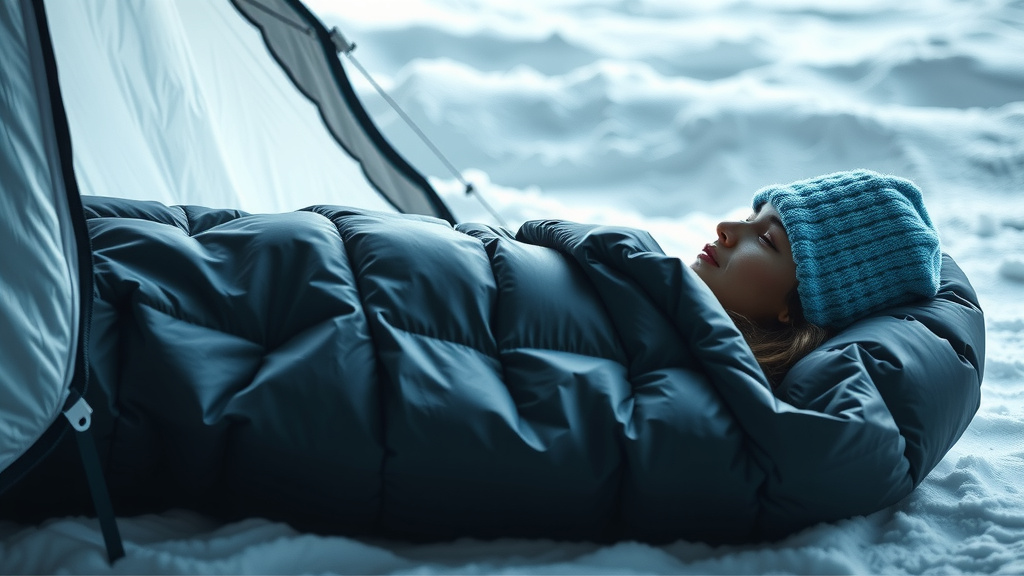
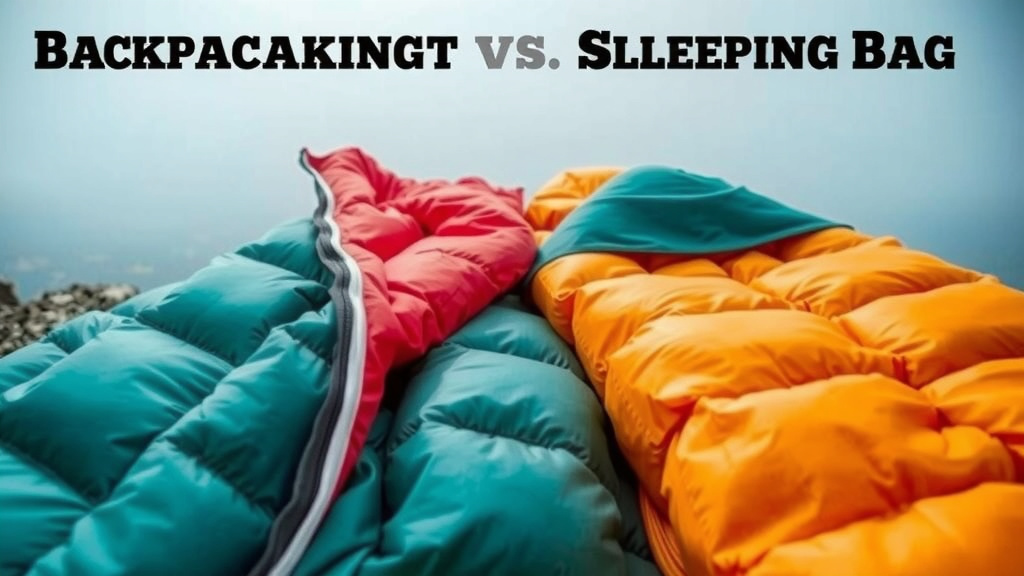
Backpacking Blanket vs Sleeping Bag: Which is Best for You
Choosing between a backpacking blanket and a sleeping bag depends on your trip’s needs. For serious warmth and protection in colder weather, a sleeping bag is generally superior. Blankets offer more versatility for milder conditions and creative uses.
We found that while both can keep you warm, they excel in different scenarios. A sleeping bag is designed for a snug fit to trap body heat efficiently. A backpacking blanket, on the other hand, can be used as a quilt, a ground cloth, or even a makeshift shelter.
- Sleeping bags offer more warmth in cold weather.
- Blankets are versatile for mild weather and multi-use.
- Consider temperature ratings for sleeping bags.
- Think about packability and weight for both.
- Blankets can be layered for extra warmth.
Let’s dive into the specifics of each to help you decide which is the better fit for your next adventure.
Choosing Your Warmth: Backpacking Blanket vs. Sleeping Bag
Deciding between a backpacking blanket and a sleeping bag boils down to what you need most. Think of it like packing for a picnic versus a winter camping trip. Both can serve a purpose, but one is clearly built for more extreme conditions. We’ve looked at what makes each unique.
Understanding the Sleeping Bag
A sleeping bag is essentially a portable, insulated cocoon. Its primary job is to keep you warm by trapping your body heat. They come in various shapes and fill materials, each designed for specific temperature ranges. Many sleeping bags feature a zipper, allowing you to regulate temperature by opening them up.
Temperature Ratings: A Crucial Factor
This is where sleeping bags really shine. You’ll see temperature ratings like “0°F,” “20°F,” or “40°F.” These numbers are a guide to the lowest temperature the bag is designed to keep an average sleeper comfortable. It’s important to note that these are estimates, and your personal comfort can vary based on many factors like metabolism, what you wear, and how dry you are (National Park Service).
Fill Materials: Down vs. Synthetic
The material inside your sleeping bag makes a big difference. Down is lighter, more compressible, and an excellent insulator when dry. However, it loses most of its insulating power when wet. Synthetic fills are more affordable, retain some warmth even when damp, and dry faster. For wet environments, synthetic might be the smarter choice.
Exploring the Backpacking Blanket
A backpacking blanket, often called a quilt, is much more freeform. It’s basically a large, insulated blanket without a zipper or a hood. Its beauty lies in its versatility. You can use it in many ways, making it a flexible item for lighter trips.
Versatility in Use
One of the biggest advantages of a backpacking blanket is its adaptability. You can use it as a traditional blanket around the campfire. Layer it over a sleeping bag for extra warmth on a chilly night. Some people even use them as a ground cloth or a makeshift tarp. This multi-use aspect can save weight and space in your pack.
Quilts for Weight Savings
Many backpacking blankets are designed as quilts. These typically attach to your sleeping pad, which acts as the bottom insulation. This design saves weight because you don’t need insulation underneath you, where your body weight would compress it anyway. This is a clever way to stay warm while shaving off ounces.
Comparing Key Features
Let’s break down how they stack up head-to-head. It’s not about one being definitively “better,” but rather which one fits your specific adventure better.
Warmth and Insulation
For sheer warmth, especially in colder conditions, a sleeping bag often has the edge. Its design is optimized to seal out drafts and trap heat efficiently. Backpacking blankets can be very warm, but you might need to be more strategic with layering and ensuring a good seal with your sleeping pad.
Weight and Packability
Generally, a backpacking blanket or quilt can be lighter and pack down smaller than a similarly rated sleeping bag. This is particularly true for down-filled quilts. If you’re counting every ounce for a long trek, a blanket might be appealing.
Cost Considerations
The price can vary wildly for both. High-end down sleeping bags and quilts can be quite expensive. However, basic synthetic sleeping bags are often more budget-friendly than a specialized backpacking quilt. You can find affordable options in both categories, but quality materials and construction drive up the cost.
When to Choose Which
Your trip’s destination and expected weather are the biggest drivers here. Consider these points:
- Cold-Weather Camping: A sleeping bag with a proper temperature rating is usually the best bet.
- Mild Weather Adventures: A backpacking blanket can be perfect, offering flexibility and comfort.
- Ultralight Backpacking: A quilt-style blanket might help you achieve a lighter pack weight.
- Budget-Conscious: A synthetic sleeping bag is often a good starting point.
- Need for Versatility: If you like gear that can serve multiple purposes, a blanket is a strong contender.
Making Your Final Decision
Think about your typical camping style. Are you usually headed out when the leaves are changing, or are you mostly enjoying summer evenings? If you’re prone to feeling cold, you might want to lean towards the more encompassing warmth of a sleeping bag. If you sleep warm or are venturing out in milder seasons, a blanket offers a wonderfully adaptable solution. Many backpackers even end up owning both!
A Quick Checklist for Your Gear Choice
Before you hit ‘add to cart,’ run through this quick mental checklist:
- What’s the lowest temperature you expect?
- How much weight can you afford to carry?
- Will you be in wet or dry conditions?
- Do you prefer a snug fit or more freedom of movement?
- What’s your budget?
- Do you want gear for multiple uses?
| Feature | Sleeping Bag | Backpacking Blanket |
|---|---|---|
| Warmth in Cold | Generally Superior | Good, but requires careful setup |
| Versatility | Limited | High (quilt, ground cloth, etc.) |
| Weight/Packability | Can be heavier/bulkier | Often lighter and more compact |
| Ease of Use | Simple, self-contained | May require more setup (e.g., with pad) |
| Cost | Wide range, can be affordable | Can be pricier for high-performance |
Conclusion
You’ve learned that your choice between a backpacking blanket and a sleeping bag really comes down to your adventure. For serious cold, a sleeping bag offers reliable warmth. For milder trips or if you love gear that does double duty, a backpacking blanket shines with its versatility. Consider your typical trip conditions and pack weight goals. Think about how you sleep – do you need a snug cocoon or more freedom? By weighing these factors, you can pick the perfect sleep system for your next journey. Ready to choose? Start by assessing your most common trip types.
Frequently Asked Questions
Can I use a backpacking blanket in freezing temperatures?
You can, but it requires more careful setup than a sleeping bag. Ensure a good seal with your sleeping pad to prevent drafts. Layering with warm sleep clothes is also essential. For consistently freezing conditions, a properly rated sleeping bag is generally a safer bet.
Are backpacking blankets lighter than sleeping bags?
Often, yes. Especially quilt-style blankets that don’t have insulation on the bottom. This design can save significant weight and pack space. However, high-performance down sleeping bags can be very light and compact too.
How do I keep warm with a backpacking blanket at night?
You’ll want to pair your blanket with an insulated sleeping pad. Your pad acts as the bottom layer of insulation. Cinch the edges of the blanket around your pad and body to create a warmer pocket. Wearing warm layers to bed also makes a big difference.
Is a sleeping bag better for beginners?
For beginners, a sleeping bag might be simpler. They are generally more straightforward to use right out of the stuff sack. You zip up and are mostly insulated. Blankets, especially quilts, can have a slight learning curve to get the best warmth.
Can I layer a backpacking blanket over a sleeping bag?
Absolutely! This is a fantastic way to boost the warmth of your existing sleeping bag. Adding a blanket on top creates an extra layer of insulation. This can help you extend the use of your sleeping bag into cooler shoulder seasons.
![10 Best Luxury Leather Duffle Bag [2026]](https://mybestreviewss.com/wp-content/uploads/2026/08/10-best-luxury-leather-duffle-bag-2026-featured-768x432.jpg)

![10 The Best Leather Duffle Bag [2026]](https://mybestreviewss.com/wp-content/uploads/2026/08/10-the-best-leather-duffle-bag-2026-featured-768x432.jpg)
![10 Best Leather Bags Like Hermes [2026]](https://mybestreviewss.com/wp-content/uploads/2026/09/10-best-leather-bags-like-hermes-2026-featured-768x432.jpg)