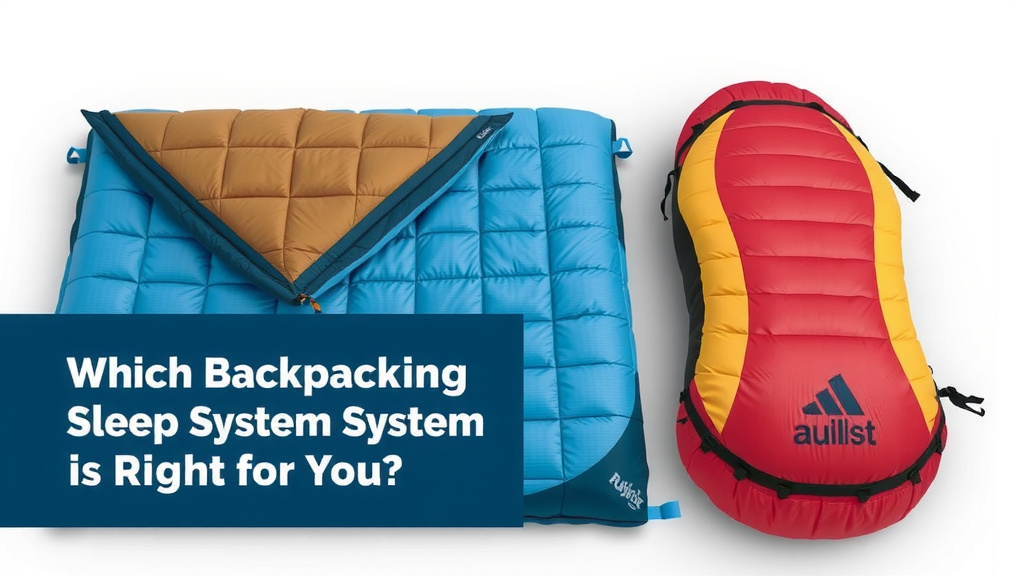
Quilt vs Bag: Which Backpacking Sleep System is Right for You
When deciding between a backpacking quilt and a sleeping bag, think about your priorities: weight, warmth, and freedom of movement. Quilts often offer a lighter weight and more flexibility, while bags typically provide better insulation for colder conditions. Your choice depends on your typical camping environment and personal comfort.
Many hikers find that a quilt can feel less restrictive, making it easier to move around inside on chilly nights. On the other hand, traditional sleeping bags are designed for maximum warmth by sealing out drafts. Research suggests that for many, the weight savings of a quilt can be a major advantage on long trips.
- Quilts are lighter and offer more freedom.
- Sleeping bags generally offer more warmth.
- Consider your typical camping weather.
- Personal comfort is key to your decision.
Let’s break down the key differences and help you figure out which option is the best fit for your next adventure.
Choosing Your Backpacking Sleep System: Quilt or Bag?
You’re heading out on an adventure, and you need to decide between a backpacking quilt and a sleeping bag. This is a big choice! Your sleep system impacts your comfort and how much weight you carry. We found that understanding the core differences can make this decision much easier.
How a Sleeping Bag Works
A sleeping bag is like a cozy tube designed to keep you warm. It has a full enclosure, including a hood. This design aims to trap your body heat effectively. We found that many bags use baffles to keep the insulation evenly distributed. This prevents cold spots from forming.
The Insulated Shell
Sleeping bags are typically constructed with an outer shell and an inner lining. The insulation, whether down or synthetic, sits between these layers. The goal is to create a sealed environment. This helps keep out drafts and maintain a consistent temperature. Many bags have a zipper that runs down the side. This allows for ventilation on warmer nights.
The Hood and Draft Collar
A key feature of many sleeping bags is the hood. It can be cinched around your face to reduce heat loss. A draft collar, a tube of insulation around the neck area, also helps seal in warmth. We found research indicating that these features are vital for performance in colder temperatures. They work together to prevent warm air from escaping.
How a Backpacking Quilt Works
A backpacking quilt is different. It’s essentially a blanket with some clever design features. It doesn’t have a full zipper or a hood like a traditional bag. Instead, it relies on you tucking the edges around you. We found that quilts are popular for their lighter weight.
Open Bottom Design
Most quilts have an open bottom. This means there’s no insulation underneath you. Why? Because when you lie on insulation, it gets compressed. Compressed insulation loses its ability to trap air and therefore, warmth. Experts suggest that your sleeping pad provides the necessary insulation from below (REI). Quilts often have snaps or clips along the sides. These help create a more enclosed space.
No Hood, Just Your Gear
Unlike sleeping bags, quilts typically lack a built-in hood. You’ll rely on a warm hat and maybe your stuff sack filled with clothes for head warmth. This design choice contributes to weight savings. We found that the lack of a zipper and hood simplifies the quilt’s construction. This also reduces potential failure points.
Comparing Weight and Warmth
When you’re out on the trail, every ounce can feel like a pound. Weight is a major consideration for backpackers. Warmth is, of course, non-negotiable. Let’s see how quilts and bags stack up.
Weight Advantages of Quilts
Quilts often come out lighter than sleeping bags of comparable temperature ratings. This is due to the simpler design. Less fabric and no zipper means less weight. We found that many ultralight backpackers choose quilts specifically for this reason. If shaving grams is your top priority, a quilt might be your best friend.
Warmth Considerations for Bags
Sleeping bags, especially those with hoods and draft collars, are generally designed for maximum warmth. They aim to seal you in and keep drafts out. This makes them a reliable choice for colder conditions. We found that the full enclosure can be more forgiving if you tend to move around a lot at night.
Quilt Warmth: It’s About Technique
A quilt can be just as warm as a sleeping bag, but it requires a bit more user technique. You need to effectively tuck the sides to create a seal. Your sleeping pad also plays a critical role. A good insulated pad is essential for quilt users. We found that experienced quilt users often praise their warmth when used correctly.
Freedom of Movement vs. Draft Protection
How much do you toss and turn at night? This is a big question. Your sleeping setup should accommodate your natural sleeping style.
The Freedom of a Quilt
Many users report feeling less restricted in a quilt. You can stretch your legs out more easily. Rolling over feels more natural. It’s almost like sleeping under a cozy blanket at home. We found that this freedom of movement can lead to better sleep for some people.
Sealing Out the Cold with a Bag
A sleeping bag, with its snug fit, is engineered to prevent drafts from sneaking in. If you sleep cold or camp in very windy or frigid environments, this can be a significant advantage. The draft collar and hood work together to create a warm cocoon. This keeps the cold air at bay.
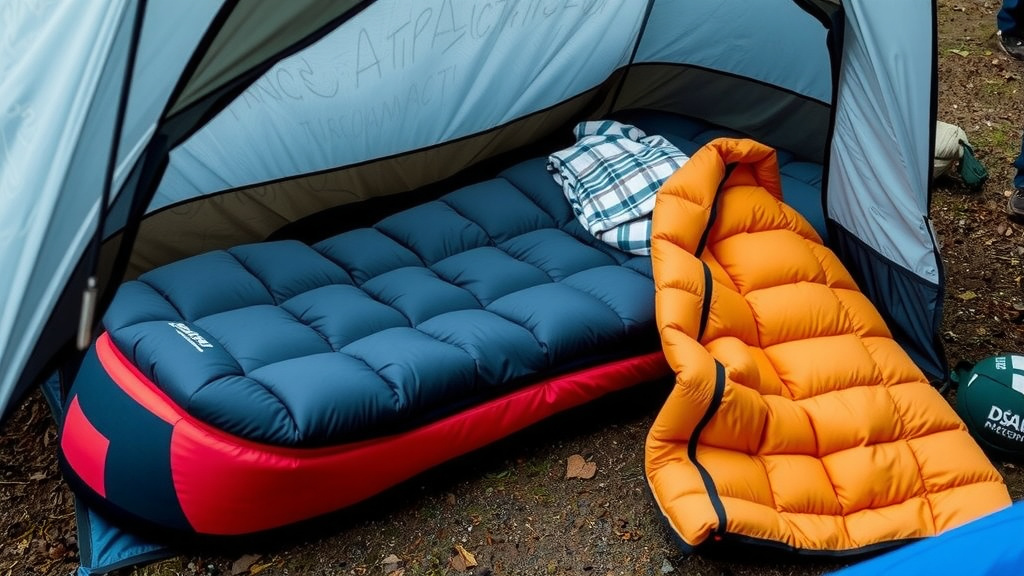
Other Factors to Consider
Beyond weight and warmth, a few other things might sway your decision.
Ease of Use and Versatility
Sleeping bags are often seen as more straightforward. Unzip, get in, zip up. Quilts require a bit more setup to achieve a good seal. However, quilts can often be used as a blanket on warmer evenings. This adds a layer of versatility.
Cost and Durability
Prices can vary wildly for both. High-quality down quilts can be expensive. Similarly, premium sleeping bags come with a hefty price tag. Durability is often comparable if you choose reputable brands and care for your gear properly. We found that materials like Pertex Quantum are used in both for excellent durability.
| Feature | Backpacking Quilt | Sleeping Bag |
|---|---|---|
| Weight | Generally Lighter | Generally Heavier |
| Warmth | Good, relies on technique & pad | Excellent, especially in cold |
| Freedom of Movement | High | Lower |
| Draft Protection | Requires good tucking | Excellent |
| Ease of Use | Slightly more technique | Very easy |
| Best For | Warmer weather, weight-conscious hikers | Colder weather, ease of use priority |
Consider this a quick reference. Your personal preferences will matter most. We found that many people try both before settling on a favorite.
Your Personal Checklist
To help you finalize your decision, ask yourself these questions:
- Do I often feel cold at night?
- How much weight am I willing to carry?
- Do I tend to move around a lot when I sleep?
- What are the typical temperatures of my camping trips?
- How important is ease of use versus flexibility?
- Am I willing to invest time in learning quilt-tucking techniques?
Conclusion
Deciding between a backpacking quilt and a sleeping bag boils down to your personal adventure style. If you prioritize shedding every possible ounce and enjoy greater freedom of movement, a quilt might be your perfect trail companion. Just remember that mastering your tucking technique and using a quality sleeping pad are key to staying warm. On the other hand, if you often camp in colder conditions or prefer the guaranteed draft protection of a familiar design, a sleeping bag remains a reliable choice. Consider your typical trip temperatures and how you sleep. Take this information, reflect on your priorities, and confidently choose the sleep system that will best support your next journey!
Frequently Asked Questions
Can a quilt really be as warm as a sleeping bag?
Yes, a quilt can be just as warm as a sleeping bag if used correctly. The key is to properly tuck the quilt around your body to create a seal. Your sleeping pad also plays a vital role by providing insulation from the ground, which a quilt intentionally doesn’t insulate from beneath.
What if I sleep very cold? Should I still consider a quilt?
If you consistently sleep cold, a traditional sleeping bag with its full enclosure, hood, and draft collar might offer more reliable warmth with less effort. While quilts can be warm, they require more attention to technique to prevent drafts, which might be challenging if you’re already prone to feeling chilly.
How do I keep my head warm with a quilt?
Since quilts typically don’t have hoods, you’ll need to rely on other methods for head warmth. Wearing a warm hat to bed is essential. Many people also use a stuff sack filled with their clothing as a makeshift pillow and to add extra warmth around their head.
Are quilts easier to get in and out of?
Many users find quilts offer more freedom and are easier to get in and out of, especially if you toss and turn. You can simply slide in and adjust the sides. This contrasts with zipping up a sleeping bag, which can sometimes feel more restrictive.
What temperature ratings should I look for in a quilt or bag?
Look for temperature ratings that are at least 10-15 degrees Fahrenheit lower than the coldest temperature you anticipate experiencing. This provides a comfort buffer. Remember that quilt ratings often assume optimal technique and a good sleeping pad, so factor that into your choice.