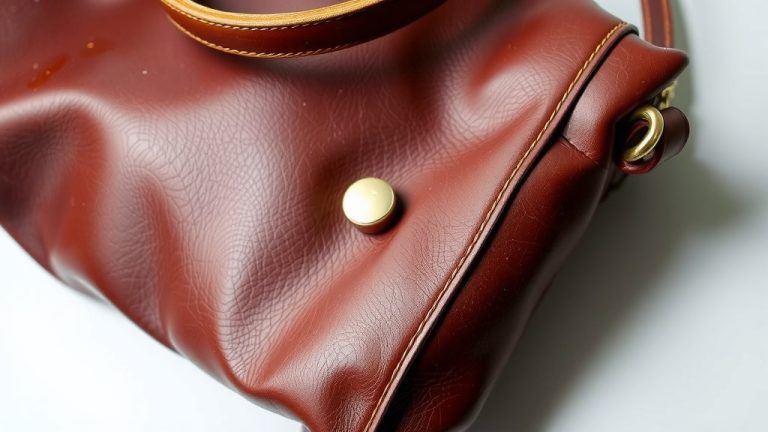
How to Remove Stains from Your Leather Bag
The easiest way to get a stain off your leather bag is to gently blot it with a damp cloth, followed by a mild soap solution if needed. For tougher stains, a specialized leather cleaner can work wonders. You’ll want to act fast to prevent the stain from setting into the Using the right leather care products is essential for maintaining your bag.beautiful leather. Remember, patience is key when dealing with leather.
Leather is a delicate material. Different types of stains, like ink or grease, might need slightly different approaches. We’ve found that testing any cleaning method in an inconspicuous spot first is always a smart move. This ensures you won’t accidentally damage your bag’s finish. Your favorite bag deserves the best care!
- Blot fresh stains immediately.
- Use a damp cloth first.
- Try mild soap or a leather cleaner for tougher spots.
- Always test in a hidden area.
- Condition your leather afterward.
Ready to restore your leather bag to its former glory? Let’s walk through the best methods step by step, so you can say goodbye to those unsightly marks.
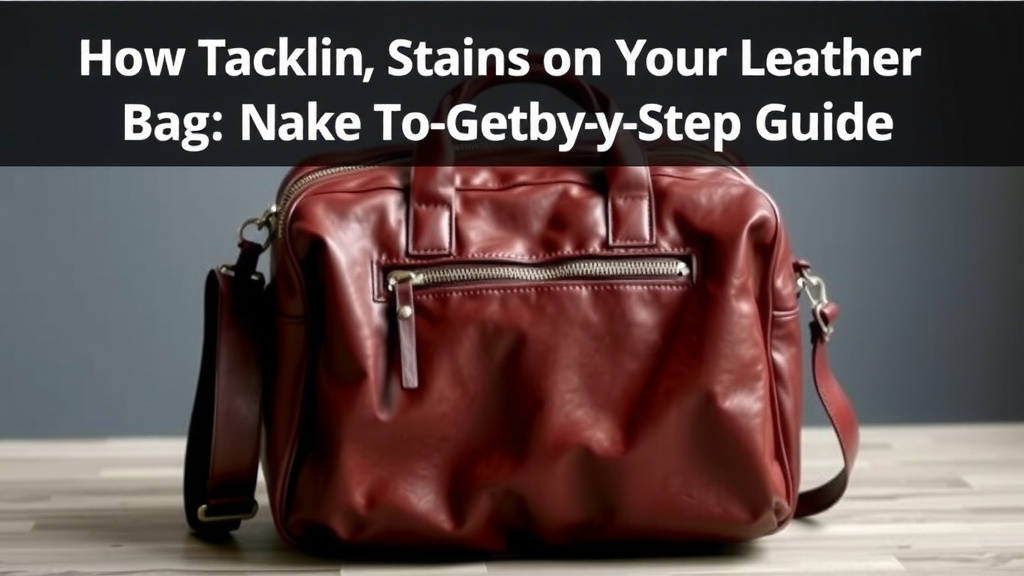
“`htmlTackling Stains on Your Leather Bag: A Step-by-Step Guide
We’ve all been there: a tiny mishap leads to a not-so-tiny stain on your favorite leather bag. It can feel like a disaster, but don’t panic! Most stains can be removed with a little care and the right approach. Your bag can look almost new again with some gentle attention. Let’s get started on bringing it back to its best.
Understanding Your Leather and the Stain
Before you grab the nearest cleaning product, take a moment. Different types of leather react differently to treatments. You also need to know what kind of stain you’re dealing with. This makes a big difference in how you should proceed. A grease stain needs a different touch than an ink mark.
Know Your Leather Type
Is your bag made of full-grain, top-grain, or corrected-grain leather? Or perhaps it’s suede or nubuck? These variations have different protective finishes and absorbency. Full-grain leather is the most durable and has a natural surface. Top-grain is also strong but has had the top layer slightly processed. Corrected-grain has the most surface imperfections removed. Suede and nubuck have a napped finish, making them more delicate.
Identify the Stain
The type of stain is your biggest clue. Is it:
- Grease or oil? These soak in quickly.
- Ink? This is one of the trickiest.
- Water? Can leave rings or dark spots.
- Food or drink? Common culprits like coffee or wine.
- Dirt or mud? Usually straightforward.
Knowing the culprit helps you choose the right weapon for the job. It’s like a detective solving a case!
Gentle First Steps for Fresh Stains
For any fresh stain, speed is your friend. The sooner you act, the less chance the stain has to bond with the leather. Think of it like catching a spill before it sets.
Blot, Don’t Rub!
This is the golden rule. Use a clean, dry, soft cloth. Gently blot the stain from the outside edges inward. This prevents spreading the mark. Rubbing can push the stain deeper into the leather’s pores. It can also damage the leather’s surface. So, resist the urge to scrub!
The Power of Water
For many non-greasy stains, a slightly damp cloth can work wonders. Use distilled water if possible. Dampen a clean, soft cloth – it should not be dripping wet. Gently blot the stained area. This can lift fresh spills like wine or coffee. Then, let the area air dry naturally. Avoid using heat, like a hairdryer, as this can crack the leather.
Dealing with Tougher Stains
When the initial blotting isn’t enough, it’s time for slightly more targeted methods. Always remember to test any cleaner in an inconspicuous spot first. Look at the bottom or inside flap.
Mild Soap Solution
A very mild soap, like a gentle baby soap or a specific leather soap, can be effective. Mix a tiny amount of soap with distilled water. You want suds, but not too many. Dampen a clean cloth with this solution. Gently wipe the stain. Again, blot more than you wipe. Follow up with a clean, damp cloth to remove soap residue. Let it air dry.
Many leather care experts recommend this gentle approach. It’s less likely to strip the leather’s natural oils. A common guideline suggests a dilution ratio of about 1 part soap to 20 parts water (Cleveland Clinic).
Specialized Leather Cleaners
For stubborn stains, a cleaner specifically made for leather is your best bet. These are formulated to be effective yet safe for leather finishes. Read the product instructions carefully. Apply a small amount to a clean cloth, not directly to the bag. Gently work on the stain. Different cleaners are designed for different types of leather, so choose wisely. For stubborn stains, a cleaner specifically made for leather is your best bet.
Specific Stain Treatments
Some stains need unique approaches. We found that certain methods are particularly effective for common tough stains:
Grease and Oil Stains
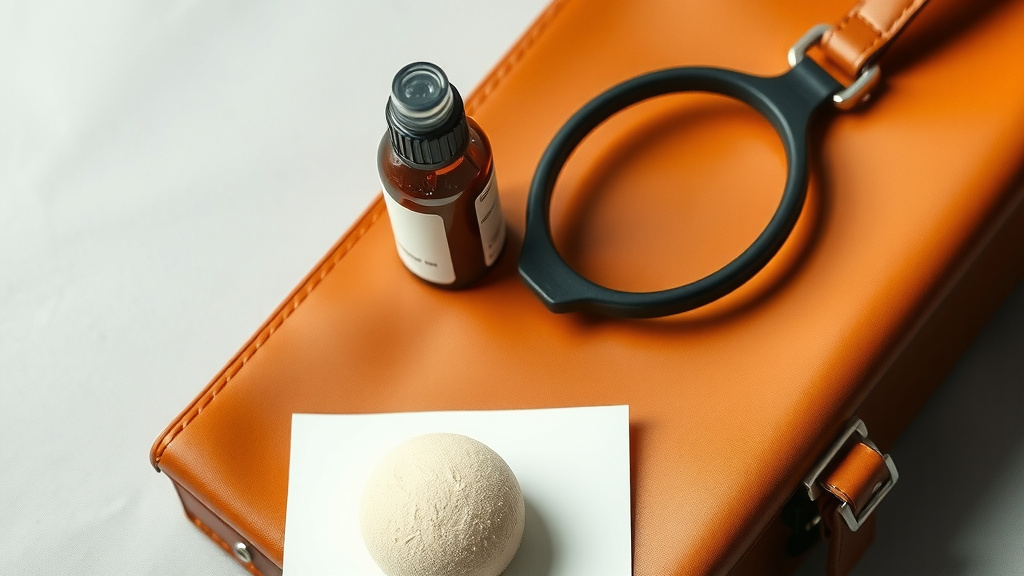
Cornstarch or talcum powder can be your secret weapon here. These powders absorb grease. Sprinkle a generous amount directly onto the stain. Let it sit for several hours, or even overnight. Then, gently brush off the powder. Repeat if necessary. This method is gentle and often very effective.
Ink Stains
Ink is notoriously difficult. For light marks on finished leather, a cotton swab dipped in rubbing alcohol might work. Dab very gently on the ink spot. Work quickly and blot immediately with a clean cloth. Be aware that alcohol can dry out leather, so follow up with a conditioner. For very stubborn ink, you may need a professional cleaner. Many sources advise extreme caution with alcohol on leather (University of Washington Environmental Health & Safety).
Water Stains
If your bag got wet and left water spots, try dampening the entire panel lightly with a clean, damp cloth. This helps blend the water spots. Allow the bag to air dry evenly. Sometimes, a light conditioning afterward can restore the finish.
The Importance of Conditioning
After any cleaning, especially if you used soap or a specialized cleaner, your leather needs some TLC. Cleaning can strip away natural oils that keep the leather supple and prevent cracking. Applying a good quality leather conditioner is essential.
How to Condition Your Bag
Apply a small amount of conditioner to a clean, soft cloth. Gently rub it into the leather in a circular motion. Let it absorb for a few minutes. Then, buff off any excess with another clean cloth. This replenishes moisture and protects your bag. We found that conditioning every 6-12 months helps maintain its look and feel.
When to Seek Professional Help
If you’ve tried these methods and the stain is still there, or if you’re dealing with a very delicate or expensive bag, it might be time to call in the pros. Professional leather cleaners have specialized tools and solutions. They can often handle stains that are beyond home remedies. It’s better to spend a bit more than to risk damaging your beloved bag.
Quick Stain Removal Checklist
Keep this handy for those “oops” moments:
- Act Fast: Blot fresh spills immediately.
- Blot, Never Rub: Protect the leather surface.
- Use Gentle Methods First: Damp cloth or mild soap.
- Test in an Unseen Area: Always check products first.
- Condition After Cleaning: Restore moisture and protect.
- Know When to Get Help: For tough stains, professionals are key.
Conclusion
You’ve learned how to tackle those common stains on your leather bag, from fresh spills to tricky ink marks. Remember, gentle blotting is your first line of defense. For tougher jobs, mild soap or specialized cleaners can work wonders, but always test in an inconspicuous area first. Giving your bag a good conditioning after cleaning is key to keeping it supple and protected. Don’t be afraid to reach out to a professional if a stain seems too daunting.
Now that you’re equipped with this knowledge, go forth and restore your leather bag’s beauty! Your next step is to identify the stain on your bag and carefully apply the appropriate method we’ve discussed.
Frequently Asked Questions
Can I use baby wipes to clean my leather bag?
Baby wipes are generally not recommended for cleaning leather bags. They can contain chemicals and alcohol that might dry out or damage the leather’s finish over time. It’s safer to use a damp cloth with distilled water or a dedicated leather cleaner.
How often should I condition my leather bag?
You should aim to condition your leather bag every 6 to 12 months, depending on its use and climate. More frequent conditioning might be needed for bags used daily or exposed to harsh conditions to keep the leather supple.
What is the best way to remove a water stain from leather?
For water stains, try dampening the entire panel of the bag lightly with a clean, damp cloth. This helps blend the edges of the water spot. Allow the bag to air dry naturally away from direct heat. A light conditioning afterward can help restore the finish.
Is it safe to use rubbing alcohol on ink stains?
Rubbing alcohol can be used cautiously on ink stains on finished leather. Dab a cotton swab very lightly onto the ink and blot immediately with a clean cloth. Be aware that alcohol can dry out the leather, so conditioning the area afterward is essential. For very stubborn ink, professional cleaning is often best.
My leather bag has a strong smell after cleaning. What should I do?
A mild scent after cleaning is normal, especially if you used soap or conditioner. Ensure the bag has aired out completely in a well-ventilated area. If the smell persists and is unpleasant, you can try placing a sachet of baking soda or activated charcoal inside the bag for a few days to absorb odors.
![10 Best Leather Golf Cart Bags [2026]](https://mybestreviewss.com/wp-content/uploads/2026/09/10-best-leather-golf-cart-bags-2026-featured-768x432.jpg)
![10 Best Leather Mens Bags [2026]](https://mybestreviewss.com/wp-content/uploads/2026/08/10-best-leather-mens-bags-2026-featured-768x432.jpg)