
How to Clean a Leather Bag With Vinegar
Yes, you can absolutely use a vinegar and water solution to clean your leather bag! It’s a surprisingly effective way to tackle mild stains and refresh its appearance without harsh chemicals. Just be sure to use it sparingly and dilute it properly.
Many people worry about damaging their beloved leather goods. We found that a careful application of diluted vinegar can work wonders on everything from everyday spills to general dinginess. It’s a common household item that can save your favorite bag from looking worse for wear, especially when you need a quick, budget-friendly fix.
- Dilute white vinegar with an equal amount of water.
- Always test on an inconspicuous spot first.
- Gently wipe the affected area; don’t soak the leather.
- Allow the bag to air dry completely.
Ready to give your leather bag a little TLC? Let’s walk through exactly how to use vinegar for cleaning, step by step.
Your Guide to Cleaning Leather Bags With Vinegar
Yes, you can use vinegar to clean your leather bag! We found that a carefully diluted vinegar solution is a fantastic way to tackle light stains and refresh your bag. It’s a simple, affordable method using a common household item. Keep reading, and we’ll show you exactly how to do it safely.
Why Vinegar for Leather? The Science Behind It
Vinegar, particularly white vinegar, is acidic. This acidity helps to break down grease and grime. When diluted properly with water, it becomes a mild cleaning agent that can lift dirt without being too harsh. Many cleaning guides suggest diluted acids for certain materials because they can dissolve certain types of stains and residues. Think of it like a gentle degreaser.
The key is dilution. Undiluted vinegar can dry out leather, making it brittle and prone to cracking. We found that a 1:1 ratio of white vinegar and distilled water is the sweet spot. Distilled water is preferred because it doesn’t contain minerals that could leave spots on your leather. This mixture acts as a mild disinfectant, too, which is a nice bonus.
Understanding Leather Types and Vinegar
Not all leather is created equal, and this method is best for certain types. It’s generally safe for finished leather, which has a protective coating. This is the most common type of leather used for handbags and accessories. You can usually identify finished leather by its smooth, slightly shiny surface.
However, we recommend avoiding this method on unfinished leather, such as suede, nubuck, or aniline leather. These types are more porous and absorbent. They lack the protective coating, meaning the vinegar solution could penetrate too deeply, causing discoloration or permanent damage. Always check your bag’s care tag if you’re unsure of the leather type. When in doubt, err on the side of caution.
Preparing Your Leather Bag for Cleaning
Before you even think about reaching for the vinegar, there are a few preparatory steps you should take. These are vital for ensuring the best results and protecting your bag.
Step 1: Empty Your Bag Completely
This might seem obvious, but it’s a step that’s easy to rush. Take everything out of your bag. Yes, everything. Check all the pockets, even the tiny ones you forget exist. You don’t want any stray pens or coins getting in the way, or worse, getting damaged by the cleaning solution. A clean slate is essential.
Step 2: Dust and Wipe Down
Use a soft, dry cloth or a soft brush to gently remove any surface dust or debris. Pay attention to seams and corners where dust tends to accumulate. This initial dusting prevents you from just pushing dirt around when you start the wet cleaning process. We found a microfiber cloth works wonders here.
Step 3: The All-Important Spot Test
This is arguably the most critical step. Before you apply the vinegar solution to any visible part of your bag, test it on a hidden area. The inside hem, the bottom of a flap, or an area that’s usually tucked away is perfect. Apply a small amount of the diluted solution with a cotton swab. Let it sit for a few minutes, then wipe it dry with a clean cloth. Wait for the area to air dry completely. Examine it closely for any signs of discoloration, darkening, or damage. If everything looks good, you can proceed.
The Vinegar Cleaning Process: Step-by-Step
Now that your bag is prepped and you’ve passed the spot test, it’s time to clean. Remember, gentleness is key here.
Step 1: Mix Your Cleaning Solution
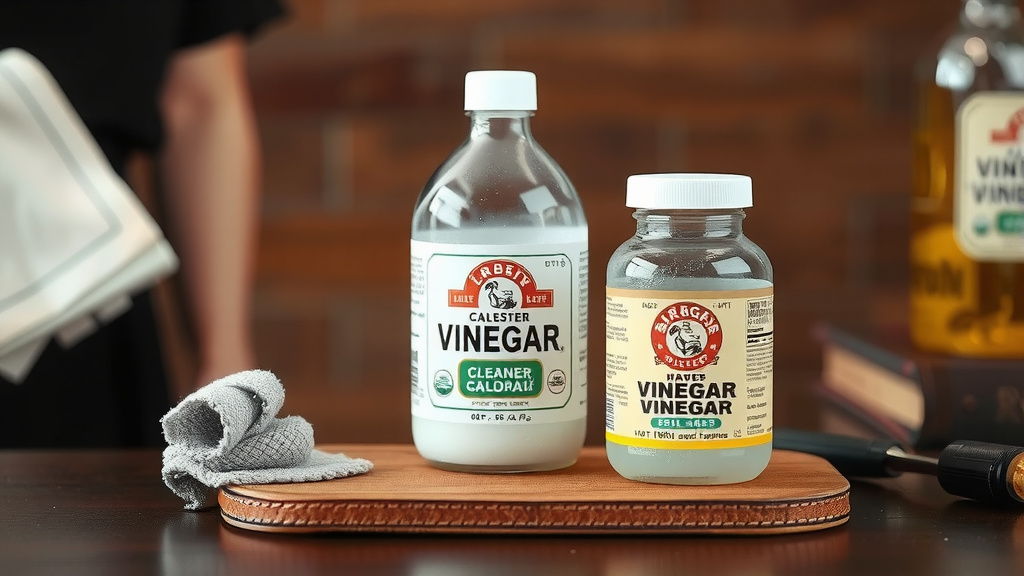
In a small bowl, mix equal parts white vinegar and distilled water. So, if you use half a cup of vinegar, add half a cup of distilled water. Stir gently. You want a uniform mixture. This ratio is mild enough for most finished leather but effective enough to lift light stains.
Step 2: Apply the Solution Sparingly
Dampen a clean, soft cloth (a microfiber cloth is ideal) with the vinegar-water solution. Wring it out thoroughly. You want the cloth to be damp, not wet. Excess moisture is the enemy of leather. Gently wipe the stained or dirty area of your bag. Work in small sections. Don’t scrub vigorously; use light, circular motions. If you’re cleaning a larger area, wipe down the entire panel to avoid creating water spots or uneven color.
Step 3: Wipe Away Residue
After cleaning a section, immediately take another clean, soft cloth dampened only with distilled water. Wipe the area to remove any lingering vinegar solution. This helps neutralize the acidity and prevents any residue from being left behind. Again, wring this cloth out well. You’re just rinsing lightly.
Step 4: Air Dry Completely
This is another patient step. Never use heat to dry your leather bag. No hairdryers, no radiators. Heat can cause the leather to shrink, crack, and warp. Instead, let your bag air dry naturally. Stuff it with plain white paper towels or a clean towel to help it keep its shape while drying. Place it in a well-ventilated area away from direct sunlight and heat sources. This might take several hours or even overnight, depending on humidity and how damp the leather got.
Step 5: Condition Your Leather (Optional but Recommended)
Once your bag is completely dry, the leather might feel a little stiff. We found that applying a good quality leather conditioner can help restore its suppleness and protect it. Use a clean cloth to apply a small amount of conditioner, following the product’s instructions. This step is like giving your bag a nice spa treatment after its cleaning. It replenishes the natural oils in the leather.
Quick Checklist for Vinegar Bag Cleaning
Here’s a handy checklist to guide you:
- Empty your bag entirely.
- Dust off loose dirt with a dry cloth.
- Mix equal parts white vinegar and distilled water.
- Spot test on an inconspicuous area first.
- Wipe gently with a damp (not wet) cloth.
- Air dry completely away from heat and sun.
Conclusion
You’ve learned that cleaning your leather bag with a diluted vinegar solution is a practical and cost-effective method. It’s great for tackling everyday grime and minor stains on finished leather. Remember that preparation, like emptying your bag and conducting a spot test, is key to avoiding damage. Always work gently and allow your bag to air dry completely to maintain its quality.
Give your favorite leather accessory the TLC it deserves. Try this simple vinegar cleaning method for a refreshed look, and enjoy your revitalized bag!
Frequently Asked Questions
Can I use apple cider vinegar instead of white vinegar?
It’s best to stick with plain white vinegar. Apple cider vinegar often has added sugars or colorings that could potentially stain or damage your leather. White vinegar is the cleanest and most predictable option for this cleaning method.
How often can I clean my leather bag with vinegar?
Vinegar cleaning should be reserved for when you notice specific stains or general dinginess. We recommend cleaning your bag with this method sparingly, perhaps only a few times a year, to avoid over-drying the leather.
What should I do if my spot test shows discoloration?
If your spot test results in any discoloration or negative change to the leather, stop immediately. Do not proceed with cleaning your bag using the vinegar solution. You’ll need to find an alternative cleaning method or consult a professional leather care specialist.
Will this method remove deep or old stains?
This diluted vinegar method is most effective for mild, fresh stains and general surface dirt. For older, set-in, or tough stains, you might need a specialized leather cleaner or professional cleaning services.
My bag feels a little stiff after drying. What now?
That’s perfectly normal! Leather can sometimes feel a bit stiff after cleaning. This is where conditioning comes in. Apply a good quality leather conditioner with a clean cloth to restore moisture and suppleness. This step is highly recommended after any type of cleaning.
![10 Best Leather Weekender Bag Mens [2026]](https://mybestreviewss.com/wp-content/uploads/2026/08/10-best-leather-weekender-bag-mens-2026-featured-768x432.jpg)