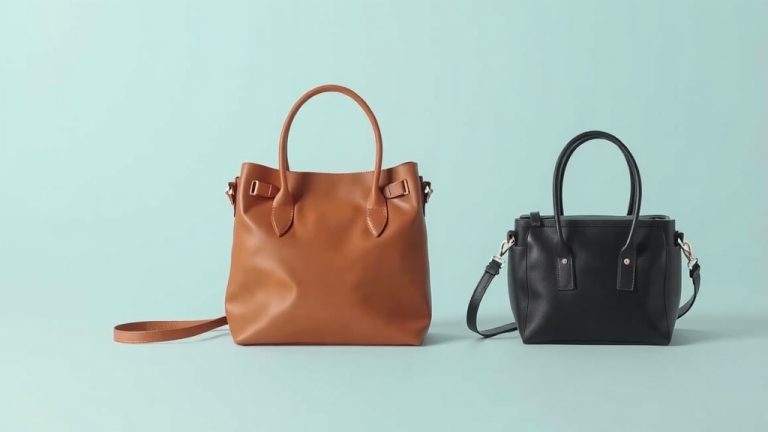
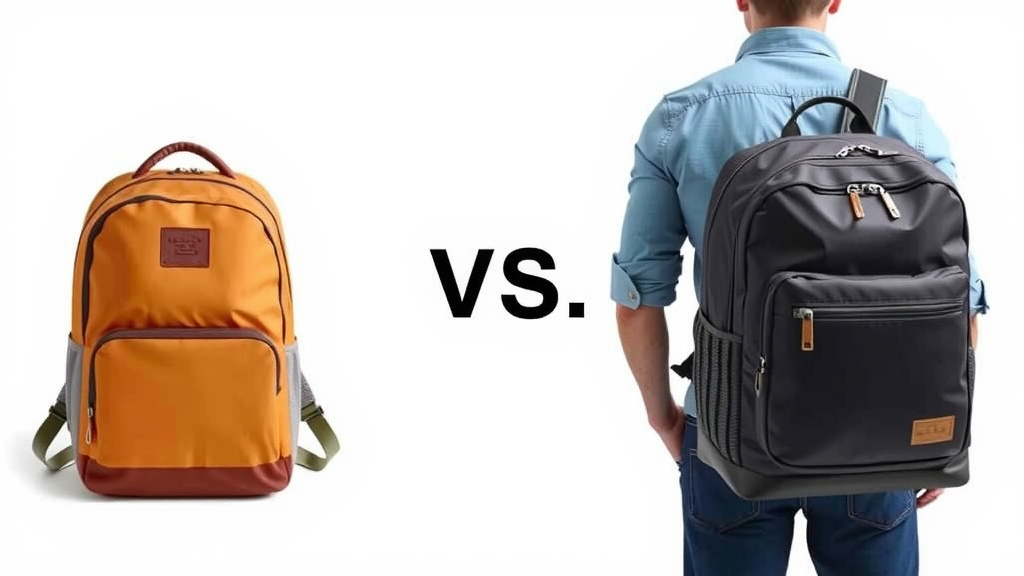
Backpack vs Shoulder Bag for Travel: Which Is Best
For most travelers, a backpack is the better choice over a shoulder bag. Backpacks distribute weight more evenly across your back and shoulders, making them much more comfortable for carrying essentials over longer distances or when navigating busy airports and cities. This superior comfort and weight distribution is key for a more enjoyable travel experience.
While shoulder bags might seem convenient for quick trips, they can quickly become a pain in the neck—literally. Research shows that carrying heavy loads in a single shoulder strap can lead to imbalances and discomfort. A well-chosen backpack, however, can make all the difference in how you feel at the end of a long travel day.
- Backpacks are generally more comfortable for travel.
- They distribute weight evenly for better balance.
- Shoulder bags can cause strain on one side.
- Backpacks are better for carrying items longer distances.
- Consider your travel style when choosing.
Let’s break down the pros and cons of each to help you decide which travel companion is right for your next adventure.
Choosing Your Travel Carry: Backpack or Shoulder Bag?
The age-old question for travelers: should you sling it over your shoulder or strap it to your back? It might seem like a small decision, but it can truly impact your journey. Let’s dive into what makes each a good fit, or not, for your adventures.
The Case for the Backpack: Comfort and Balance on the Go
Research consistently shows that backpacks are the preferred choice for most travelers when it comes to comfort and practicality. Why? It all comes down to how your body handles weight.
Weight Distribution: The Secret Sauce
A backpack, by its very design, distributes weight across both your shoulders and your back. Think of it like having two strong support beams instead of just one. This even distribution prevents one side of your body from bearing the brunt of the load. Many studies highlight how this can reduce strain and prevent common aches and pains associated with carrying bags.
When you spread the weight out, your body feels more balanced. This is especially important when you’re navigating crowded airports, walking long distances between attractions, or trying to get on and off public transport. Your spine thanks you for this!
Ergonomics and Your Body
Experts in ergonomics often point to backpacks as being more body-friendly. When you use a shoulder bag, the weight pulls down on one side. This can lead to your posture changing to compensate. Over time, this can cause imbalances.
The Cleveland Clinic notes that carrying heavy loads on one shoulder can lead to neck and shoulder pain. A backpack helps avoid this by engaging more muscle groups in a balanced way. It’s a more natural way for your body to carry things.
Capacity and Accessibility
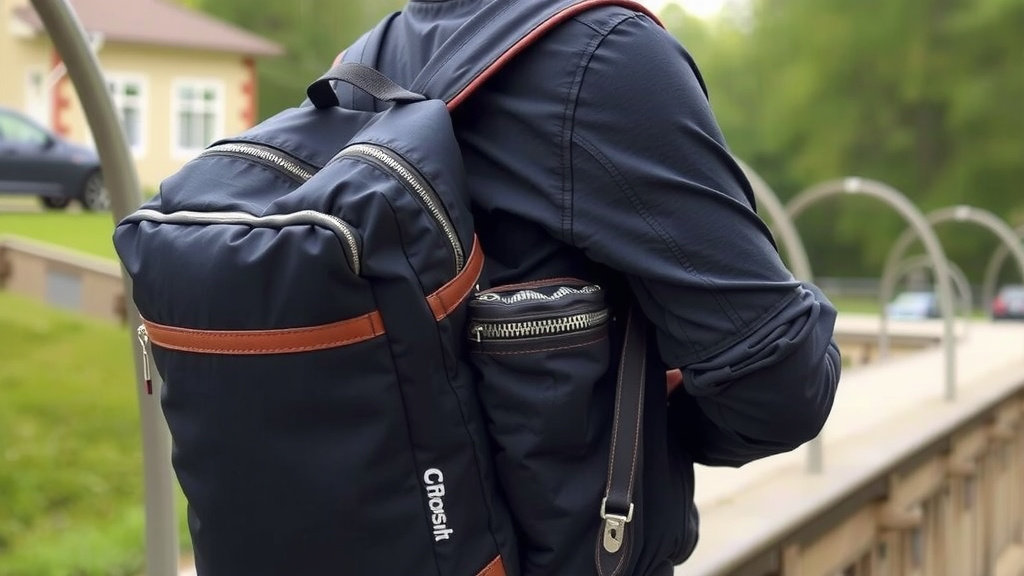
Backpacks often come with ample storage space and various compartments. This makes organizing your items easier. You can separate your laptop, snacks, water bottle, and travel documents. Many backpacks have external pockets for quick access to essentials like your phone or boarding pass.
Some backpacks are designed specifically for travel, featuring clamshell openings that let you pack like a suitcase. This is a huge win for efficiency when you’re trying to find something specific without emptying the entire bag.
The Shoulder Bag: Convenience with Caveats
Shoulder bags, or messenger bags, definitely have their place in the travel world. They offer a certain ease for quick outings, but there are things to consider.
When a Shoulder Bag Shines
For a short day trip or when you only need to carry a few light items, a shoulder bag can be perfectly adequate. Think of a quick trip to a local market or a short walk around town. They allow for easy access to your belongings without needing to take the bag off.
If you’re someone who likes to have your wallet, phone, and a small guidebook always within arm’s reach, a well-designed messenger bag can provide that. The strap can sometimes be worn across your body for added security, which is a nice touch.
The Downside: Weight and Strain
The main drawback of a shoulder bag is its tendency to put all the weight on one side. If you pack it heavily, or if you’re carrying it for an extended period, this can become quite uncomfortable. You might find yourself constantly shifting the bag from one shoulder to the other.
Research published in the Journal of Applied Biomechanics has explored how asymmetrical loading can affect gait and posture. While a light load for a short time is fine, consistent heavy carrying can lead to strain. Many travelers report shoulder pain or backaches after a day of sightseeing with a heavy shoulder bag.
Security Concerns
Shoulder bags, especially those worn on one side, can sometimes be easier targets for pickpockets in crowded tourist areas. While any bag can be vulnerable, a bag hanging loosely at your side or in front might be more accessible than a backpack worn securely on your back.
This isn’t to say all shoulder bags are insecure. Many have secure zippers and anti-theft features. However, it’s a point to consider based on the destinations you plan to visit.
Making Your Choice: What’s Your Travel Style?
The best bag for you depends entirely on your travel habits and preferences. Here’s a breakdown to help you decide.
Backpack is Best If:
- You’ll be walking or standing for long periods.
- You’re carrying heavier items like a laptop or camera gear.
- You’re moving between different modes of transport frequently.
- You want to evenly distribute weight for maximum comfort.
- You’re traveling for longer durations.
Shoulder Bag Might Work If:
- You’re only carrying a few light essentials.
- Your trips are very short, mostly just a few hours.
- You prioritize quick access to items over long-term comfort.
- You’re not carrying much weight at all.
A Quick Comparison Table
Here’s a simple look at how they stack up:
| Feature | Backpack | Shoulder Bag |
|---|---|---|
| Weight Distribution | Excellent (even across back & shoulders) | Poor (concentrated on one shoulder) |
| Comfort for Long Periods | High | Low |
| Carrying Capacity | Generally High | Generally Low to Moderate |
| Accessibility to Items | Moderate (requires taking off to access some parts) | High (easy to swing around) |
| Posture & Strain | Low risk of strain | Higher risk of strain with heavy loads |
Your Travel Bag Checklist
Before you make your final decision, consider these points:
- Trip Duration: How long will you be carrying your bag each day?
- Load Weight: What will you realistically be packing inside?
- Activity Level: Will you be hiking, exploring cities, or mostly relaxing?
- Personal Comfort: How does your body feel with different types of weight?
- Destination Type: Are you in crowded urban areas or open spaces?
- Storage Needs: Do you need many compartments or just one main space?
Conclusion
When it comes to travel comfort and practicality, a backpack is generally your best bet. Research consistently shows that backpacks offer superior weight distribution, reducing strain on your body during long travel days. They help you maintain better posture and can carry more without feeling as heavy. While a shoulder bag has its place for very short trips with minimal items, it often leads to discomfort and imbalances over time.
Your choice hinges on your travel style. For most adventures, prioritizing a well-fitting backpack means a more enjoyable journey. Consider your packing needs and how long you’ll be on the move. Make sure to choose a backpack that fits you well to maximize its benefits.
Frequently Asked Questions
Is a backpack truly better than a shoulder bag for long-haul flights?
Yes, for long flights, a backpack is generally much better. It distributes weight evenly across your back, preventing one-sided strain that a shoulder bag would cause. You can keep it under the seat or in the overhead bin comfortably, and it won’t weigh down one shoulder as you move through the airport.
Can a shoulder bag be comfortable if I don’t carry much in it?
If you’re only carrying a few very light items, like your phone, wallet, and a small snack, a shoulder bag can be perfectly comfortable for short periods. The key is the weight. As soon as the load gets heavier or you carry it for an extended time, it starts to put undue stress on one side of your body.
Are backpacks safer from pickpockets than shoulder bags?
Generally, yes. A backpack worn on your back is harder for pickpockets to access in crowded areas compared to a shoulder bag that might hang loosely at your side or front. Some backpacks also feature anti-theft designs with hidden zippers and slash-proof materials for added security.
How do I know if a backpack will fit me properly?
Look for adjustable straps, a padded back panel, and a hip belt if it’s a larger pack. When you try it on, adjust the straps so the weight rests comfortably on your hips rather than just your shoulders. The pack should sit snugly against your back without being restrictive.
What kind of travel is a shoulder bag still good for?
A shoulder bag is best suited for very short excursions where you only need immediate access to a few essentials. Think of a quick trip to a local cafe, a brief walk around a market, or when you’re already at your destination and just need to carry your phone and keys for a few hours.
![10 Best Genuine Leather Bag For Man [2026]](https://mybestreviewss.com/wp-content/uploads/2026/09/10-best-genuine-leather-bag-for-man-2026-featured-768x432.jpg)