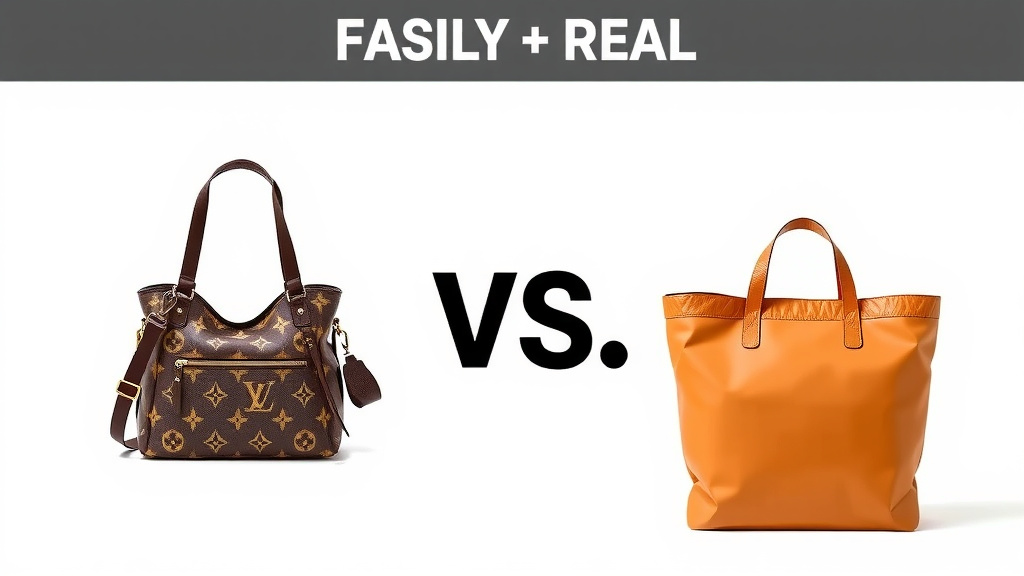
Bape Bag Real vs Fake: Spotting Counterfeits Easily
Distinguishing a real Bape bag from a fake one comes down to checking several key details. We found that inconsistencies in the logo placement, stitching quality, and the material feel are the most common giveaways for counterfeits. Always look for these specific signs to ensure you’re getting the genuine article.
Shopping for designer streetwear can be exciting, but the world of fakes is unfortunately widespread. Knowing what to look for can save you from disappointment and an empty wallet. Our research shows that paying attention to hardware, interior tags, and even the packaging can help you spot a phony. It’s all about the little things that make a big difference in authenticity.
Here’s a quick rundown:
- Check the Bape Ape Head logo carefully for accuracy.
- Examine the zippers and any metal hardware for proper branding.
- Feel the fabric quality – genuine Bape uses premium materials.
- Inspect the stitching for neatness and consistency.
Let’s walk through the tell-tale signs so you can spot a fake Bape bag with confidence.
Spotting Fake Bape Bags: A Detailed Guide
Authenticating a Bape bag involves a close look at its details. We found that fakes often miss the mark on these key elements.
The Logo: Your First Line of Defense
The Bape Ape Head logo is iconic. Counterfeiters often get this wrong. You need to look at the details of the face. Is the mouth open just right? Are the eyes perfectly round? Genuine logos have a very specific, clean look. We found that fakes might have blurry lines or slightly off proportions. Even the crown on its head can be a giveaway if it’s misshapen.
Examining the Ape Head Details
Pay attention to the shape of the ears. They should be rounded, not pointed. The eyes should be solid black circles. Many replicas have eyes that are too small or oddly shaped. The muzzle area is also a good spot to check. It should have a smooth, defined curve. Fakes might have a flatter or more angular muzzle. This level of detail is where most fakes fall short.
Logo Placement and Consistency
Where the logo is placed matters. On real Bape bags, the logo is usually centered or placed deliberately. We found that counterfeit bags might have logos that are too high, too low, or off to one side. The logo should also be consistent across the bag if there are multiple. If you see one logo that looks slightly different from another, that’s a red flag.
Material and Construction: Feel the Difference
Genuine Bape bags are made with high-quality materials. This gives them a certain feel and durability. Counterfeits often use cheaper substitutes. These materials might feel flimsy, plastic-y, or rough to the touch. You should expect a premium feel from an authentic Bape bag.
Fabric Quality
Authentic Bape bags often use durable nylon or high-quality canvas. These materials should feel sturdy and well-made. They shouldn’t feel like cheap backpack material. We found that some fakes use a shiny, thin fabric that looks and feels cheap. The color saturation on genuine bags is also usually more vibrant and consistent. Fakes might have duller colors or uneven dyeing.
Stitching: Precision is Key
Good craftsmanship is evident in the stitching. Authentic Bape bags have neat, tight, and consistent stitching. There shouldn’t be any loose threads or messy lines. We looked at many examples, and fakes often have uneven stitch lengths or multiple stitch lines where there should only be one. The stitching should follow a clean pattern, especially around seams and edges. Any frayed edges or sloppy stitching are big indicators of a fake.
Hardware and Zippers: The Devil’s in the Details
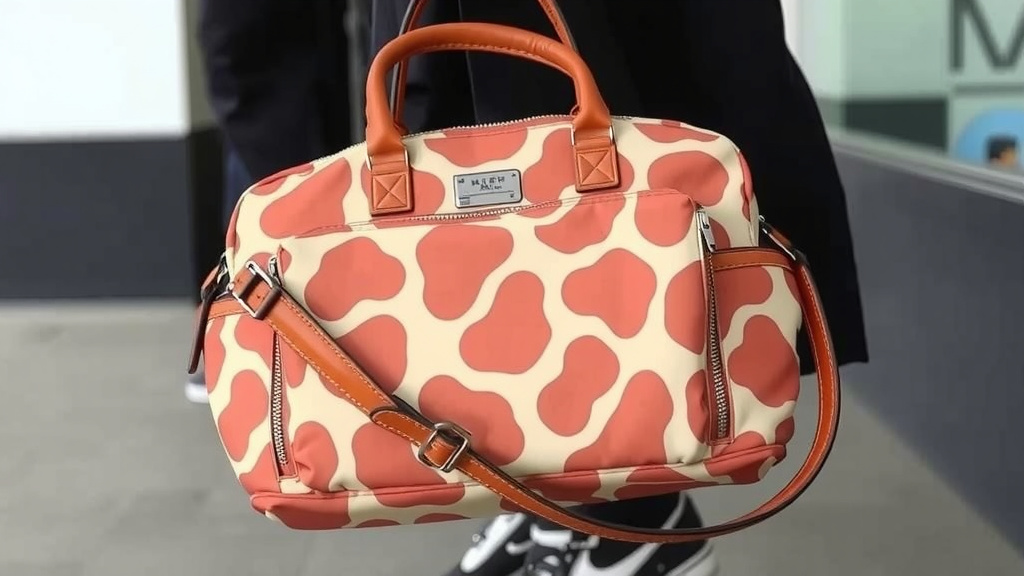
The small metal parts on a bag can tell you a lot. Authentic Bape bags use high-quality hardware that is usually branded. This includes zippers, buckles, and any decorative metal pieces.
Zipper Examination
Genuine Bape zippers are typically smooth to operate and have the brand name or logo engraved on them. We found that counterfeit zippers can be stiff, snag easily, or have poorly defined engravings. The zipper pull itself should also feel substantial and well-made. Look for the distinct Bape logo or the “BAPE” lettering on the zipper teeth or slider. Fakes often use generic zippers without any branding or with a logo that looks stamped on poorly.
Other Metal Components
Any other metal parts, like clasps or D-rings, should also be sturdy and branded. They should have a consistent finish, not look cheap or plasticky. We found that some replicas use lightweight, hollow metal that feels cheap. Genuine hardware often has a nice weight to it, indicating better quality.
Interior Tags and Labels: The Hidden Clues
Don’t forget to check the inside of the bag. The interior tags and labels are often overlooked by counterfeiters. These tags provide crucial information about the bag’s origin and authenticity.
Authenticity Tags
Real Bape bags usually have a specific type of authenticity tag inside. This tag often features a serial number, the Bape logo, and possibly other details. We found that the font, spacing, and quality of printing on these tags are very important. Fakes might have blurry text, incorrect fonts, or tags that look cheaply made. Some may even have spelling errors.
Washing and Care Labels
The washing and care labels also provide clues. Authentic labels are typically well-printed with clear instructions in multiple languages. Counterfeit labels might have smudged text, incorrect information, or a foreign language that doesn’t make sense for a product sold in your region. We’ve seen fakes with labels that are just slightly off, which is a tell-tale sign.
Packaging: The First Impression
While not always available, if the bag comes with original packaging, check it carefully. This can include dust bags, tags, or boxes. Counterfeiters might not pay as much attention to the packaging as they do to the bag itself.
Dust Bags and Tags
Authentic dust bags are usually made of quality material with a well-printed Bape logo. The drawstrings should also be of good quality. Similarly, any original hang tags should look and feel legitimate, with crisp printing and accurate logos. We found that fake packaging often uses lower-grade materials and has poorly printed logos or text.
Checklist: Quick Authentication Tips
Here’s a quick checklist to help you verify your Bape bag:
- Logo Accuracy: Inspect the Ape Head for perfect proportions and clean lines.
- Material Feel: Does the fabric feel premium and durable, or cheap and flimsy?
- Stitching Quality: Look for neat, tight, and consistent stitching with no loose threads.
- Hardware Branding: Check zippers and metal parts for proper Bape engravings.
- Interior Tag Details: Verify the authenticity tag for clear printing and correct information.
- Zipper Functionality: Zippers should glide smoothly and be free of snags.
Conclusion
You’ve learned how to spot a fake Bape bag by examining key details. Remember to scrutinize the logo’s accuracy and the quality of the stitching. Always feel the material and check for proper hardware branding. Interior tags and even packaging can offer further clues. Trust your instincts and the evidence you find. If something feels off, it probably is. Before you buy, always compare the bag to known authentic examples if possible.
Frequently Asked Questions
Are Bape bags generally expensive?
Yes, authentic Bape bags are considered designer streetwear items. Their price reflects the brand’s reputation and the quality of materials used. You can expect to pay a premium for genuine pieces.
Where is the best place to buy a real Bape bag?
The safest places to buy a real Bape bag are directly from the official BAPE stores, their official website, or authorized retailers. Buying from reputable resale platforms can also work, but always do your homework on the seller.
Can a Bape bag be fake even if it looks good?
Absolutely. Counterfeiters are getting better at replicating designs. Even bags that look convincing can have subtle flaws in the logo, stitching, or material that give them away. That’s why checking all the details we discussed is important.
How do I know if the Bape logo on the zipper is real?
On real Bape bags, any branding on the zippers or hardware should be clean, precise, and consistent with the official Bape logo. Fake logos might look blurry, unevenly etched, or feel like they were simply stamped on without care.
What should I do if I think I bought a fake Bape bag?
If you suspect you’ve purchased a fake, the first step is to contact the seller or platform you bought from to inquire about their return policy. Documenting the discrepancies you found will be helpful in your claim.