
How to Clean a Sticky Leather Bag
The easiest way to clean a sticky leather bag is to use a gentle, DIY solution of mild soap and water. You’ll want to act quickly to avoid permanent damage. This method helps lift sticky residue without harming your bag’s natural finish. We found this to be the most effective approach for most common sticky situations.
Sticky spots can happen from all sorts of things. Maybe some spilled soda or a rogue candy bar met your favorite purse. Don’t panic! Cleaning sticky leather requires a careful touch. We’ve researched various methods and found that a simple cleaning approach usually works best. It’s important to use the right products and techniques to protect your leather.
- Use a mild soap and water mixture first.
- Test any cleaner on an inconspicuous spot.
- Wipe gently with a soft cloth.
- Condition the leather after cleaning.
- Avoid harsh chemicals or excessive moisture.
Let’s walk through exactly how to tackle that sticky situation step by step.
Tackling Sticky Spots on Your Leather Bag
Sticky residue on your beloved leather bag can feel like a minor disaster. Whether it’s from a spilled drink, some leftover lip balm, or even a stray piece of candy, that gummy mess needs gentle attention. We’ve researched the best ways to tackle these common handbag mishaps. The good news is, you can often restore your bag without any harsh chemicals. Let’s get that sticky situation sorted!
Why Leather Gets Sticky
Leather is a natural material. Over time, it can react to its environment and the products it comes into contact with. Sometimes, a bag’s natural oils can start to break down, especially if exposed to heat or certain chemicals. This can lead to a tacky or sticky surface. Other times, it’s external factors like food spills or cosmetic leaks. Understanding why it happened can help prevent future issues.
Common Causes of Stickiness
- Product Spills: Soda, juice, or even oily lotions can leave sticky residues.
- Heat Exposure: Prolonged exposure to high temperatures can degrade leather finishes.
- Old Conditioners: Some older leather conditioners can become gummy over time.
- Sweat and Oils: Natural body oils and sweat can interact with the leather surface.
Your Go-To DIY Cleaning Solution
When faced with a sticky leather bag, your first instinct might be to grab a strong cleaner. Hold off on that! We found that the most effective approach uses simple, everyday items. A mild solution of soap and water is your best friend here. It’s gentle enough not to damage the leather’s finish but strong enough to lift common sticky residues.
Gather Your Cleaning Supplies
Before you start, make sure you have everything ready. This will prevent you from having to search for things mid-clean. A little preparation goes a long way. You’ll want these items handy:
- A small bowl
- Lukewarm water
- A few drops of mild, pH-neutral soap (like a gentle dish soap or baby soap)
- Two soft, clean cloths (microfiber cloths work wonderfully)
- Cotton swabs (for detailed work)
- Leather conditioner (this is very important!)
Preparing Your Cleaning Mixture
In your small bowl, mix a few drops of the mild soap with about a cup of lukewarm water. You don’t need a lot of soap; too much can leave its own residue. The goal is a very mild, slightly sudsy solution. Stir it gently until the soap is dissolved. Think of it like making a very weak tea – you want just a hint of soap.
The Gentle Cleaning Process
Now for the cleaning itself. Remember, the key word here is gentle. Leather is more delicate than you might think. Aggressive scrubbing can cause permanent damage, like scuffs or color loss. We want to lift that sticky film, not buff it into the leather.
Step 1: Test in an Inconspicuous Area
This is a critical step. You absolutely must test your cleaning solution first. Find a hidden spot on your bag, like the inside flap or the bottom corner. Dampen a cotton swab with your solution. Gently dab the test area. Wait a minute or two. Check for any discoloration or damage. If it looks good, you’re ready to proceed.
Step 2: Gently Wipe the Sticky Area
Lightly dampen one of your soft cloths with the soap and water mixture. Wring out the cloth thoroughly so it’s just slightly damp, not wet. Gently wipe the sticky spot. Don’t scrub! Use a dabbing or light wiping motion. You’re aiming to lift the residue, not push it around.
You might need to repeat this a few times. If the stickiness is stubborn, use a clean section of the cloth each time. For very small or tricky areas, a dampened cotton swab can offer more control. Work slowly and patiently. You’ll likely see the sticky film start to transfer to the cloth.
Step 3: Rinse the Area
Once the sticky residue is gone, you need to remove any soap. Dampen a clean section of the cloth (or a new cloth) with plain, clean water. Again, wring it out very well. Gently wipe the area you just cleaned. This removes any leftover soap suds. This is important to prevent the soap from drying and causing its own problems.
Step 4: Dry the Leather
Using your second, completely dry, soft cloth, gently pat the area dry. Don’t rub vigorously. Allow the bag to air dry completely. Keep it away from direct heat or sunlight, as this can cause the leather to crack or fade. A cool, well-ventilated spot is ideal.
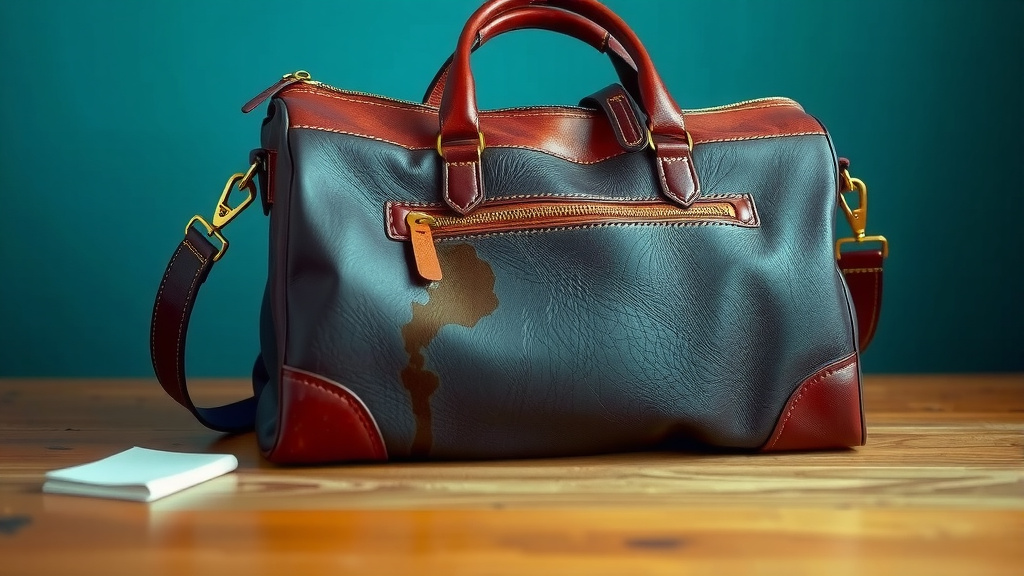
When DIY Isn’t Enough: Specialized Cleaners
For most everyday sticky messes, the soap and water method is usually sufficient. However, sometimes you might encounter a particularly tough or old residue. In these cases, you might need to consider a specialized leather cleaner. Many brands offer products specifically designed for leather.
Choosing a Leather Cleaner
When selecting a commercial cleaner, look for products that are labeled for the type of leather your bag is made from (e.g., finished, unfinished, suede). Always read the product’s instructions carefully. Many experts recommend starting with the gentlest option available. As with the DIY solution, always test the cleaner in a hidden spot first!
Using Commercial Leather Cleaners
Typically, you’ll apply a small amount of the cleaner to a soft cloth. Gently work it into the affected area. Follow the product’s specific instructions for wiping and rinsing. It’s crucial to ensure all cleaner residue is removed before moving on to conditioning.
The Essential Post-Cleaning Step: Conditioning
Cleaning, even with a mild solution, can strip some of the natural oils from your leather. This is why conditioning is absolutely vital after cleaning. It replenishes those lost oils and keeps the leather supple and protected. Think of it as giving your bag a spa treatment!
Why Conditioning Matters
Leather that isn’t conditioned can become dry, brittle, and prone to cracking. Conditioning helps maintain its flexibility and natural sheen. It also provides a protective barrier against future spills and damage. Many leather care guides stress the importance of regular conditioning for extending a bag’s lifespan (International Concierge).
How to Condition Your Bag
After your bag has completely air-dried from cleaning, apply a good quality leather conditioner. Put a small amount onto a clean, dry cloth. Gently rub the conditioner into the leather using a circular motion. Focus on the areas you cleaned, but it’s good to condition the entire bag for an even finish. Allow the conditioner to soak in for the time recommended by the product manufacturer. Buff off any excess with a clean cloth.
Quick Checklist for Sticky Bag Rescue
Here’s a quick rundown to help you rescue your sticky leather bag:
- Test First: Always test any cleaning solution on a hidden spot.
- Mild Solution: Start with gentle soap and lukewarm water.
- Damp, Not Wet: Use a well-wrung-out cloth to avoid over-wetting.
- Wipe Gently: Dab or wipe lightly; no harsh scrubbing.
- Rinse and Dry: Remove soap residue and let it air dry naturally.
- Condition Always: Follow up cleaning with a good leather conditioner.
Conclusion
Dealing with a sticky leather bag might seem daunting, but you now have the tools to tackle it. We’ve found that a gentle, DIY approach with mild soap and water is your safest bet for most sticky situations. Remember to always test your solution first and work with a light touch. Following up with a good leather conditioner is key to keeping your bag looking its best. So, grab your supplies and give your beloved bag the care it deserves to restore its smooth feel!
Frequently Asked Questions
What if the sticky residue is really old?
For very old or stubborn sticky spots, the mild soap and water method might need a bit more patience. You may need to repeat the gentle wiping process several times. If that doesn’t work, you might consider a specialized leather cleaner, always testing it in an inconspicuous area first.
Can I use rubbing alcohol to clean sticky leather?
We do not recommend using rubbing alcohol on your leather bag. While it might seem like a good solvent, rubbing alcohol can be too harsh. It can strip the leather’s natural oils, leading to dryness, cracking, or color damage. Stick to gentler methods.
How often should I condition my leather bag after cleaning?
It’s essential to condition your leather bag immediately after cleaning once it’s fully dry. After that, how often you condition depends on your climate and how often you use the bag. Generally, conditioning every 3-6 months is a good practice to maintain its suppleness.
My bag still feels a bit tacky after cleaning and conditioning. What now?
If your bag is still slightly tacky after cleaning and conditioning, it could be that too much conditioner was applied or it hasn’t fully absorbed. Try gently buffing the bag with a clean, dry cloth to remove any excess. Ensure the bag has had ample time to air dry completely before assessing the texture.
What kind of soap is best for cleaning sticky leather?
You should use a mild, pH-neutral soap. A few drops of a gentle dish soap or baby soap mixed with lukewarm water works well. Avoid harsh detergents or soaps with added moisturizers, as these can leave their own residue or negatively affect the leather finish.
![10 Best Lining For Leather Bags [2026]](https://mybestreviewss.com/wp-content/uploads/2026/08/10-best-lining-for-leather-bags-2026-featured-768x432.jpg)
![10 Best Leather Stand Golf Bag [2026]](https://mybestreviewss.com/wp-content/uploads/2026/09/10-best-leather-stand-golf-bag-2026-featured-768x432.jpg)