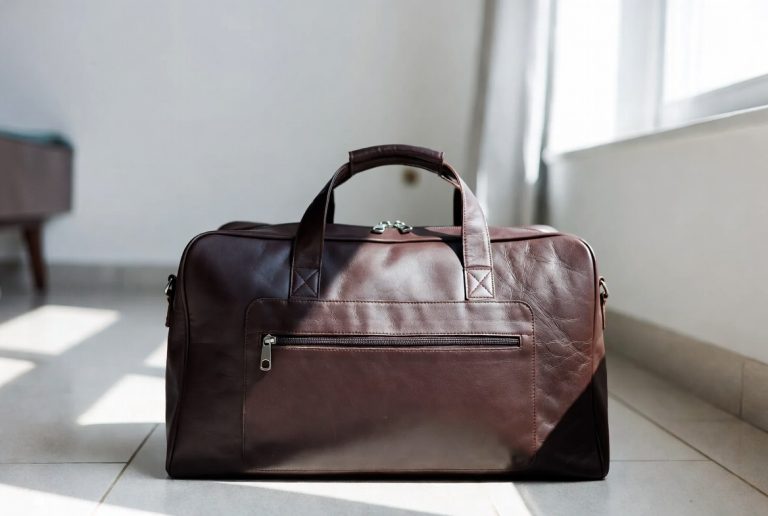
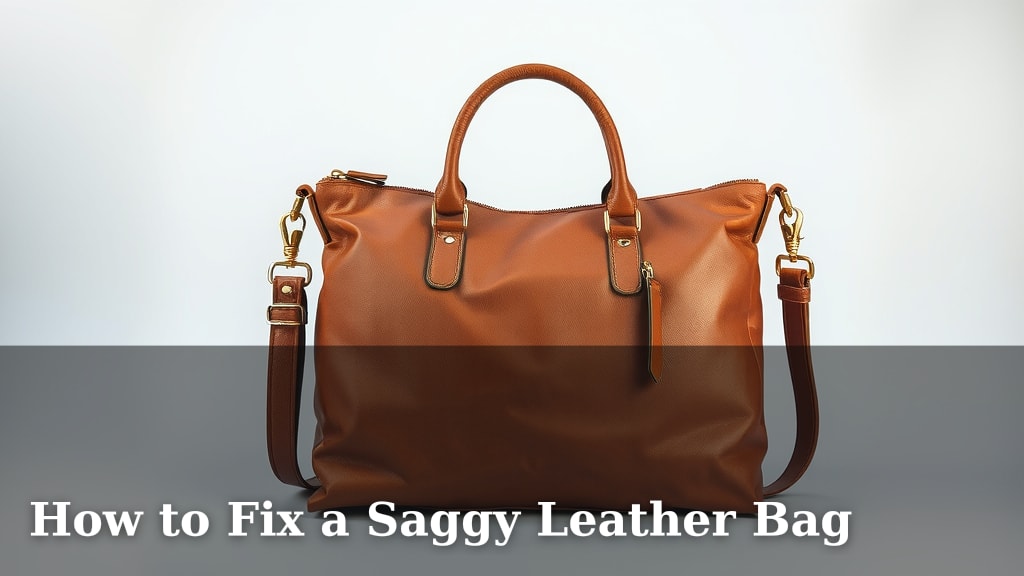
How to Fix a Saggy Leather Bag
Yes, you can absolutely fix a saggy leather bag. Often, the fix involves simple steps like stuffing the bag to restore its shape. You might also need to consider conditioning the leather. It’s usually not a permanent problem if addressed promptly.
A saggy bag can make your favorite accessory look tired. This often happens from overuse or improper storage. Learning to restore your bag’s structure can save it from being retired. Many people worry their bag is beyond repair, but this isn’t usually the case.
- Stuff your bag to help it regain its shape.
- Consider a good leather conditioner.
- Proper storage prevents future sagging.
- Small fixes can make a big difference.
Let’s walk through exactly how you can bring your favorite leather bag back to its former glory, step by step.
“`htmlRestoring Your Leather Bag’s Shape
Don’t let a saggy leather bag get you down. There are several effective ways to bring back its structure. You don’t need to be a leather expert to make a big difference. Many bags lose their shape due to being overstuffed or left empty for too long. The good news is that these issues are often reversible. You can revitalize your bag with a few simple techniques.
The Power of Stuffing
This is the first and most important step. Think of it like giving your bag a supportive pillow. When your bag is empty, the leather can relax and droop. Stuffing provides an internal structure. This gentle pressure helps the leather regain its intended form. It’s a low-effort, high-reward solution. Your bag will thank you for this!
What to Use for Stuffing
You want materials that are firm but not damaging. Avoid anything sharp that could puncture the lining. Good options include old t-shirts, towels, or linen fabric. You can also use bubble wrap or packing paper. Some people even use old newspapers, but be cautious of ink transfer. The goal is to fill the bag snugly. You want it to feel firm, but not strained or overstretched.
How to Stuff Effectively
Start by placing stuffing material at the bottom of your bag. Then, gradually fill the rest of the interior. Make sure to pack material into the corners. Pay attention to areas where the bag seems most collapsed. You want to create an even, supportive shape. Leave the bag stuffed for at least 24 to 48 hours. This gives the leather time to adapt to the new form. You might need to repeat this process a few times.
Re-establishing Leather Hydration
Leather is skin, and like our skin, it needs moisture. Dry leather becomes stiff and prone to losing its shape. A good conditioner can make a world of difference. It keeps the leather supple and pliable. This allows it to hold a structured form better. Think of it as moisturizing your bag.
Choosing the Right Conditioner
Look for a quality leather conditioner. Many products are specifically designed for handbags. Avoid conditioners with heavy oils or silicones. These can sometimes clog the leather’s pores. They might also leave a greasy residue. Always check the product label to ensure it’s suitable for your bag’s type of leather. If you’re unsure, a patch test on an inconspicuous area is wise.
The Conditioning Process
First, ensure your bag is clean and dry. If it’s dusty, gently wipe it down with a soft cloth. Apply a small amount of conditioner to a clean, soft cloth. Gently rub the conditioner into the leather using circular motions. Cover the entire exterior of the bag. Don’t forget the base and sides. Let the conditioner absorb for about 10-15 minutes. Then, buff off any excess with a clean, dry cloth. Allow the bag to air dry completely before stuffing or using it.
Addressing Specific Sagging Issues
Sometimes, the sagging isn’t uniform. Certain parts might droop more than others. You might need targeted approaches for these areas. This often depends on the bag’s construction and how it’s been used. You can often resolve these with careful stuffing and conditioning.
Handles and Straps
Drooping handles or straps can make a bag look worn out. Often, this is due to moisture or lack of use. If the straps are detachable, you can try stuffing them individually. Roll them up tightly and secure them with a soft tie. For attached straps, ensure they are well-supported when stuffing the main bag. Proper conditioning also helps them retain their shape.
The Base of the Bag
A sagging base is a common problem. This is where the most weight usually rests. Ensure you’re using firm stuffing material at the bottom. You can even use a flat, stiff insert if the bag’s base is particularly soft. Some people cut cardboard or firm plastic to fit the base precisely. This provides consistent support. Just make sure any insert is clean and won’t damage the lining.
Preventing Future Sagging
Once you’ve restored your bag’s shape, you’ll want to keep it that way. Good habits go a long way. Proper storage is key to maintaining your bag’s structure. Think of it as ongoing care.
Smart Storage Solutions
When you’re not using your bag, stuff it! This is the golden rule. Always store your bag with some form of stuffing inside. Use the same materials you used for repair. This prevents it from collapsing when empty. If possible, store your bag in its original dust bag. This protects it from dust and scratches. Avoid hanging heavy bags by their straps for long periods. This can stretch them out over time.
Mindful Usage Habits
Be mindful of what you put in your bag. Overstuffing can strain the leather and stitching. Try to distribute the weight evenly. If your bag is designed for lighter items, don’t overload it. Cleaning your bag regularly also helps. This removes dirt and oils that can degrade the leather. A clean, well-maintained bag will naturally hold its shape better.
Here’s a quick checklist to keep your bag looking its best:
- Always stuff your bag when not in use.
- Use clean, soft materials for stuffing.
- Apply leather conditioner periodically.
- Avoid overstuffing your bag.
- Store your bag in a dust bag.
- Handle straps with care.
Conclusion
Bringing your saggy leather bag back to life is totally achievable. You’ve learned that consistent stuffing is your best friend for restoring shape. Remember to also keep your leather happy and hydrated with a good conditioner. By adopting smart storage and usage habits, you can prevent future sagging. Your favorite bag can look fabulous again with these straightforward techniques. Now, go ahead and give your bag the TLC it deserves!
Frequently Asked Questions
How long should I stuff my leather bag to fix sagging?
You’ll want to stuff your bag for at least 24 to 48 hours initially. For stubborn sagging, you might need to repeat the stuffing process a few times. Patience is key here; allow the leather time to reshape.
Can I use any old clothes to stuff my bag?
Yes, clean, soft old clothes like t-shirts or towels work well. Just ensure they are completely dry and don’t have any sharp zippers or buttons that could damage the bag’s interior. Avoid anything with heavy dyes that could transfer.
What if my leather bag still looks saggy after stuffing and conditioning?
If sagging persists, you might need to add a firmer insert to the base of the bag. A custom-cut piece of sturdy cardboard or plastic can provide extra support. Reapply stuffing firmly and give it more time to adapt.
How often should I condition my leather bag?
The frequency of conditioning depends on your climate and how often you use the bag. Generally, conditioning every 3-6 months is a good practice. Watch for signs of dryness, like a dull appearance or stiffness.
Will stuffing stretch out my leather bag?
When done correctly with soft materials, stuffing should not stretch your bag. The goal is to provide gentle support to help it regain its intended shape. Avoid overstuffing to the point where the seams or zippers are strained.