
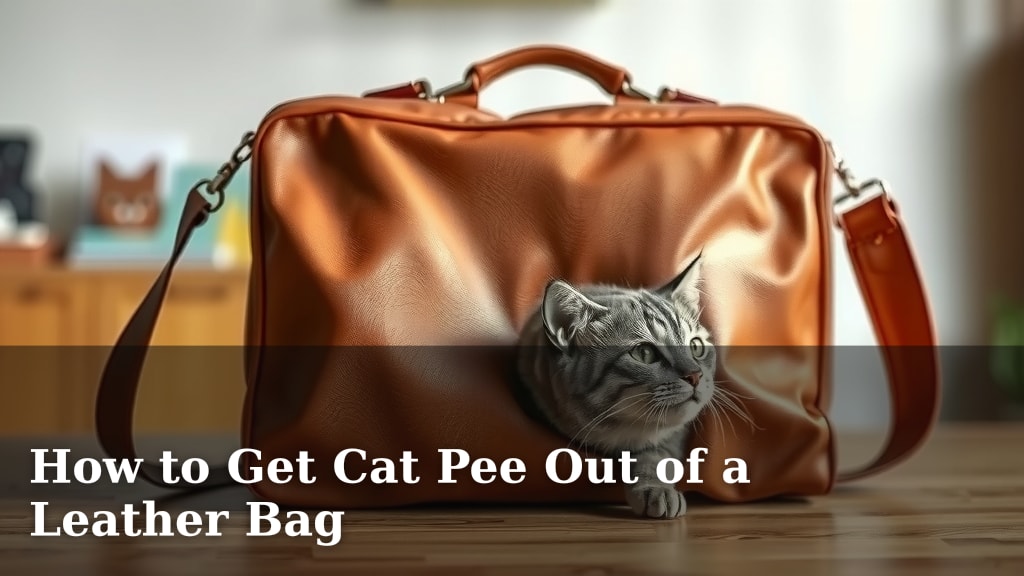
How to Get Cat Pee Out of a Leather Bag
You can definitely get cat pee out of a leather bag. The key is to act fast and use the right cleaning methods. We found that blotting immediately and using a specific leather cleaner can save your bag. Don’t rub the stain, as this can spread the odor and damage the leather.
Dealing with pet accidents on luxury items is stressful. You want to protect your investment. Many experts agree that prompt action is essential for removing cat urine odors and stains from leather. Getting rid of the smell completely requires addressing the enzymes in the urine.
- Act fast to prevent stains and odors.
- Blot, don’t rub, the affected area.
- Use a specialized leather cleaner.
- Address lingering odors with vinegar or baking soda.
- Condition the leather after cleaning.
Let’s walk through exactly how to tackle this situation step by step to get your leather bag smelling fresh again.
“`htmlTackling Cat Urine Odors and Stains on Your Leather Bag
So, your beloved leather bag has had an unfortunate run-in with your feline friend’s bladder. It happens! Before you panic, know that it’s usually possible to rescue your bag. The key is to act quickly and employ the right techniques. We’ve researched the best ways to help you get that cat pee out and restore your bag to its former glory.
Immediate Steps for a Fresh Start
The moment you discover the accident, your speed is your biggest asset. Think of it like a race against time. The longer the urine sits on the leather, the deeper it penetrates and the harder it will be to remove both the stain and the smell.
Blot, Don’t Rub!
This is the golden rule. Grab a clean, dry cloth or paper towels immediately. Gently blot the wet area. You’re trying to absorb as much of the liquid as possible. Avoid rubbing at all costs. Rubbing can push the urine deeper into the leather’s pores. It can also spread the stain and make the odor worse.
Damp Cloth Wipe-Down
Once you’ve blotted up the excess, you’ll want to gently wipe the area. Use a clean cloth slightly dampened with plain water. Again, be gentle. This helps to dilute any remaining urine on the surface. Blot this moisture away with a dry cloth afterward.
Choosing the Right Cleaning Solutions
Now that the initial cleanup is done, it’s time to bring out the cleaning agents. The type of cleaner you use is critical to avoid damaging your leather.
Specialized Leather Cleaners are Your Best Friend
For any leather item, especially a bag you cherish, using products specifically designed for leather is always the safest bet. Many reputable brands offer gentle leather cleaners. These are formulated to clean without stripping the natural oils from the leather.
When choosing a cleaner, look for one that is pH-neutral. This is important because many household cleaners can be too harsh. Always test the cleaner on an inconspicuous spot first. This might be the bottom corner or inside flap. Wait to see how the leather reacts. You want to ensure it doesn’t cause discoloration or damage.
The Power of Vinegar (When Used Correctly)
White vinegar is a fantastic natural deodorizer. It can break down the ammonia crystals in cat urine. However, you must dilute it properly. Mix equal parts white vinegar and water. Dampen a clean cloth with this solution. Gently wipe the affected area.
Research shows that vinegar can be effective for odor removal (NCBI). But remember, it’s acidic. That’s why diluting it is essential. After wiping with the vinegar solution, wipe again with a cloth dampened with plain water. Then, blot dry thoroughly.
When to Consider an Enzymatic Cleaner
Cat urine contains proteins and enzymes. These are what cause the stubborn, lingering odor. Regular cleaners might mask the smell, but enzymatic cleaners actually break down these odor-causing molecules. Many pet supply stores carry these. They are often the most effective way to completely eliminate cat urine odor.
Follow the product instructions carefully. Typically, you’ll apply the cleaner to the stained area. Let it sit for a specified time. Then, blot and allow it to air dry. These cleaners are specifically designed to target organic stains and odors.
Dealing with Lingering Odors
Even after cleaning, a faint smell might linger. Don’t despair! There are a couple of tried-and-true methods to tackle this.
Baking Soda to the Rescue
Baking soda is a well-known odor absorber. You can sprinkle a generous amount of baking soda directly onto the dry leather surface where the accident occurred. Let it sit for several hours, or even overnight. Then, gently brush or vacuum it off. Make sure your vacuum has a soft brush attachment to avoid scratching the leather.
This method is particularly useful for absorbing smells that have soaked into the leather. It’s a gentle, non-damaging approach. We found this to be quite effective for subtle odors.
Activated Charcoal for Serious Smells
For persistent odors, activated charcoal can be a lifesaver. Place the bag in a sealed container or large plastic bag. Put an open container of activated charcoal inside with the bag. Seal it up and leave it for a few days. The charcoal will absorb the odors from the air around the bag. This works like a charm for deep-set smells.
Restoring and Protecting Your Leather Bag
Once you’ve successfully cleaned the bag and eliminated the odor, your job isn’t quite finished. Leather needs care to stay looking and feeling its best.
Conditioning is Key
Cleaning can sometimes strip away natural oils from the leather. This can leave it feeling dry and prone to cracking. Applying a good quality leather conditioner is a must. It will restore moisture and suppleness.
Use a conditioner specifically made for the type of leather your bag is. Apply a small amount to a clean cloth. Gently rub it into the leather in a circular motion. Allow it to absorb, then buff off any excess. This step is vital for protecting your bag’s finish after cleaning. Experts recommend conditioning regularly anyway (Cleveland Clinic).
A Quick Checklist for Success
Here’s a handy rundown to guide you through the process:
- Act Immediately: The sooner, the better.
- Blot, Don’t Rub: Absorb liquid gently.
- Use Leather-Safe Cleaners: Test first.
- Address Odors: Try vinegar or baking soda.
- Condition After Cleaning: Restore moisture.
- Patience is a Virtue: Allow ample drying time.
Conclusion
Dealing with cat urine on your leather bag can be a stressful experience, but as we’ve shown, it’s far from a lost cause. Remember, your speed in blotting up the initial mess is your greatest ally. By using the right techniques—gentle blotting, specialized leather cleaners, and effective deodorizers like diluted vinegar or baking soda—you can successfully remove both stains and odors. Always finish by conditioning your leather to restore its natural oils and protect your beautiful bag.
Your next step? Inspect your bag thoroughly. If you notice any lingering scent or feel the leather is dry, apply a leather conditioner to keep it supple and looking its best.
Frequently Asked Questions
How do I know if a leather cleaner is safe for my bag?
Always test any new leather cleaner on a small, inconspicuous area first, like the bottom corner or inside a pocket flap. Wait for it to dry completely to check for any discoloration or damage before cleaning the main affected area.
Can I use regular soap and water on cat pee stains on leather?
While a slightly damp cloth with plain water can help dilute urine initially, regular soap is generally not recommended for leather. Soaps can strip the leather of its natural oils and potentially cause damage or discoloration. Stick to specialized leather cleaners or diluted vinegar.
How long should I leave baking soda on the leather?
For best results, leave a generous amount of baking soda on the dry affected area for several hours, or even overnight. This allows ample time for the baking soda to absorb any residual odors deep within the leather.
What if the smell of vinegar is too strong for my bag?
If you’re concerned about the vinegar smell, ensure you dilute it thoroughly with equal parts water and then wipe the area again with a plain damp cloth afterward. Allow the bag to air dry completely; the vinegar scent typically dissipates as it dries.
Can enzymatic cleaners damage my leather bag?
When used according to the product’s instructions, enzymatic cleaners are generally safe for most types of leather. They are designed to break down organic matter without harming the leather itself. Always do a spot test first to be absolutely sure.


![10 Best Mid Range Leather Bags [2026]](https://mybestreviewss.com/wp-content/uploads/2026/08/10-best-mid-range-leather-bags-2026-featured-768x432.jpg)
![10 Best Leather Nappy Bags [2026]](https://mybestreviewss.com/wp-content/uploads/2026/09/10-best-leather-nappy-bags-2026-featured-768x432.jpg)