Prevent Leather Bag Peeling: Your Ultimate Care Guide
You can keep your beautiful leather bags from peeling by using the right care products and avoiding harsh conditions. Many people think peeling is inevitable with age, but it’s often a sign that the leather needs better protection. Regular conditioning and proper storage are key steps to prevent this common issue.
When leather peels, it means the protective top coat is starting to break down. This can happen from exposure to sun, heat, or even just regular wear and tear. By understanding what causes peeling, you can take steps to preserve your bag’s finish and keep it looking great for years to come.
- Condition leather regularly.
- Avoid direct sunlight and extreme heat.
- Use a protective spray.
- Store bags properly when not in use.
Let’s walk through the best ways to protect your leather bags and keep them looking fantastic.
Caring for Your Leather Bags to Prevent Peeling
It’s frustrating when your favorite leather bag starts to show signs of peeling. You want to keep it looking its best. Fortunately, preventing peeling is quite achievable with the right approach. It all comes down to understanding what causes it and taking simple, consistent steps to protect your bag.
Peeling typically happens when the protective coating on the leather’s surface wears down. This exposes the material beneath to damage. Think of it like a clear coat on a car; once it’s gone, the paint underneath is more vulnerable. We’ve found that many common practices can actually accelerate this process if you’re not careful.
Understanding What Causes Leather Peeling
Several factors can contribute to your leather bag’s peeling. Being aware of these common culprits is the first step in prevention. You might be surprised at how often everyday exposure plays a role.
Environmental Factors
Harsh environmental conditions are major contributors to peeling. Direct sunlight is a prime example. Prolonged exposure to UV rays can dry out the leather and degrade its protective finish. This makes it brittle and prone to cracking and peeling. Heat is another enemy. Extreme temperatures, whether from direct sun or being left in a hot car, can damage the leather’s structure.
Humidity can also cause problems. Very dry air can lead to the leather drying out and becoming stiff, making it more susceptible to damage. Conversely, excessive moisture can lead to mold or mildew, which can weaken the leather and its finish over time. Many experts suggest avoiding these extremes to preserve the material.
Wear and Tear
Even with gentle use, everyday wear and tear can impact your bag. Constant friction from clothing, other objects, or even just where you place your bag can rub away the surface finish. Think about the corners of your bag; they often show the most wear. These areas are especially prone to losing their protective coating.
Accidental scuffs and scratches can also compromise the surface. While many minor marks can be buffed out, deeper scratches can break through the top layer. This creates an entry point for damage and can lead to peeling if not addressed properly. It’s like a small nick in your paint job; it can start to chip.
Improper Cleaning and Maintenance
Using the wrong cleaning products is a common mistake. Harsh chemicals, abrasive cleaners, or even excessive water can strip away the natural oils and protective coatings from the leather. Many household cleaners are not designed for delicate materials like leather. They can do more harm than good. We found that even some products marketed for leather can be too aggressive.
Another issue is neglecting cleaning altogether. Dirt and grime can build up on the surface. This can act like sandpaper over time, wearing down the finish. Dust particles can also attract moisture, leading to potential damage. Consistent, gentle cleaning is key.
Preventative Care for Your Leather Bags
Now that you know what causes peeling, let’s talk about how to stop it before it starts. These care steps are simple yet highly effective. They help maintain your bag’s beauty and longevity.
Regular Conditioning is Essential
Leather is skin, and like our skin, it needs moisture. Conditioning replenishes the natural oils in the leather. This keeps it supple and prevents it from drying out and becoming brittle. Dry leather is much more likely to crack and peel. Many leather care specialists recommend conditioning every 3-6 months, depending on the climate and use.
When you condition, choose a high-quality leather conditioner. Avoid products with petroleum distillates or silicone, as these can clog pores and damage the leather over time. Look for natural oils like mink oil, neatsfoot oil, or beeswax-based products. Always test a small, inconspicuous area first. This ensures it doesn’t alter the color or texture.
How to Condition Your Bag
First, ensure your bag is clean and dry. Gently wipe away any surface dust. Then, apply a small amount of conditioner to a soft, lint-free cloth. You don’t need a lot; a little goes a long way. Gently rub the conditioner into the leather in a circular motion. Pay attention to areas that seem drier or show signs of stress, like corners and edges.
Let the conditioner soak in for about 15-20 minutes. Then, buff off any excess with a clean, dry cloth. This step helps to restore the leather’s natural sheen. Over time, you’ll notice your bag feels softer and looks more vibrant. This process is similar to moisturizing your hands regularly.
Protect Against Environmental Damage
Think of your bag’s environment as you would your own skin. Just as you protect yourself from the sun, you should protect your bag. Avoid leaving it in direct sunlight for extended periods. If you’re going to be outdoors all day, consider carrying a different bag or keeping your leather bag in its dust cover or a tote bag.
Extreme heat is also damaging. Never leave your leather bag in a hot car. The temperatures inside a vehicle can soar, quickly drying out and potentially warping the leather. Store your bag in a cool, dry place away from radiators or heating vents. This helps maintain a stable temperature.
Use a Protective Spray or Sealant
Water and stain repellent sprays can offer an excellent first line of defense. These sprays create a barrier on the leather’s surface. This barrier helps repel water, prevent stains, and can offer some protection against minor scuffs. Many are specifically formulated for different types of leather, so choose wisely.
When applying a protective spray, always do so in a well-ventilated area. Follow the product instructions carefully. Typically, you’ll spray a light, even coat from about 6-8 inches away. Allow the bag to dry completely before use. We found that reapplying this protective layer every 6-12 months can significantly enhance its longevity. Research shows that these treatments help preserve the integrity of the topcoat (National Leathergoods Association).
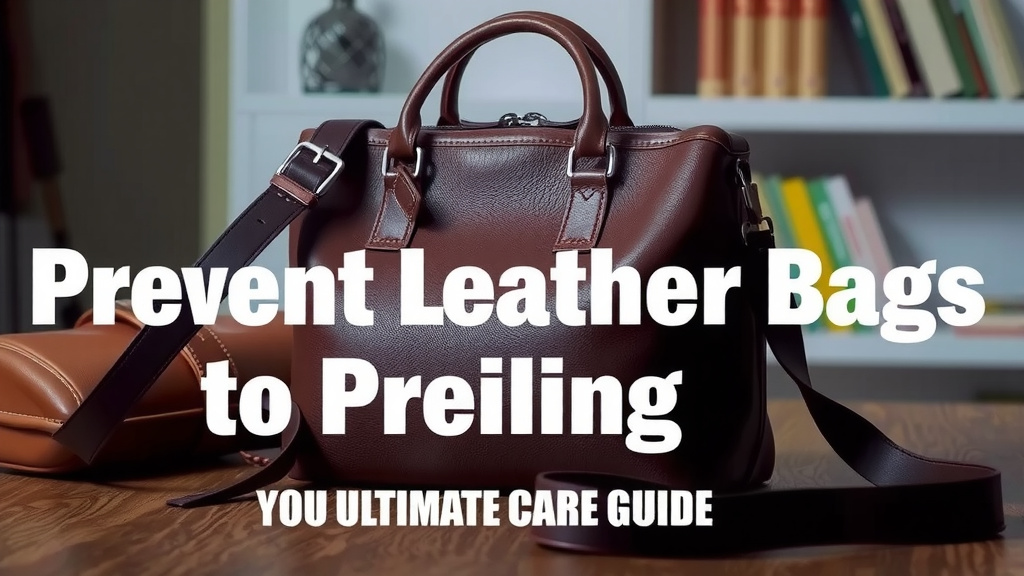
Proper Storage for Longevity
How you store your bag when you’re not using it plays a significant role in preventing damage and peeling. Proper storage isn’t just about keeping things tidy; it’s about preserving the leather’s condition.
Stuffing to Maintain Shape
When storing your bag, stuff it with acid-free tissue paper or a soft cloth. This helps the bag maintain its original shape. A bag that collapses or creases can develop stress points in the leather. These stress points can eventually lead to cracking and peeling. Think of it like keeping a hat in good condition; you don’t want it to get squashed.
Using Dust Bags
Always store your leather bag in its original dust bag or a breathable cotton pillowcase. These coverings protect the bag from dust, dirt, and scratches. Avoid plastic bags, as they can trap moisture and prevent the leather from breathing. This can lead to mildew or drying out, depending on the environment. The dust bag acts as a gentle shield.
Ideal Storage Location
Find a cool, dry place with good air circulation. Avoid storing leather bags in attics, basements, or garages where temperatures and humidity levels can fluctuate wildly. Closets are generally a good option, provided they aren’t overcrowded or damp. Hanging bags by their straps for long periods can stretch the straps or distort the bag’s structure, so shelf storage is often preferred.
Quick Checklist for Leather Bag Care
Here’s a quick recap of the most important steps to keep your leather bags looking their best:
- Condition your bag every 3-6 months.
- Avoid prolonged exposure to direct sunlight and heat.
- Use a quality protective spray annually.
- Clean your bag regularly with a soft cloth.
- Stuff your bag for storage to maintain its shape.
- Store bags in breathable dust bags in a cool, dry place.
Conclusion
Keeping your leather bags looking pristine and free from peeling is entirely achievable. You’ve learned that environmental factors like sun and heat, along with everyday wear and tear, can degrade the leather’s protective layer. By implementing a consistent care routine – regular conditioning, using protective sprays, and proper storage – you can significantly extend your bag’s lifespan. Think of these steps as giving your bag the consistent care it deserves.
Don’t let peeling diminish your favorite accessories. Start today by checking the condition of your bags and scheduling a conditioning session. Your bags will thank you for it!
Frequently Asked Questions
How often should I condition my leather bag?
You should aim to condition your leather bag every 3 to 6 months. This frequency can vary based on how often you use the bag and the climate you live in. More frequent use or drier climates may require conditioning a bit more often.
Can I use regular soap and water to clean my leather bag?
It’s best to avoid regular soap and water for cleaning. Harsh chemicals and excessive moisture can strip essential oils from the leather, leading to dryness and peeling. Opt for specialized leather cleaners or a slightly damp, soft cloth for routine dusting.
What’s the best way to store my leather bag when I’m not using it?
When storing your bag, stuff it with acid-free tissue paper or a soft cloth to maintain its shape. Always place it inside a breathable dust bag to protect it from dust and scratches. Avoid plastic bags, as they can trap moisture.
My bag has a small scuff mark. Will it peel?
A minor scuff mark usually won’t cause immediate peeling if addressed. Gently buff out small marks with a soft cloth or a specialized leather cleaner. Deeper scratches, however, can break the protective layer and may lead to peeling if not treated.
Are waterproof sprays effective for preventing leather peeling?
Yes, quality waterproof and stain-repellent sprays can offer good protection. They create a barrier against moisture and some minor abrasions, helping to preserve the leather’s finish. Reapply these sprays about once a year for continued effectiveness.
![10 Best Women'S Leather Bag Brands [2026]](https://mybestreviewss.com/wp-content/uploads/2026/08/10-best-women-s-leather-bag-brands-2026-featured-768x432.jpg)
![10 Best Leather Duffel Bag Brands [2026]](https://mybestreviewss.com/wp-content/uploads/2026/09/10-best-leather-duffel-bag-brands-2026-featured-768x432.jpg)