
Prevent Mold on Leather Bags: Your Ultimate Guide
To keep your favorite leather bags from molding, the key is managing their storage environment. You need to ensure they are stored in a cool, dry place and that they are completely dry before putting them away. This prevents the ideal conditions for mold to grow on the natural materials of your bag.
Mold on leather can be a real bummer, ruining the look and feel of your beloved accessory. Preventing it means understanding what mold loves: moisture and darkness. Many experts recommend good airflow and avoiding humid closets for long-term storage. Think of it like storing delicate food; you wouldn’t leave it out in the rain, right?
- Keep bags dry and clean before storing.
- Store in a cool, dry location with good air circulation.
- Avoid plastic bags; use breathable dust covers instead.
- Regularly check your stored bags for any signs of moisture.
Let’s get into the best practices that will keep your leather bags looking great and mold-free for years to come.
Guarding Your Leather Bags Against Mold
Mold on your favorite leather bag is a nightmare no one wants. You want to keep that bag looking beautiful. Preventing mold growth is totally achievable with a few smart steps. It all comes down to controlling the environment where you store your bags. We’ll walk you through the best ways to protect your investment.
Understanding Mold’s Favorite Hangouts
Mold loves specific conditions. It thrives in moisture and darkness. Your leather bags can become a breeding ground if these conditions are met. Think of mold as a tiny, uninvited guest who loves damp, dim apartments. Your goal is to make your bag’s storage space as uninviting as possible for this guest.
The Moisture Menace
Excess moisture is mold’s best friend. Leather is a natural material. It can absorb moisture from the air. High humidity is your enemy. Even small amounts of dampness left on the bag can start the problem. This is why drying your bag thoroughly is so important.
Darkness and Stagnation
Mold also loves places without much air movement. Dark closets and sealed containers are prime real estate. Stagnant air traps moisture. This creates the perfect humid microclimate for mold to grow. Good airflow is just as vital as dryness.
Pre-Storage Prep: Your First Line of Defense
Before you even think about putting your bag away, give it some attention. A little effort now saves a lot of trouble later. This step is often overlooked but is incredibly important for mold prevention.
Cleanliness is Key
Always clean your leather bag before storing it. Wipe down the exterior. Check for any spills or marks. If you’ve used the bag recently, it might have picked up dust or dirt. These particles can absorb moisture. They can also provide a food source for mold. Use a soft, dry cloth. For tougher spots, use a cleaner specifically made for leather. Always test a cleaner in an inconspicuous area first.
Ensure Complete Dryness
This cannot be stressed enough. Your bag must be bone dry. If it got wet, let it air dry completely. Do not use heat. Direct heat can damage the leather. Stuff the bag with plain paper. This helps it keep its shape. It also absorbs any residual moisture inside. Avoid newspaper. The ink can transfer onto the lining. Allow it to dry naturally away from sunlight or heat sources.
Smart Storage Solutions for Mold-Free Bags
Where and how you store your bags makes a huge difference. The right storage can prevent mold for years. The wrong kind can invite it in quickly. Think about creating a good environment for your bags.
Location, Location, Location!
Choose a storage spot wisely. Avoid basements, attics, and garages. These places often have fluctuating temperatures and high humidity. They are mold’s favorite places too. A climate-controlled room is ideal. A spare closet or a bedroom works well. The key is a **stable environment**. This means consistent temperature and low humidity.
Air Circulation is Your Friend
Good airflow prevents moisture buildup. Do not cram your bags together. Give them space. If they are packed tightly, air can’t circulate. This traps humidity. Store them upright or on shelves. Avoid stacking heavy items on top of them. This can also limit airflow.
The Great Dust Bag Debate
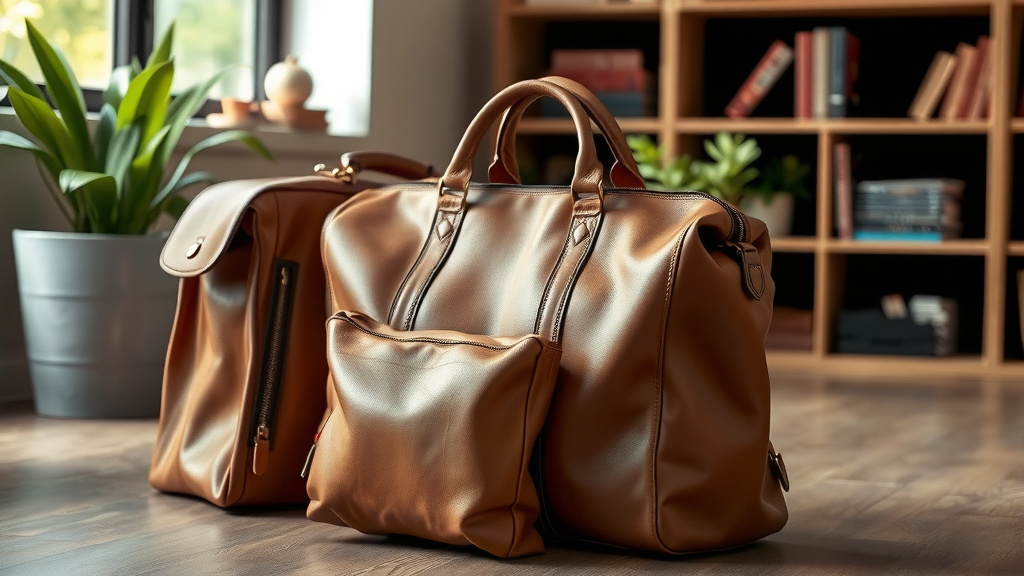
Many bags come with dust bags. These are usually made of cotton or felt. They are breathable. This is good! They protect your bag from dust. They also allow air to pass through. Never store leather bags in plastic bags. Plastic traps moisture. It creates a humid, stagnant environment. This is a mold paradise. Use the breathable dust bags that came with your bag. If you don’t have them, look for cotton or linen ones.
Stuffing for Shape and Dryness
We mentioned stuffing for drying. Continue this for storage. Use acid-free tissue paper or plain cotton fabric. This helps your bag maintain its shape. It also absorbs any stray moisture in the air. This is especially important for handbags with wider openings.
Maintaining a Mold-Free Storage Routine
Your work isn’t done once the bags are stored. A little regular maintenance goes a long way. Checking on your bags periodically is vital.
Regular Check-ups Are Essential
Every few months, take your bags out. Inspect them for any signs of mold or mildew. Look for fuzzy spots. Check for unusual odors. Feel the leather for any dampness. If you find anything, address it immediately. This is much easier than dealing with a full-blown mold infestation.
What to Do If You Spot Mold
Don’t panic! If you see a small amount of mold, you can often treat it. Wipe the affected area with a soft cloth dampened with a leather cleaner. Some experts suggest a solution of equal parts rubbing alcohol and water. Always test this in a hidden spot first. Ensure the bag is completely dry afterward. For severe mold, consult a professional leather cleaner.
Your Leather Bag Mold Prevention Checklist
Here’s a quick rundown to keep those mold spores away:
- Wipe down your bag before storing.
- Ensure the bag is completely dry.
- Store in a cool, dry location.
- Allow for good air circulation around bags.
- Use breathable dust bags, not plastic.
- Check your stored bags every few months.
Conclusion
You’ve learned how to protect your cherished leather bags from the menace of mold. Remember, the winning strategy is all about controlling the environment. Keeping bags dry, clean, and stored in a cool, well-ventilated area are your best defenses. Avoid dark, humid closets and plastic packaging at all costs. By implementing these simple yet effective habits, you ensure your leather accessories stay beautiful for years. Your next step is to take a quick inventory of your storage spots and make any necessary adjustments to create a mold-free haven for your bags.
Frequently Asked Questions
How often should I check my leather bags for mold?
It’s wise to inspect your stored leather bags at least every few months. This regular check-up allows you to catch any early signs of mold or dampness. Catching problems early makes them much easier to address.
Can I use a dehumidifier in the closet where I store my bags?
Yes, a dehumidifier can be very helpful if you live in a naturally humid area. Maintaining a consistently low humidity level in your storage space creates an unfavorable environment for mold growth.
What if my leather bag gets wet? How do I dry it properly?
Never use direct heat to dry a wet leather bag, as this can damage the material. Instead, gently blot excess water with a soft cloth. Then, stuff the bag with plain paper or cotton fabric and let it air dry naturally away from heat and sunlight.
Is it okay to store leather bags on shelves in a closet?
Storing leather bags on shelves is generally good, provided there’s enough space between them. Ensure they aren’t crammed together. This allows for necessary air circulation, which is key to preventing moisture buildup and mold.
What’s the best way to clean a leather bag before storing it long-term?
Before long-term storage, wipe down your bag with a soft, dry cloth. For any dirt or marks, use a cleaner specifically designed for leather, testing it on an inconspicuous area first. Always ensure the bag is completely dry after cleaning.
![10 Best Real Leather Bags [2026]](https://mybestreviewss.com/wp-content/uploads/2026/08/10-best-real-leather-bags-2026-featured-768x432.jpg)
![10 Best Leather Bags Mens [2026]](https://mybestreviewss.com/wp-content/uploads/2026/09/10-best-leather-bags-mens-2026-featured-768x432.jpg)