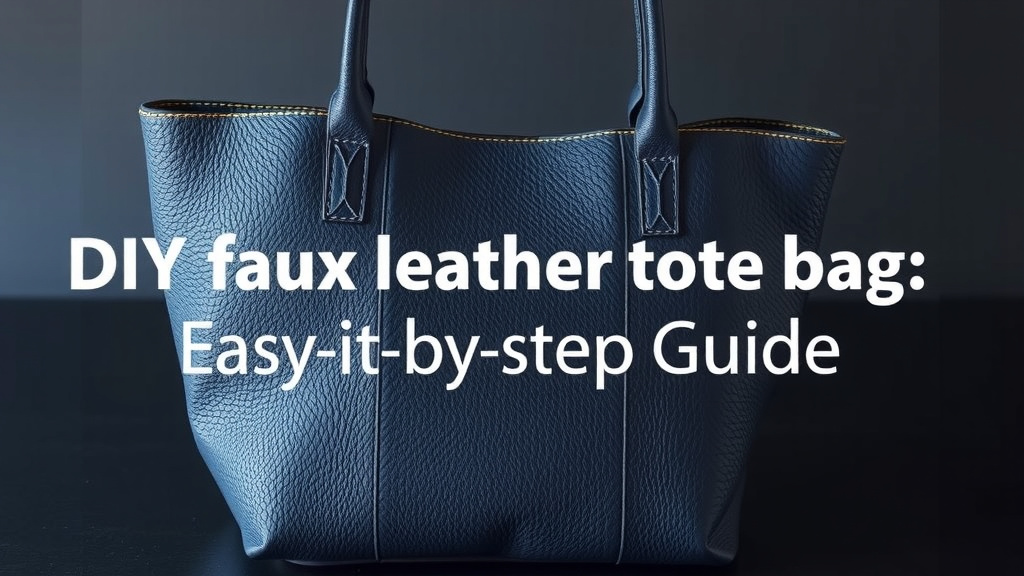
DIY Faux Leather Tote Bag: Easy Step-by-Step Guide
Making your own faux leather tote bag is totally doable! You’ll need some faux leather fabric, basic sewing supplies, and a pattern. It’s a fun project that lets you create a stylish and You’ll need some faux leather fabric; our guide to the best leather for making bags can help you choose.custom accessory you’ll love to carry.
This DIY project is a fantastic way to get a high-end look without the high-end price tag. We found that with a little patience, you can craft a durable and chic tote that’s perfect for everyday use. Plus, you get to choose your own colors and embellishments!
- Choose a faux leather fabric you love.
- Gather your sewing tools and a simple tote pattern.
- Cut out your fabric pieces carefully.
- Sew the pieces together following your pattern instructions.
- Add any finishing touches like pockets or straps.
Ready to get started? Let’s walk through exactly how to make your own fabulous faux leather tote bag, step by step.
Crafting Your Own Faux Leather Tote Bag
Ready to dive into making your very own chic faux leather tote? It’s a sewing project that feels luxurious but is surprisingly beginner-friendly. We’ve broken down the steps to help you create a stylish accessory you’ll be proud to carry. Let’s get your sewing machine humming!
Choosing Your Faux Leather Fabric
The fabric is where your tote bag truly comes to life. Think about the look and feel you want for your bag. Do you prefer a smooth, classic finish? Or maybe something with a bit more texture, like a pebble grain or crocodile print?
Types of Faux Leather to Consider
When you’re shopping for faux leather, you’ll find a few common types. Vinyl is a popular choice. It’s durable and often comes in a wide range of colors and finishes. Polyurethane (PU) is another great option. It tends to be softer and more flexible than vinyl, giving your bag a more supple feel. We found that PU often drapes beautifully, which is lovely for a tote.
What to Look for in Fabric Quality
Beyond the look, consider the fabric’s weight and drape. A medium-weight faux leather will be sturdy enough to hold its shape without being too stiff to sew. If it feels too thick, it might be difficult to get through your sewing machine needle. On the flip side, a fabric that’s too thin might not be durable enough for everyday use. We suggest looking for fabrics that have a good backing, like a soft woven material. This makes them easier to handle and prevents stretching.
Essential Sewing Supplies and Tools
Gathering all your supplies before you start is key to a smooth sewing experience. It prevents those frustrating moments of searching for a missing tool mid-project. Think of it like preparing your ingredients before cooking – everything is ready when you need it.
Your Sewing Machine and Needles
You’ll need a sewing machine capable of handling thicker fabrics. A standard home sewing machine should work, but make sure it has a strong motor. For needles, it’s best to use a leather needle or a heavy-duty needle. These are designed to pierce through tougher materials without breaking. We found that changing your needle before starting a new project is always a good idea to ensure it’s sharp and ready.
Thread and Cutting Tools
Use a strong thread, like a polyester or nylon thread. These threads have excellent tensile strength, which is important for a bag that will carry a lot. For cutting, you’ll need a sharp rotary cutter and a cutting mat, or very sharp fabric scissors. A rotary cutter often gives a cleaner, straighter line on faux leather, which is helpful for precise cuts.
Other Handy Notions
Don’t forget a seam ripper (just in case!), fabric clips (pins can leave permanent holes in faux leather, so clips are much better), and a good quality iron for pressing seams. You’ll also need a ruler or measuring tape. A tailor’s chalk or a fabric pen that can be easily wiped away is perfect for marking your fabric.
Preparing Your Faux Leather Tote Pattern
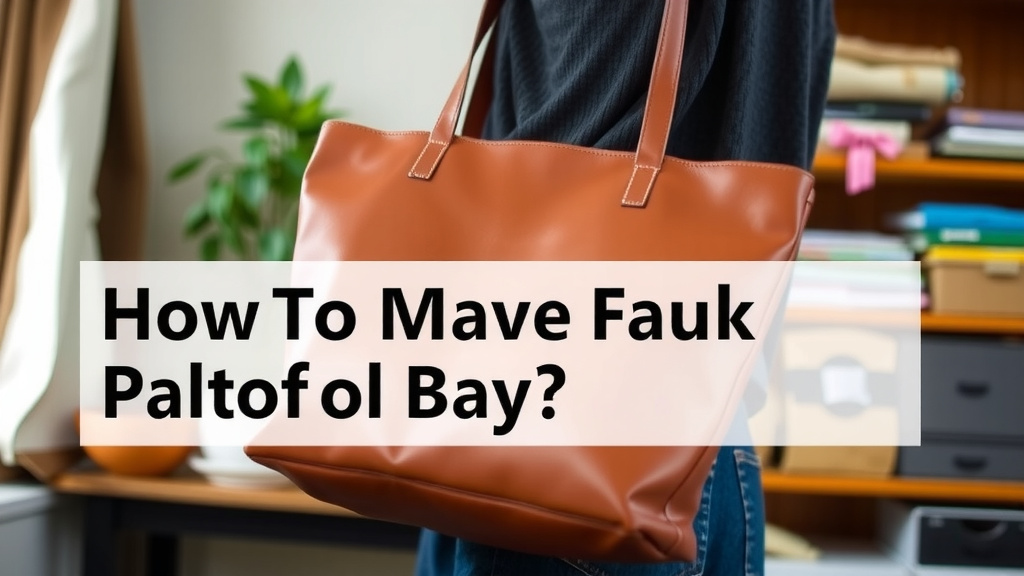
Most faux leather tote bag patterns are quite simple. You’ll typically be cutting out a few main pieces: a large rectangle for the body, and smaller pieces for the straps. Many patterns are available online, either for free or for purchase. You can also draft your own simple pattern if you’re feeling adventurous!
Understanding Your Pattern Pieces
Once you have your pattern, carefully read through all the instructions. Identify each piece and understand how they will come together. Some patterns might include lining pieces or pocket pieces, which add extra detail and functionality to your bag.
Cutting Your Fabric Accurately
Lay your faux leather fabric flat on your cutting mat. Place your pattern pieces on top, making sure to pay attention to the grainline if specified (though faux leather doesn’t really have a grain like woven fabric, it’s still good practice to align pattern pieces logically). Use your fabric clips to hold the pattern pieces in place. Then, carefully cut out each piece with your rotary cutter or sharp scissors. Precision here makes assembly much easier!
Sewing Your Faux Leather Tote Bag
This is where your bag starts to take shape! Sewing faux leather can be a little different from sewing cotton fabric, but with a few adjustments, you’ll be sewing like a pro.
Setting Up Your Sewing Machine
Before you stitch, test your machine on a scrap piece of your faux leather. Adjust your stitch length to a slightly longer setting, around 3.0-3.5 mm. Shorter stitches can perforate the faux leather too much, making it look like it’s tearing. You might also want to try using a walking foot if your machine has one. A walking foot helps feed the fabric evenly, preventing it from sticking or puckering. Make sure your top tension is also adjusted correctly – you don’t want it too tight.
Stitching the Main Bag Body
Following your pattern, start by sewing the side seams and the bottom seam of your main tote bag. Remember to use your fabric clips instead of pins. Align the raw edges carefully. Sew slowly and steadily. If you need to backstitch at the beginning or end of a seam, do so gently. We found that sewing a second line of stitching just inside the first can add extra reinforcement to these crucial seams.
Attaching the Straps
Your straps will likely be long rectangles that you’ll fold and stitch. Fold the long edges towards the center, then fold it in half again, encasing the raw edges. Stitch along both long sides for a neat finish. Then, position the straps on the top edge of your bag, following your pattern’s placement guides. You’ll typically stitch them securely in place, often with a box stitch for extra strength.
Finishing Touches and Optional Additions
Now for the fun part – adding those personal touches! You might want to add an interior pocket for your phone or keys. Many patterns include instructions for a simple slip pocket. You could also add decorative topstitching around the edges of the bag for a professional look. If your pattern includes a lining, now is the time to attach it, usually by sewing it to the top edge of the bag before the straps are fully secured.
Here’s a quick checklist to keep you on track:
- Double-check your pattern pieces are cut accurately.
- Test your stitch length and tension on a scrap piece.
- Use fabric clips instead of pins to avoid holes.
- Sew slowly and steadily, guiding the fabric gently.
- Reinforce stress points like strap attachments.
- Inspect your finished seams for a clean look.
Conclusion
You’ve learned how to transform a piece of faux leather into a stylish, custom tote bag! We walked through selecting the right fabric, gathering your essential sewing tools, and accurately preparing your pattern. Remember, patience is key when working with faux leather. With careful cutting and steady stitching, you’ll create a durable and chic accessory that looks professionally made. Your new faux leather tote is ready for daily adventures!
Now, grab your fabric and get started on your unique creation. Happy sewing!
Frequently Asked Questions
What is the best type of faux leather for a tote bag?
For a tote bag, we found that medium-weight faux leather, like PU or a good quality vinyl, works best. Look for a fabric with a soft backing as it’s easier to handle and sew. It should be sturdy enough to hold its shape but flexible enough to drape nicely.
Can I use regular sewing machine needles for faux leather?
No, it’s best to use a specialized leather needle or a heavy-duty needle. These needles are designed to pierce through thicker materials like faux leather without snagging or breaking. Using the correct needle will prevent skipped stitches and damage to your fabric.
Why should I use fabric clips instead of pins on faux leather?
Regular pins will leave permanent holes in faux leather. Fabric clips, on the other hand, hold your fabric layers together securely without puncturing them. We’ve found clips are essential for a clean, professional finish on faux leather projects.
How do I prevent my faux leather from sticking to my sewing machine?
If your faux leather is sticking, try using a walking foot attachment for your sewing machine. This helps feed the fabric evenly through the machine. You can also try placing a strip of tissue paper or a Teflon presser foot under and over the fabric as you sew. We found a walking foot makes a big difference.
What stitch length should I use for sewing faux leather?
For faux leather, you’ll want to use a slightly longer stitch length, typically between 3.0 and 3.5 mm. Shorter stitches can perforate the material, making it look like it’s tearing. Testing on a scrap piece first is always a good idea to find the perfect setting for your machine and fabric.
![10 Best Mens Leather Bag [2026]](https://mybestreviewss.com/wp-content/uploads/2026/08/10-best-mens-leather-bag-2026-featured-768x432.jpg)
![10 Best Luxury Leather Duffle Bag [2026]](https://mybestreviewss.com/wp-content/uploads/2026/08/10-best-luxury-leather-duffle-bag-2026-featured-768x432.jpg)
![10 Best Vegan Leather Crossbody Bag [2026]](https://mybestreviewss.com/wp-content/uploads/2026/08/10-best-vegan-leather-crossbody-bag-2026-featured-768x432.jpg)