
How to Tell if Your Bag is Real Leather: A Simple Guide
Figuring out if a bag is real leather can be tricky, but there are clear signs to look for. Genuine leather often has a unique, natural smell and a slightly irregular texture, unlike artificial materials. If it feels too perfect or smells like plastic, it’s likely not the real deal.
Many people want to know the difference between real and faux leather. We found that real leather ages beautifully, developing a patina over time, while synthetic materials tend to wear out more quickly. It’s important to know these key differences to make a wise purchase.
TL;DR:
- Real leather has a distinct, natural smell, not a chemical one.
- Check the texture for natural imperfections; perfect smoothness can be a red flag.
- Genuine leather feels flexible and slightly warm to the touch.
- Look for quality craftsmanship and a higher price point, often indicating real leather.
Ready to become a leather-detecting pro? Let’s walk through exactly how to tell if that stylish bag is made from authentic leather.
Spotting Authentic Leather Bags: Your Essential Guide
You’re looking at a bag, and you’re wondering if it’s the real deal. Is it genuine leather, or is it a clever imitation? We’ve all been there, wanting to make sure your purchase is worth it. Thankfully, there are several tell-tale signs you can use to check for real leather.
Think of it like this: your nose and your fingertips are your first best friends in this mission. Real leather has a certain aura about it. It’s not just about the look; it’s about the feel and even the scent. Let’s break down how you can become a leather-detecting whiz.
The Feel and Texture of Genuine Leather
When you touch real leather, it should feel different from synthetic materials. It has a certain suppleness and warmth that plastic simply can’t replicate. Brands often pride themselves on the feel of their genuine leather goods.
Flexibility and Warmth Test
Gently press your finger into the bag’s surface. If it’s real leather, you’ll notice it crease and wrinkle slightly. This movement is natural. Now, try holding your hand on the material for a minute. Real leather tends to absorb and hold a bit of warmth from your skin. Faux leather usually stays cool to the touch.
Surface Imperfections: A Good Sign
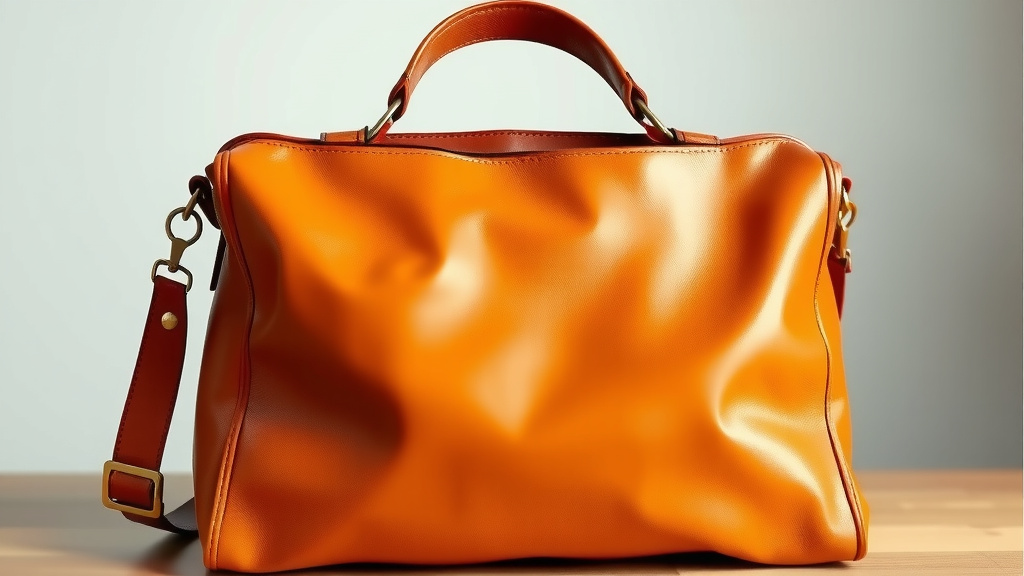
Look closely at the bag’s surface. Is it perfectly uniform? If so, it might be artificial. Real leather often has natural blemishes like small scars, wrinkles, or variations in grain pattern. These aren’t flaws; they’re proof of authenticity. Think of it like a fingerprint – no two pieces of real leather are exactly alike.
The All-Important Leather Scent
Your sense of smell can be a powerful tool here. Fake leather often smells strongly of chemicals or plastic. It’s an artificial, overpowering odor. Real leather has a distinct, natural, earthy aroma. It’s a smell that many people find quite pleasant and luxurious.
What to Expect from the Smell
If the bag smells like a new car or a chemical factory, be cautious. Genuine leather might have a slight odor when new, but it should be subtle and pleasant. We found that this scent is often described as rich or even slightly sweet. Over time, this natural smell deepens and improves.
Examining the Bag’s Construction and Details
Beyond the material itself, the way a bag is put together can tell you a lot. High-quality construction often goes hand-in-hand with real leather.
Stitching and Hardware Quality
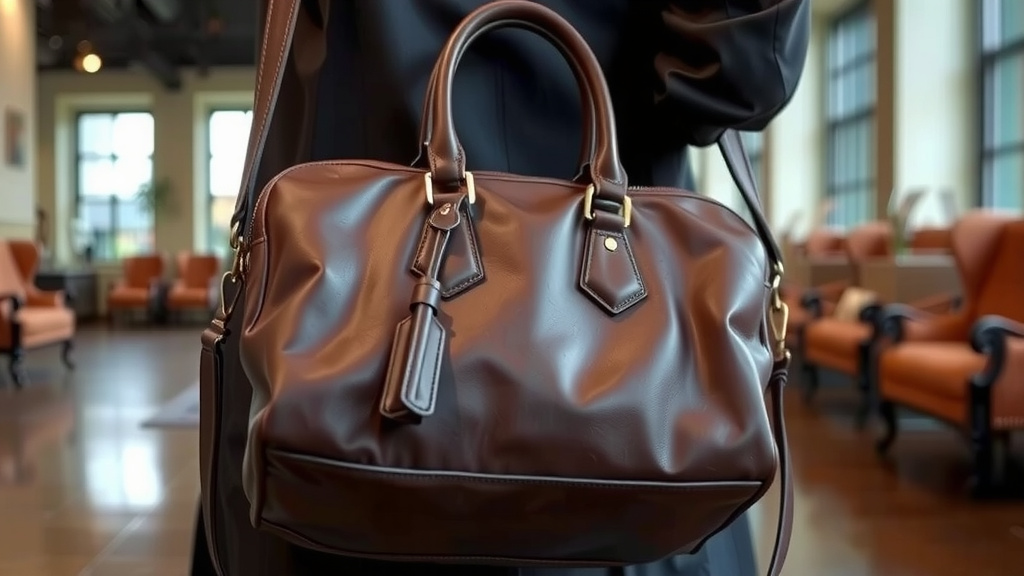
Real leather bags are typically made by skilled artisans. Look for neat, even stitching. The threads should be strong, and there shouldn’t be any loose ends. Similarly, the hardware – zippers, buckles, clasps – should feel substantial and well-attached. Cheap hardware can be a sign of a lower-quality product, which might also mean faux leather.
Edges and Finish
Pay attention to the edges of the leather panels. On a real leather bag, the edges might be slightly rough or unfinished, or they could be neatly painted. If the edges are perfectly smooth, sealed, and almost plastic-like, it could be an indicator of faux leather. We found that authentic leather often has a more organic edge.
Testing the Leather (When Possible)
Sometimes, you might have the opportunity to do a quick, gentle test to confirm the material. Always do this discreetly and without causing any damage.
The Water Drop Test
This is a classic test, but use it with caution. Place a tiny drop of water on an inconspicuous part of the bag. Real leather is porous and will absorb the water slowly, causing a slight darkening. Synthetic materials will cause the water to bead up and roll off. Many sources recommend this test for identifying genuine leather (e.g., leather care guides). Many sources recommend this test for identifying genuine leather, as detailed in various leather care guides.
Flexibility and Durability Signs
When you bend a piece of real leather, it should show natural creases. It should feel resilient. Faux leather might crease sharply or even crack over time. Authentic leather develops a beautiful patina as it ages, showing signs of wear that add character. This is something artificial materials cannot replicate.
Understanding Labels and Price Points
The information provided by the seller and the price itself can be strong indicators.
Reading the Labels Carefully
Look for terms like “full-grain leather,” “top-grain leather,” or “genuine leather.” These all indicate real leather. Be wary of labels that simply say “man-made materials,” “PU leather,” or “vegan leather” if you’re seeking authenticity. Many fashion industry experts agree that clear labeling is a sign of transparency.
The Price Factor
Let’s be honest, real leather isn’t cheap. It’s a natural material that requires significant processing. If a bag is priced exceptionally low, especially for a style that typically uses leather, it’s likely not the real thing. We’ve observed that a higher price point generally correlates with authentic leather quality.
Quick Checklist: Is It Real Leather?
Keep these points in mind the next time you’re shopping:
- Does it have a natural, slightly earthy smell?
- Does the surface have subtle imperfections or variations?
- Does it feel warm and flexible to the touch?
- Are the stitching and hardware high quality?
- Is the price point realistic for genuine leather?
Conclusion
You’re now equipped to spot genuine leather bags like a pro! Remember, it’s a combination of sensory clues: the natural smell, the unique feel and texture, and the tell-tale signs of quality construction. Don’t be afraid to trust your instincts and examine the details. By looking beyond the surface and understanding what authentic leather should be like, you can confidently choose a bag that will stand the test of time and develop a beautiful character. Happy shopping, and enjoy your beautiful, real leather find!
Frequently Asked Questions
What’s the quickest way to tell if a bag is real leather?
Your nose is often your best tool for a quick check. Authentic leather has a distinct, natural, and often earthy smell, unlike the chemical or plastic odor of faux leather. If it smells artificial, it’s likely not the real deal.
Can real leather have imperfections?
Absolutely! Real leather bags often display natural blemishes like small scars, wrinkles, or variations in grain. These aren’t flaws; they’re unique marks that prove the material’s authenticity and add character.
How does real leather feel compared to fake leather?
Genuine leather typically feels flexible, supple, and slightly warm to the touch as it absorbs your body heat. Faux leather, on the other hand, often feels cooler, stiffer, and less yielding.
What should I look for on the bag’s label if I’m unsure?
Look for terms like “full-grain leather,” “top-grain leather,” or “genuine leather.” Be wary of labels stating “man-made materials,” “PU leather,” or “vegan leather” if you are seeking authentic leather.
Is a higher price always an indicator of real leather?
Generally, yes. Authentic leather is a premium material that requires more resources to produce. If a bag is priced significantly lower than comparable leather items, it’s a strong signal that it might be made from synthetic materials.

![10 Best Leather Weekend Travel Bag [2026]](https://mybestreviewss.com/wp-content/uploads/2026/08/10-best-leather-weekend-travel-bag-2026-featured-768x432.jpg)
![10 Best Leather Golf Cart Bags [2026]](https://mybestreviewss.com/wp-content/uploads/2026/09/10-best-leather-golf-cart-bags-2026-featured-768x432.jpg)
![10 Best Leather Messenger Bag Under $200 [2026]](https://mybestreviewss.com/wp-content/uploads/2026/08/10-best-leather-messenger-bag-under-200-2026-featured-768x432.jpg)